Posted on

How to Safely Charge a Lead-Acid Battery with a Li-Ion Charger

How to Safely Charge a Lead-Acid Battery with a Li-Ion Charger

Charging a lead-acid battery using a Li-Ion charger is a topic of interest to many, especially those in the DIY community, automotive industry, and renewable energy sectors. While this might seem like an effective way to utilize available resources, it’s important to proceed with caution. The two types of batteries—lead-acid and lithium-ion (Li-Ion)—have different charging requirements and tolerances. Charging a lead-acid battery incorrectly can result in poor performance, reduced lifespan, or even hazardous situations such as fire or explosion.

Given the high stakes involved, it’s critical to understand the intricacies and risks. In this comprehensive article, we will explore the differences between lead-acid and Li-Ion batteries, the safety measures to consider, and provide a detailed, step-by-step guide on how you can safely accomplish the task.

Understanding Lead-Acid and Li-Ion Batteries: A Brief Overview

Before diving into the mechanics of charging, it’s essential to have a foundational understanding of the two types of batteries involved—lead-acid and Li-Ion.

Lead-Acid Batteries

Lead-acid batteries are one of the oldest types of rechargeable batteries, invented in 1859 by French physicist Gaston Planté. They are primarily used in automotive, industrial, and emergency power systems. These batteries consist of lead plates submerged in a sulfuric acid solution, and they generate electricity through a chemical reaction between the lead and acid.

Key Characteristics:

  • Voltage: Typically 12V or 6V
  • Charging Efficiency: Approximately 85%
  • Life Span: 3-15 years, depending on usage and maintenance
  • Cost: Generally cheaper than Li-Ion batteries

Li-Ion Batteries

Lithium-ion batteries, abbreviated as Li-Ion, are a more modern invention, initially commercialized by Sony in 1991. They are commonly used in consumer electronics like laptops, smartphones, and increasingly in electric vehicles.

Key Characteristics:

  • Voltage: Varies, but commonly 3.6V per cell
  • Charging Efficiency: Over 95%
  • Life Span: 2-7 years, depending on usage
  • Cost: More expensive than lead-acid batteries

Key Differences

  1. Chemistry: Lead-acid uses lead and sulfuric acid, while Li-Ion uses lithium compounds.
  2. Voltage: Lead-acid batteries usually have a higher voltage per unit.
  3. Efficiency: Li-Ion batteries are more energy-efficient.
  4. Charging Method: Li-Ion requires a constant current/constant voltage (CC/CV) method, whereas lead-acid uses constant voltage or pulsed charging.

Understanding these differences is crucial when considering using a Li-Ion charger for a lead-acid battery. The differing chemical makeups and charging requirements can lead to complications if not adequately managed.
How to Safely Charge a Lead-Acid Battery with a Li-Ion Charger

Risks Involved in Charging a Lead-Acid Battery with a Li-Ion Charger

Navigating the landscape of battery charging involves risk, especially when you’re attempting to charge a lead-acid battery with a Li-Ion charger. Both types of batteries have specific charging parameters that need to be respected for safety and optimal performance. Failing to do so can lead to a host of issues, some of which can be hazardous.

Key Risks

  1. Overcharging: Li-Ion chargers are generally designed to deliver a higher charging efficiency, and they might not automatically cut off when a lead-acid battery reaches full capacity. Overcharging a lead-acid battery can cause heat buildup, leading to swelling, leakage, or even an explosion.
  2. Undercharging: If the charger doesn’t deliver enough current or voltage, the lead-acid battery may end up undercharged. This can severely impact its lifespan and performance.
  3. Voltage Fluctuations: Li-Ion chargers might not provide the constant voltage levels that lead-acid batteries require, leading to unstable performance.
  4. Chemical Reactions: Incorrect charging methods can trigger unwanted chemical reactions in the lead-acid battery, producing hazardous gases like hydrogen, which can be explosive under certain conditions.
  5. Thermal Runaway: This is a dangerous condition where the battery temperature rises uncontrollably, causing internal or even external damage.

Legal and Warranty Concerns

Using a Li-Ion charger for a lead-acid battery is likely a violation of the warranty terms and conditions for both the battery and the charger. This could leave you with no option for replacement or repair should something go wrong.

Expert Opinions

Renowned battery experts, such as Dr. John Goodenough, who was instrumental in the development of the Li-Ion battery, have cautioned against using chargers interchangeably. The unique charging profiles for each battery type are based on years of research and should not be dismissed lightly.

Precautions to Take Before Charging

If you are considering using a Li-Ion charger to charge a lead-acid battery, taking precautions is non-negotiable. Despite the risks outlined in the previous chapter, certain measures can mitigate these risks to an extent. Here’s how to proceed with caution:

Equipment Check

  1. Voltage Compatibility: Verify that the Li-Ion charger can deliver the required voltage for the lead-acid battery.
  2. Current Rating: Ensure the charger’s current rating falls within the safe charging range of the lead-acid battery.
  3. Safety Features: Look for Li-Ion chargers that offer adjustable charging profiles and safety cut-offs.

Environmental Precautions

  1. Ventilation: Always charge in a well-ventilated area to dissipate any potentially hazardous gases.
  2. Temperature: Make sure the ambient temperature is within the safe operating range for both battery types, usually between 50°F and 85°F (10°C to 29°C).
  3. Fire Safety: Have fire safety equipment, such as a fire extinguisher designed for electrical fires, readily available.

Personal Safety

  1. Protective Gear: Wear safety glasses and gloves to protect yourself from acid and any potential splatters or sparks.
  2. Isolation: Keep the area clear of pets and children.

Pre-Charging Steps

  1. Inspect the Battery: Check for visible damage, leaks, or swelling. If any of these signs are present, do not proceed with charging.
  2. Consult Manuals: Refer to the user manuals of both the battery and charger to understand their specific charging requirements and safety measures.
  3. Expert Advice: If possible, consult with professionals or certified electricians who have experience in this area.

Taking these precautions can help in reducing the likelihood of a dangerous situation or equipment damage. But remember, there’s no way to entirely eliminate the risk involved in using a Li-Ion charger for a lead-acid battery.

Step-by-Step Guide to Safely Charge a Lead-Acid Battery with a Li-Ion Charger

By now, you’re aware of the risks and precautions involved in using a Li-Ion charger for a lead-acid battery. If you’ve decided to go ahead, this step-by-step guide aims to provide you with a procedural approach to minimize risks and optimize performance.

Equipment You Will Need

  1. Li-Ion charger with adjustable voltage and current settings
  2. Lead-acid battery
  3. Multimeter for voltage and current measurement
  4. Safety glasses and gloves
  5. Fire extinguisher suitable for electrical fires

Steps to Follow

Step 1: Initial Safety Preparations

Put on your safety gear and ensure that you are in a well-ventilated area. Make sure your fire extinguisher is within arm’s reach.

Step 2: Inspect the Battery

Inspect the lead-acid battery for any visible damage, leaks, or swelling. If you notice any of these, abandon the charging process immediately.

Step 3: Configure the Charger

Adjust the Li-Ion charger to the voltage and current settings appropriate for your specific lead-acid battery, as per its manual or specification sheet.

Step 4: Connect the Multimeter

Attach the multimeter to the battery terminals to keep real-time tabs on voltage and current. This will help you make quick adjustments if needed.

Step 5: Initiate Charging

Connect the Li-Ion charger to the lead-acid battery terminals, ensuring the correct polarity (positive to positive, negative to negative).

Step 6: Monitor the Process

Keep an eye on the multimeter and the battery. If you notice any sudden spikes in voltage or other anomalies, disconnect the charger immediately.

Step 7: Time Management

Charging time varies depending on the battery’s capacity and the charger’s output. Keep track of the time to avoid overcharging.

Step 8: Termination

Once the battery has reached its full charge or you’ve reached the maximum safe charging time, disconnect the charger.

Step 9: Post-Charging Inspection

After disconnecting, inspect the battery for any signs of damage or overheating. Let it sit for at least 15 minutes to stabilize before use.

Step 10: Store Safely

Store both the battery and charger in a cool, dry place away from direct sunlight and flammable materials.

By adhering to these steps and continually monitoring the charging process, you mitigate some of the risks involved in using a Li-Ion charger for a lead-acid battery. However, remember that this method is not endorsed by battery or charger manufacturers and should only be employed as a last resort.
How to Safely Charge a Lead-Acid Battery with a Li-Ion Charger

Frequently Asked Questions

Charging a lead-acid battery with a Li-Ion charger raises a lot of questions. This FAQ section aims to address some of the most commonly asked questions to offer further clarity and guidance.

Q1: Can I Charge Any Lead-Acid Battery with Any Li-Ion Charger?

Answer: No, not all lead-acid batteries and Li-Ion chargers are compatible. You need to check voltage and current compatibility, along with safety features, before proceeding.

Q2: Is it Safe to Leave the Battery Charging Unattended?

Answer: Given the risks involved, it is strongly advised not to leave the battery unattended during the charging process.

Q3: Can I Use This Method for Regular Charging?

Answer: This method is not recommended for regular use. It’s more of a stopgap measure and doesn’t align with best practices for battery maintenance.

Q4: Will This Method Impact My Battery’s Lifespan?

Answer: Using a Li-Ion charger on a lead-acid battery may lead to undercharging or overcharging, which can adversely affect the battery’s lifespan.

Q5: What are the Signs of Successful or Unsuccessful Charging?

Answer: A successfully charged lead-acid battery should hold a stable voltage, usually around 12.6V to 12.8V for a 12V battery. Signs of unsuccessful charging include swelling, heating, and voltage instability.

Q6: Is This Method More Efficient?

Answer: While Li-Ion chargers are generally more efficient, the risk factors and potential for damaging the lead-acid battery outweigh any efficiency gains.

Q7: Can This Method Be Used in an Emergency?

Answer: It can be used as a last resort in emergency situations, but only if you adhere to the precautions and steps outlined in this article.

Q8: What if My Li-Ion Charger Doesn’t Have Adjustable Settings?

Answer: If your Li-Ion charger doesn’t allow you to adjust voltage and current settings, it’s strongly advised not to proceed with this method.

By understanding the answers to these frequently asked questions, you arm yourself with the additional knowledge needed to make an informed decision about whether or not to proceed with charging a lead-acid battery using a Li-Ion charger.

Expert Opinions and Final Recommendations

The subject of charging a lead-acid battery with a Li-Ion charger is fraught with both technical and safety challenges. Consulting experts in the field can offer additional insights that go beyond the conventional wisdom.

Academic Perspectives

Prominent researchers in the field of electrochemistry have frequently warned against the interchangeability of chargers for different battery types. The unique chemical makeup, voltage requirements, and charge-discharge cycles of each battery type are crafted through years of scientific research.

Industry Stance

Companies specializing in battery manufacturing also discourage the practice. They invest heavily in developing specialized chargers that are optimized for each battery type’s characteristics. Using a charger not designed for your battery type can void the warranty and lead to hazardous situations.

Final Recommendations

  1. Default to Manufacturer Guidelines: Always stick to the charger designed for your specific battery type whenever possible.
  2. Emergency Measures: Only consider using a Li-Ion charger as a last-resort measure and adhere strictly to the precautions and steps outlined earlier.
  3. Consult an Expert: If you’re uncertain, seek the advice of professionals or certified electricians familiar with both battery types.

By understanding the technical intricacies and associated risks, as well as acknowledging the expert opinions, you can make an informed decision regarding the charging of a lead-acid battery with a Li-Ion charger. Given the associated risks and complexities, it’s clear that this method should only be used in exceptional circumstances and with extreme caution.


Posted on

How Many Watts Is Your Phone Charger Really?

How Many Watts Is Your Phone Charger Really?

With the rapid evolution of smartphones comes an equally dynamic landscape of charging technologies. The charger you use significantly influences how quickly your phone regains its battery life and even the longevity of the battery itself. Hence, understanding the wattage of your phone charger is more than just trivia—it’s essential knowledge for anyone relying on a mobile device.

In this comprehensive guide, we delve into the intricacies of electrical power and its role in phone charging. By the end, you’ll grasp the true importance of charger wattages and how they impact your day-to-day life. This knowledge allows you to make informed decisions when choosing a charger, maximizing both speed and battery health.

Join us as we explore the varying wattages of phone chargers across different brands, the marvel of fast charging technology, and tips for making an informed purchase. Along the way, we’ll answer some of the most frequently asked questions about this subject, providing you with the expertise to navigate this seemingly complex topic.

Understanding Electrical Power: What Are Watts?

Before we dive into the wattages specific to phone chargers, it’s crucial to understand what “wattage” fundamentally means. The watt (W) is the unit of electrical power, named after Scottish engineer James Watt. This unit is used to quantify the rate at which energy is used or produced.

Voltage, Current, and Power

Electrical power is a result of two factors: voltage (V) and current (A). The relationship between these variables can be summed up with the simple formula:

Power (Watts)=Voltage (Volts)×Current (Amperes)

For example, a typical smartphone charger might offer 5V of voltage and 2A of current, leading to a power output of 10W.

AC vs. DC Power

Another vital distinction is between Alternating Current (AC) and Direct Current (DC). AC is what comes from your wall outlet, while DC is what your devices use. A phone charger acts as a converter between these two types of electrical flow. This conversion is also a factor in the overall efficiency of your charger.

The Role of Resistance

The last variable to consider is resistance, measured in ohms (Ω). Resistance can affect how efficiently electricity flows from your charger to your phone. Higher resistance generally means slower charging, while lower resistance allows for more efficient power transfer.

By understanding these fundamental principles, you’re better equipped to appreciate the nuances of different charger wattages. Not all watts are created equal, and your charger’s efficiency plays a significant role in how quickly and safely your phone regains its battery life.

How Many Watts Is Your Phone Charger Really?

The Evolution of Phone Chargers

From the bulky, slow chargers of early mobile phones to today’s sleek, fast-charging powerhouses, phone chargers have seen a remarkable evolution over the years. Understanding this history provides context for the various wattages available today.

The Early Days: Low Wattage and Slow Charging

In the late ’90s and early 2000s, mobile phone chargers were often less than 5 watts. Battery capacities were also smaller, but these chargers took a considerable amount of time to recharge a phone fully.

The Rise of the USB Standard

The introduction of the Universal Serial Bus (USB) standard was a game-changer. Initially used primarily for data transfer, USB soon became the go-to interface for charging as well. The original USB 1.0 offered 2.5W of power, while USB 2.0 increased this to 4.5W.

USB-C and Fast Charging

With the introduction of USB-C, the power capabilities took a significant leap forward. USB-C can theoretically deliver up to 100W of power, although most phone chargers use far less. Nowadays, it’s common to see phone chargers ranging from 18W to 65W, enabling incredibly fast charging times.

Proprietary Charging Technologies

Some manufacturers have developed their own fast-charging technologies, often exceeding standard USB-C capabilities. For instance, OnePlus’s Warp Charge 65 promises to charge compatible phones to 58% in just 15 minutes, utilizing a 65W charger.

The Advent of Wireless Charging

Wireless chargers have also made strides, although their wattages are generally lower than wired solutions. The Qi standard, the most popular wireless charging technology, can deliver up to 15W, although many devices limit this to 5W or 10W for safety and longevity reasons.

By grasping the historical context of phone charger evolution, you can better appreciate the range of wattages available today. Different chargers are tailored to different needs, and what may be a blazing-fast charger today could become outdated in just a few years.

USB, Lightning, and Other Connectors: How They Influence Power Output

Connectors are more than just the physical ends that plug into your phone and the power source; they significantly influence the wattage your charger can deliver. Here, we will break down the most common types of connectors and how they correlate with power output.

USB-A

USB-A is the classic, rectangular-shaped USB port that’s ubiquitous in older computers and various consumer electronics. While convenient and widespread, it’s limited in its power delivery. Standard USB-A ports generally offer up to 12W of power, sufficient for slow-to-moderate charging speeds.

USB-C

USB-C is the small, reversible connector that’s becoming a standard for modern devices. Not only can it transfer data more quickly than USB-A, but it also supports significantly higher power levels—up to 100W under the USB Power Delivery (PD) standard. This makes it ideal for fast charging, provided both the charger and phone support it.

Lightning

Exclusive to Apple devices, the Lightning connector is a proprietary technology with an 8-pin design. While it doesn’t offer the same high wattages as USB-C, it’s still capable of delivering a respectable 18W to 20W when using the right power adapter.

Micro-USB

This connector was once common in Android smartphones but is becoming increasingly rare in newer models. While generally similar to USB-A in terms of power delivery, it’s less versatile and has been largely supplanted by USB-C.

Proprietary Connectors

Some manufacturers use their own, specialized connectors to deliver fast charging speeds that exceed standard specifications. For example, some of OnePlus’s earlier models used the Dash Charge system, relying on a proprietary cable and adapter to deliver speeds of up to 20W.

Compatibility Is Key

It’s essential to note that both the phone and the charger must support the same standards for you to take advantage of higher wattages. If one of the devices does not support fast charging, the system will default to the lowest common denominator.

Understanding the types of connectors and their limitations can help you make an informed decision when choosing a charger. Your choice will depend on your specific needs, whether it’s maximum speed, versatility, or something else entirely.

Popular Smartphone Brands and Their Typical Charger Wattages

Each smartphone brand has its own approach to charging technology, and understanding these differences is key when seeking a charger that’s compatible with your device. Below, we examine some popular brands and the typical wattages of their chargers.

Apple iPhone

Apple’s iPhones generally have modest charging needs compared to some Android devices. The iPhone 11 and earlier models came with a 5W charger, but newer models like the iPhone 12 and 13 can utilize up to a 20W charger for faster charging. However, it’s worth noting that Apple no longer includes a charger in the box, so you’ll need to purchase one separately if you don’t already have one.

Samsung Galaxy

Samsung has embraced fast charging quite aggressively. Most recent Galaxy devices support at least 25W charging, and the Galaxy S21 Ultra can utilize up to 45W. Samsung also includes a 25W charger in the box, which provides a reasonable balance between speed and battery health.

OnePlus

OnePlus is known for its Warp Charge technology, allowing incredibly fast charging speeds. The OnePlus 9, for example, comes with a 65W charger that can get the phone from 1% to 100% in about 29 minutes. It’s a standout feature for those who want their phones charged as quickly as possible.

Google Pixel

Google’s Pixel phones have been more conservative in their charging technology. The Pixel 5, for instance, comes with an 18W USB-C charger. However, the Pixel 6 series introduced 30W charging, a noticeable bump in speed.

Xiaomi

Xiaomi has also been pushing the envelope with high-wattage chargers. Their Mi 11 Ultra supports 67W wired charging, which is among the fastest you’ll find in a mainstream phone today.

Huawei

Huawei’s SuperCharge technology is another contender in the fast-charging arena. Recent Huawei models like the P40 Pro support up to 40W charging, offering a full charge in less than an hour.

Understanding the charging capabilities of different brands allows you to make an informed decision, ensuring you’re not short-changing your device’s charging potential. Remember, using a higher-wattage charger than your phone can handle won’t speed up the process; it will simply default to the highest wattage that the phone can accept.

Fast Charging Technology: How Does It Work?

Fast charging has become a crucial selling point for modern smartphones. But how does this technology achieve such impressive charging speeds? Understanding the underlying mechanics can help you choose a charger that aligns with your specific needs.

Basics of Fast Charging

Fast charging doesn’t merely imply a high-wattage charger; it’s a combination of software and hardware optimizations that enable quicker energy transfer. Typically, fast charging technologies either increase the current or adjust the voltage dynamically to allow more power to flow into the battery.

Types of Fast Charging

Here’s a quick look at some popular fast charging technologies:

  1. Qualcomm Quick Charge: This widely-used method focuses on increasing the voltage rather than the current, allowing devices to reach up to 18W or even higher for compatible devices.
  2. USB Power Delivery (PD): This open standard can deliver up to 100W and is becoming increasingly popular due to its flexibility. It’s commonly used in Apple’s latest iPhones and Google Pixel devices.
  3. OnePlus Warp Charge: This proprietary technology combines high current and voltage to deliver speeds of up to 65W for specific OnePlus models.
  4. Samsung Super Fast Charging: Utilizing both USB PD and its proprietary methods, Samsung’s fast charging can deliver up to 45W on compatible devices.

Voltage and Current Regulation

Fast charging technologies often employ dynamic voltage and current regulation. This means the charger and phone communicate to determine the optimal power transfer rates, depending on the battery’s current state. Initially, the power transfer is at its peak, which decreases as the battery gets closer to full capacity to preserve battery health.

Safety Measures

High-speed charging comes with the need for robust safety mechanisms, including overheat protection and voltage regulation. These systems are vital for preventing battery damage and ensuring longevity.

Compatibility

Remember, to benefit from fast charging, both the phone and the charger must support the same technology. If either component isn’t compatible, the charging will default to standard speeds.

Fast charging is a complex interplay of various technologies, each with its own set of pros and cons. Whether you prioritize charging speed, safety, or versatility will influence which type of fast charging is best for you.

Impact on Battery Health: Is Faster Always Better?

While fast charging has undoubtedly revolutionized the way we use our devices, there are concerns about its impact on battery longevity. In this chapter, we’ll explore how different charging speeds can affect your smartphone’s battery health over time.

The Stress Factor

Batteries operate based on chemical reactions, and these reactions can be stressed by higher temperatures. Fast charging, particularly the kind that significantly boosts voltage or current, can cause batteries to heat up more than slower, standard charging. Over time, this can degrade the battery’s overall lifespan.

The 80% Rule

Many experts recommend charging your battery up to only 80% to prolong its health. While this isn’t always practical for everyday use, some phones offer a feature that limits charging to this level. This practice aims to reduce the stress put on the battery and is especially beneficial when using fast chargers.

Adaptive Charging Technology

Some modern smartphones employ adaptive charging algorithms that adjust charging speed based on various factors like the current battery level, temperature, and even your daily charging habits. For example, if your phone detects it’s being charged overnight, it may slow down the charging process, reaching full capacity just before you wake up.

Balancing Speed and Health

While it’s tempting to always use the fastest charger available, alternating between fast and slow charging might be beneficial for battery health. Slow charging is generally less stressful for the battery and could extend its longevity, even if just marginally.

Battery Replacement and Environmental Impact

Faster degradation of batteries not only affects you but also has an environmental impact. Batteries contain materials that are hazardous to dispose of, and frequent replacements contribute to electronic waste.

The Manufacturer’s Take

It’s worth noting that manufacturers design their fast charging technology to be as safe as possible for their specific devices. However, if you’re concerned about long-term battery health, consult your device’s manual or support page for best practices.

The quest for faster charging should also include a consideration of its long-term impact on battery health. By making informed choices and possibly employing a mix of fast and slow charging, you can enjoy the benefits of quick power-ups without sacrificing the longevity of your device’s battery.

Making an Informed Choice: Tips for Selecting the Right Charger

You’re armed with knowledge about wattages, connectors, fast charging technologies, and even the impact on battery health. Now, how do you go about choosing the right charger for your needs? Here are some essential tips.

Compatibility First

Check your phone’s specifications to determine which chargers are compatible. Not all fast chargers work with all devices, so make sure the one you’re considering aligns with your phone’s capabilities.

Consider Your Usage Habits

If you’re someone who often forgets to charge your phone and finds yourself needing a quick boost regularly, a high-wattage fast charger may be ideal for you. Conversely, if you charge your phone overnight, a moderate or slow charger could suffice and possibly be better for long-term battery health.

Look for Reputable Brands

Stick to well-known brands or those that come highly recommended. Off-brand chargers can be tempting due to their lower prices, but they often don’t meet safety standards and could damage your phone or its battery.

Read Reviews and Ratings

Online reviews and ratings can provide a wealth of information. Look for reviews that discuss longevity, speed, and any potential issues like overheating.

Check for Safety Features

Safety features such as overheat, overcharge, and surge protection are vital, especially for high-wattage fast chargers. These features can prevent damage to your phone and its battery.

Versatility and Multiple Ports

If you have multiple devices, you might want to consider a charger with multiple ports and varying power outputs. Some modern chargers offer a mix of USB-A, USB-C, and even Lightning ports, accommodating a range of devices.

Warranty and Customer Support

Having a good warranty can save you from headaches down the line. Additionally, responsive customer support is invaluable if you encounter any issues or have questions about optimal usage.

Choosing the right charger is more than just picking the one with the highest wattage. It’s about aligning the charger’s capabilities with your device’s needs, your usage habits, and ensuring safety and reliability. With these tips, you’re well on your way to making an informed choice that balances speed, safety, and longevity.

Conclusion: Powering Your Life Smartly

You’ve journeyed through the world of phone chargers, from understanding wattages and connectors to exploring fast charging technologies and their impact on battery health. You’ve also garnered tips for making an informed purchasing decision. But what’s the takeaway from all of this?

Informed Choices

Knowledge is power, quite literally, when it comes to choosing a phone charger. An informed decision can lead to a better charging experience, prolong your phone’s battery life, and even contribute to environmental sustainability by reducing electronic waste.

Adapt to Your Needs

Your lifestyle, your device’s capabilities, and even your commitment to environmental sustainability all play roles in determining what kind of charger best suits you. Whether you need a quick power-up during a busy day or prefer a slow overnight charge, there’s a suitable option for everyone.

Prioritize Safety and Quality

While it’s tempting to go for cheaper, off-brand options, remember that a good-quality charger is an investment. Prioritizing safety features and choosing reputable brands can save you from potential hazards and long-term costs associated with battery replacements.

Future Trends

As technology evolves, so will our charging options. From wireless charging to even more rapid charging technologies, the landscape is continually changing. Staying informed will help you adapt to new trends and make the most of emerging technologies.

Final Thoughts

Selecting a phone charger is no longer a simple task; it’s a decision that impacts your daily life and the longevity of your devices. But with the knowledge you’ve gained, you’re now well-equipped to make an informed choice that balances your needs for speed, safety, and sustainability.

Thank you for joining me on this comprehensive exploration of phone chargers. May your device always be as charged as you need it to be, and may you power your life smartly and efficiently.

FAQs

What is the average wattage of a phone charger?

The wattage can vary widely depending on the brand and model, but standard chargers often range from 5W to 18W. Fast chargers can go up to 65W or more.

Does a higher-wattage charger charge my phone faster?

Yes, higher-wattage chargers generally charge phones faster, but both the charger and phone must support the same fast-charging technology to maximize speed.

Is fast charging bad for my phone’s battery?

While convenient, frequent use of fast charging can generate heat and stress the battery, potentially reducing its lifespan over time.

Can I use any charger with my phone?

It’s important to use a charger that’s compatible with your phone to ensure efficient and safe charging. Check your device’s specifications for compatibility.

What are some reputable brands for phone chargers?

Some reputable brands include Apple, Samsung, Anker, Belkin, and Aukey. Always opt for well-reviewed and trusted brands to ensure safety and performance.

Posted on

The Complete Guide to Clothing Sample Development

The Complete Guide to Clothing Sample Development

The fashion industry thrives on creativity, innovation, and attention to detail. Yet behind the glitz and glamour lies a laborious and highly technical process—the development of a clothing sample. This fundamental stage lays the groundwork for all subsequent manufacturing efforts, translating a designer’s vision into a tangible, wearable product. By delving into the intricate stages of the clothing sample development process, this article aims to enlighten both aspiring fashion designers and seasoned industry professionals. Understanding this process is not just a theoretical exercise; it’s a practical necessity. A well-executed sample can serve as a cornerstone for brand success, influencing everything from production scalability to overall quality.

Given the significance of sample development, it is crucial to dissect each component carefully. Over the next chapters, we will explore ideation, material sourcing, pattern development, sewing and assembly, prototyping, and the final stages that bring a clothing sample to life. Whether you’re an aspiring designer, a fashion business owner, or just someone intrigued by the behind-the-scenes mechanics of fashion, this comprehensive guide aims to provide a detailed look into the art and science of clothing sample development.

Ideation and Conceptualization

The Importance of a Vision

In any creative endeavor, the first spark is often the vision—an image or concept that serves as the blueprint for the final product. In the realm of fashion design, this vision is crucial because it shapes every subsequent stage of sample development. Your vision sets the tone, guiding decisions on materials, cuts, and colors. Without a clear concept, you’re navigating without a compass, which is both time-consuming and financially risky.

Role of Mood Boards and Sketches

Before jumping into material sourcing or pattern development, designers often create mood boards. These visual collages can include anything from fabric swatches to pictures that evoke a certain emotion or aesthetic. It’s a tangible representation of your vision and serves as a reference point for everyone involved in the project. Following the mood board, a series of sketches further refines the concept. These sketches can be rudimentary or detailed, but their purpose is the same: to translate your vision into a form that others can understand and contribute to.

Sketches and mood boards serve dual purposes. First, they help consolidate a designer’s own thoughts, refining abstract ideas into concrete plans. Second, they communicate this vision to others—be it the team of tailors who will sew the sample or potential investors who need to visualize the end product.

In sum, the ideation and conceptualization stage is where dreams begin their transformation into reality. The better you execute this stage, the smoother the entire sample development process will be.

The Complete Guide to Clothing Sample Development

Material Sourcing

Identifying Suitable Materials

Once the concept is clear, the next logical step is to identify the materials that will bring your vision to life. This involves more than just choosing a fabric that looks good; designers must consider factors like durability, comfort, and cost. A luxurious silk may be perfect for a high-end evening gown but wholly inappropriate for a line of activewear. Material selection can make or break your sample, influencing both its quality and its production costs.

Ethical Considerations

In today’s eco-conscious world, the ethical sourcing of materials is becoming increasingly important. Customers are asking more questions about where their clothing comes from and how it’s made. As such, designers are under growing pressure to source materials responsibly. This can involve using organic fabrics, ensuring humane labor practices, or even utilizing innovative, sustainable materials like mushroom leather. Ethical sourcing isn’t just good for the planet; it’s also becoming a selling point that can set your brand apart in a crowded market.

Navigating the maze of material sourcing is both an art and a science. The choices made here can resonate throughout the entire sample development process and, eventually, the commercial viability of the clothing line.

Pattern Development

Introduction to Pattern Making

After defining the vision and securing the right materials, the next significant milestone in the clothing sample development process is pattern development. A pattern serves as the architectural blueprint for each piece of clothing. It provides precise instructions on cutting the fabric and assembling the various pieces. Simply put, an excellent pattern is instrumental in transforming your sketch into a wearable item.

Significance of Accurate Patterns

The importance of an accurate pattern cannot be overstated. Errors in this phase can lead to a host of problems down the line, from ill-fitting garments to waste of valuable materials. Highly skilled pattern makers use specialized software or traditional methods to create these patterns, and often both. They factor in allowances for seams and hems and may produce multiple versions for different sizes. As the intermediary between design and production, the pattern is a pivotal element that sets the stage for the sample’s quality.

Sewing and Assembly

Process of Turning Designs into a Physical Item

Once the pattern is prepared, the actual sewing and assembly of the prototype begin. Skilled tailors or seamstresses follow the pattern to cut the fabric and sew it together. The focus here is on meticulous craftsmanship, as even minor deviations can alter the garment’s fit, comfort, and overall look. Though this phase can be labor-intensive, it’s also where the designer sees their concept materialize into a physical form for the first time—a rewarding experience, to say the least.

Quality Control Steps

Even the most skillful assembly is subject to human error, making quality control imperative. As each component is assembled, checks must be in place to ensure the garment meets all design specifications. This involves everything from measuring seams to double-checking the material alignment. The aim is to catch and rectify any issues before they become too costly or time-consuming to address.

Sewing and assembly are the heart of the sample development process, where concept becomes reality. The quality control measures installed in this stage act as safeguards, ensuring that the finished sample is not only aesthetically pleasing but also meticulously crafted.

The Complete Guide to Clothing Sample Development

Prototyping

Importance of the Prototype Stage

The prototype serves as the first full realization of your design. It’s a crucial component in the sample development process, offering a tangible model for review and refinement. Think of the prototype as your first draft; it’s a working model that represents the vision but is not yet the final product.

Usual Iterations and Feedback Loops

Once the prototype is complete, it undergoes a series of evaluations. These can include wear tests, fit tests, and aesthetic reviews. Changes are almost always necessary, leading to iterations. Feedback is gathered from a variety of sources: designers, product managers, and even potential consumers. These feedback loops are essential for refining the prototype, helping to identify design flaws, material weaknesses, or manufacturing challenges.

Prototyping is an iterative and evolving process. The ability to embrace change and adapt is key to successfully moving from a prototype to a final sample that’s ready for mass production.

Testing and Quality Assurance

Testing Durability and Comfort

Once satisfied with a prototype, rigorous testing begins. These tests can include durability assessments like stretch tests, abrasion tests, and even wash-and-wear evaluations. The goal is to ascertain how the garment will perform under real-world conditions, thereby ensuring it meets both designer expectations and consumer needs.

Fit Models and Alterations

Another facet of quality assurance involves fit testing, often using fit models who represent the brand’s target demographic. These sessions provide invaluable insights into the garment’s comfort, sizing, and overall wearability. Fit tests can result in minor adjustments to the pattern or, occasionally, more significant design alterations.

Quality assurance is a non-negotiable stage in sample development. It verifies that the sample not only looks good but will also stand up to the practical demands of everyday wear.

Final Sample

What Constitutes a ‘Final Sample’

Once the prototype has been tested, adjusted, and re-tested, a ‘final sample’ is produced. This version is the one that gets approved for mass production. It serves as the definitive model for the production line, capturing every nuance, from stitch types to fabric choices.

Preparing for Mass Production

The final sample sets the standard for bulk manufacturing. It’s the template that factories will use to produce each unit, and it becomes a touchstone for quality control. Before moving to mass production, all details, including cost estimations and timeline projections, are finalized.

The final sample is the culmination of a rigorous, often challenging process. It encapsulates the vision, craftsmanship, and practical considerations that have been honed over multiple stages.

Challenges and Pitfalls

Common Challenges in Sample Development

While the process of sample development may seem linear, it’s often fraught with challenges. These can range from technical issues like pattern inaccuracies or material shortages to broader complications like timeline delays or budget overruns. Experienced designers know that flexibility and problem-solving are essential skills for navigating this complex process.

Strategies for Overcoming Challenges

Some effective strategies to overcome challenges include early-stage prototyping to identify issues sooner, constant communication among team members, and involving skilled artisans and technicians who can offer solutions. If you encounter material limitations, for instance, early identification allows you to seek alternatives without derailing the entire project.

Understanding the common pitfalls in sample development can prepare you to face them head-on, turning potential setbacks into opportunities for refinement and growth.

The Complete Guide to Clothing Sample Development

Conclusion

Summary of Key Takeaways

The sample development process is the linchpin in turning fashion concepts into sellable products. Every stage, from ideation to the final sample, is an integral part of this intricate process. By focusing on each component—be it material sourcing, prototyping, or quality assurance—you can ensure that the end product aligns with your initial vision and meets market standards.

Next Steps for Interested Readers

Whether you’re an aspiring designer, a seasoned fashion industry professional, or simply someone intrigued by the process, there’s always more to learn. Many fashion schools offer specialized courses in sample development, while workshops and online resources can provide additional insights. The more you understand about this crucial process, the better equipped you’ll be to participate in—or even revolutionize—the ever-evolving world of fashion.

Posted on

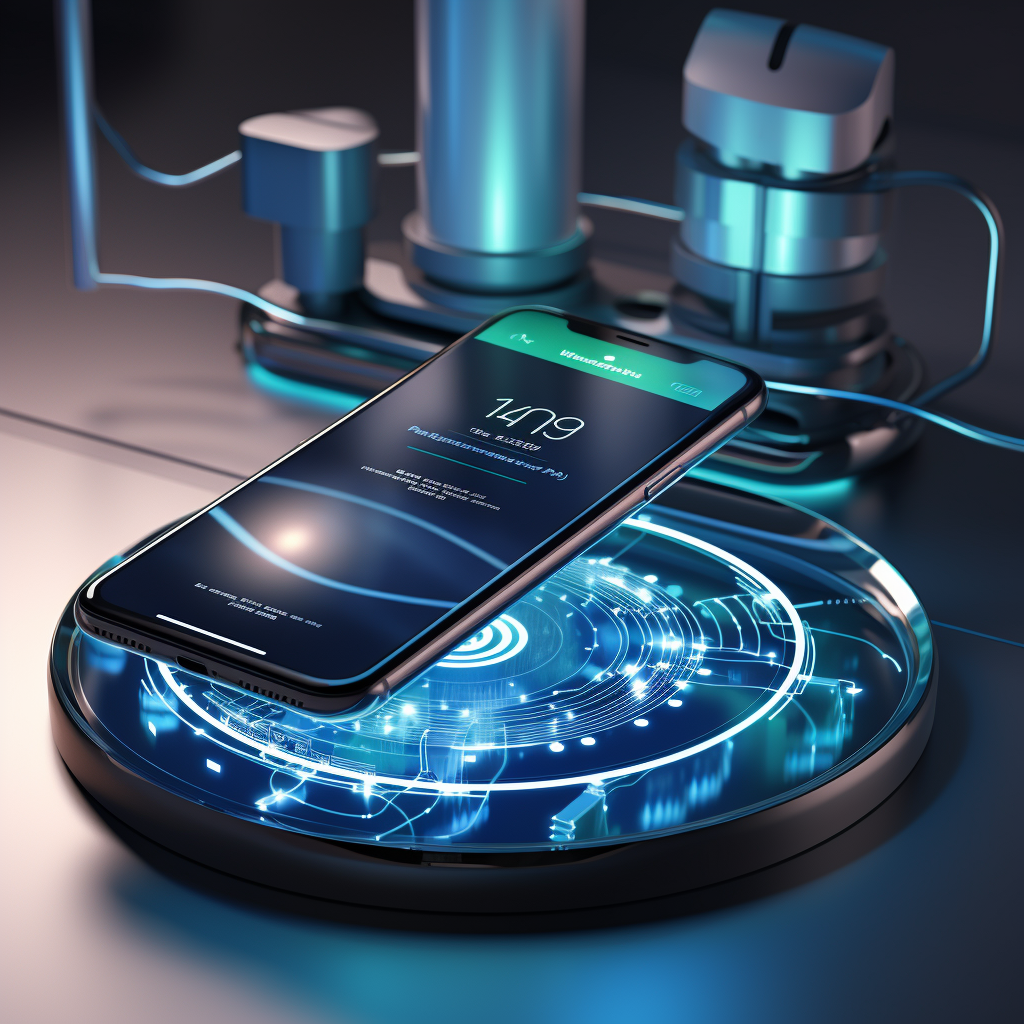
Inductive Charging: How It Works, Pros, Cons, and Future Trends

Inductive Charging: How It Works, Pros, Cons, and Future Trends

Inductive charging, also known as wireless charging, has become an increasingly popular method of charging various electronic devices, from smartphones to electric vehicles. The concept, which relies on the principles of electromagnetic induction, has been around for decades but has only recently gained widespread attention due to advancements in technology and the ever-growing demand for convenience.

At its core, inductive charging involves the transfer of energy between two objects without a physical connection, eliminating the need for cables and plugs. This technology holds the potential to revolutionize the way we charge our devices, offering a seamless and hassle-free experience. But, like any other technology, inductive charging comes with its own set of advantages and disadvantages.

Understanding Inductive Charging

Inductive charging is a form of wireless charging technology that relies on the principle of electromagnetic induction. The basic idea behind this technology is to transfer energy between two objects without any physical connection, using electromagnetic fields. This concept has been used in various applications, from electric toothbrushes to smartphone charging pads and electric vehicle charging stations.

Inductive Charging: How It Works, Pros, Cons, and Future Trends

How Does Inductive Charging Work?

The process of inductive charging involves two main components: a transmitter (or charging pad) and a receiver (or device being charged). These two components must be in close proximity for the charging process to occur. Here is a step-by-step explanation of how inductive charging works:

  1. Electromagnetic Induction: The transmitter contains a coil of wire connected to a power source. When an electric current flows through this coil, it generates an electromagnetic field around it.
  2. Energy Transfer: The receiver also contains a coil of wire. When it is placed near the transmitter’s electromagnetic field, an electric current is induced in the receiver’s coil due to the phenomenon of electromagnetic induction.
  3. Conversion to DC: The induced current in the receiver’s coil is alternating current (AC). However, most electronic devices use direct current (DC) for power. Therefore, the receiver converts the AC into DC using a rectifier.
  4. Charging the Device: The converted DC current is then used to charge the device’s battery.

Key Components Involved

  1. Transmitter Coil: This is a coil of wire located in the charging pad or station. It generates an electromagnetic field when connected to a power source.
  2. Receiver Coil: This coil is located in the device being charged. It captures the energy from the electromagnetic field and converts it into an electric current.
  3. Rectifier: This component, found in the receiver, converts the induced alternating current into direct current, suitable for charging the device’s battery.
  4. Control Circuitry: Both the transmitter and receiver have control circuitry to regulate the charging process, ensuring efficient energy transfer and preventing overheating.

Real-Life Examples of Inductive Charging

  1. Smartphone Charging Pads: Many modern smartphones support wireless charging using inductive charging pads. Users simply place their phones on the pad, and the charging process begins automatically.
  2. Electric Toothbrushes: Some electric toothbrushes come with inductive charging stands. Users place their toothbrushes on the stand, and the battery gets charged without any physical connection.
  3. Electric Vehicles: Inductive charging technology is also being used in electric vehicle charging stations. Drivers can park their cars over charging pads, and the batteries get charged wirelessly.

Advantages of Inductive Charging

Inductive charging offers several benefits over traditional wired charging methods. Here are some of the key advantages:

1. Convenience and Ease of Use

  • Hassle-Free Charging: With inductive charging, you don’t need to fumble with cables or find the right charging port. Simply place your device on the charging pad, and it starts charging automatically.
  • Multiple Device Charging: Some charging pads can charge multiple devices simultaneously, eliminating the need for multiple chargers and reducing cable clutter.

2. Reduced Wear and Tear

  • No Physical Connection: Since there are no physical connectors involved, there is less wear and tear on both the charging port and the charging cable, leading to increased longevity of your devices and accessories.

3. Enhanced Safety

  • Reduced Risk of Electrical Shock: Inductive charging eliminates the need for exposed electrical contacts, reducing the risk of electric shock.
  • Water and Dust Resistance: Devices designed for inductive charging can be sealed, making them more resistant to water and dust, which is especially beneficial for devices used in harsh environments or outdoor settings.

4. Potential for Automation

  • Automatic Charging: Inductive charging technology can be integrated into smart homes or industrial settings for automated charging of devices and equipment without human intervention.
Inductive Charging: How It Works, Pros, Cons, and Future Trends

Disadvantages of Inductive Charging

Despite the numerous benefits, there are also some disadvantages associated with inductive charging:

1. Lower Efficiency Compared to Wired Charging

  • Energy Loss: Inductive charging is generally less efficient than wired charging due to energy loss during the transfer process. This loss occurs in the form of heat, resulting in longer charging times and higher energy consumption.

2. Increased Cost of Implementation

  • Expensive Infrastructure: The initial setup cost for inductive charging stations or pads is higher than traditional wired chargers. The technology and components required for inductive charging are also more expensive.

3. Incompatibility Issues

  • Standardization Challenges: There are multiple standards for inductive charging, leading to compatibility issues among devices and chargers from different manufacturers.

4. Environmental Concerns

  • E-Waste: With the adoption of inductive charging, there is a potential increase in electronic waste due to the disposal of older chargers and the production of new inductive charging devices.
  • Energy Inefficiency: As mentioned earlier, inductive charging is less efficient than wired charging. The energy loss during the process contributes to higher energy consumption, which may have environmental implications.

Future Prospects and Trends

Inductive charging is still evolving, and ongoing research and development promise to address some of the current drawbacks and open up new possibilities for this technology.

1. Improving Efficiency

  • Optimized Coils: Researchers are working on optimizing coil designs and materials to reduce energy loss during the charging process.
  • Resonant Inductive Coupling: This technique uses resonant circuits to improve energy transfer efficiency and allow for greater distances between the transmitter and receiver.

2. Increasing Compatibility

  • Unified Standards: Industry leaders are working on adopting unified standards for inductive charging, which will reduce compatibility issues and streamline the user experience.

3. Integration into Infrastructure

  • Public Charging Stations: Cities are starting to integrate inductive charging pads into public spaces, such as parking lots and bus stops, making it easier for people to charge their electric vehicles and devices on the go.
  • Smart Furniture: Manufacturers are incorporating inductive charging technology into furniture, such as tables and lamps, enabling users to charge their devices seamlessly without the need for separate charging pads.

4. Applications in Various Industries

  • Medical Devices: Inductive charging can be used to power medical implants and devices, eliminating the need for surgery to replace batteries.
  • Robotics and Automation: In industrial settings, robots and automated equipment can benefit from inductive charging stations for continuous operation without manual intervention.
  • Consumer Electronics: The adoption of inductive charging in everyday devices, such as laptops and wearables, is expected to increase as the technology matures.

Conclusion

Inductive charging, with its convenience and potential for automation, is poised to transform the way we charge our devices. While it may not be a perfect solution for every situation, the ongoing developments in this field promise to address some of its current drawbacks and expand its applications. As the technology continues to evolve, it is likely to become an integral part of our lives, making charging a seamless and hassle-free experience.

Inductive charging is not just a trend but a reflection of our increasing reliance on technology and the need for innovative solutions that can keep up with our fast-paced lifestyles. By understanding the advantages and disadvantages of inductive charging, we can make informed decisions about adopting this technology and enjoy its benefits while being mindful of its limitations.

Inductive Charging: How It Works, Pros, Cons, and Future Trends

FAQs

Q1: What is inductive charging?

A1: Inductive charging is a form of wireless charging technology that transfers energy between two objects without a physical connection using electromagnetic fields.

Q2: How does inductive charging work?

A2: Inductive charging works by generating an electromagnetic field around a coil in the transmitter (charging pad). When the receiver (device) is placed nearby, an electric current is induced in its coil, which is then converted into direct current to charge the device’s battery.

Q3: Is inductive charging safe?

A3: Inductive charging is generally considered safe. It eliminates the need for exposed electrical contacts, reducing the risk of electric shock. However, it’s essential to follow the manufacturer’s guidelines and ensure proper alignment between the transmitter and receiver for safe and efficient charging.

Q4: Can inductive charging charge multiple devices simultaneously?

A4: Some inductive charging pads can charge multiple devices simultaneously, but it depends on the design and capabilities of the charging pad.

Q5: What are the main advantages of inductive charging?

A5: The main advantages of inductive charging are convenience, reduced wear and tear on charging ports and cables, enhanced safety due to no exposed electrical contacts, and potential for automation.

Q6: What are the main disadvantages of inductive charging?

A6: The main disadvantages include lower efficiency compared to wired charging, higher implementation costs, compatibility issues among different devices and chargers, and potential environmental concerns due to energy inefficiency and e-waste.

Q7: Is inductive charging suitable for all devices?

A7: Inductive charging is suitable for many devices, such as smartphones, electric toothbrushes, and electric vehicles. However, not all devices support inductive charging. It is essential to check the compatibility of your devices with inductive charging technology.

Q8: What does the future hold for inductive charging?

A8: The future of inductive charging is promising, with ongoing research and development aiming to improve efficiency, compatibility, and integration into infrastructure. Inductive charging technology is expected to become more widespread in various industries, including consumer electronics, medical devices, robotics, and automation.

Posted on

Cathode Cracks and Faster EV Charging

Cathode Cracks and Faster EV Charging

As the world shifts towards greener and more sustainable energy solutions, Electric Vehicles (EVs) have become an integral part of the global transportation ecosystem. With a growing number of car manufacturers and consumers embracing EVs, the demand for efficient, long-lasting, and rapidly charging batteries is on the rise. Lithium-ion (Li-ion) batteries, with their high energy density and long life cycle, have been at the forefront of the electric revolution.

Li-ion batteries, however, are not without their limitations. One of the most significant drawbacks of Li-ion batteries in EV applications is the amount of time it takes to recharge them. Consumers accustomed to quickly filling up their gasoline tanks may find it inconvenient to wait several hours for their EVs to recharge fully.

Researchers have been exploring various avenues to address this limitation, including the development of battery chemistries with higher energy density, designing advanced charging infrastructure, and employing innovative charging techniques. One such approach that has garnered attention is the utilization of cathode cracks in Li-ion batteries to speed up the charging process.

The Importance of Li-ion Batteries in EVs

2.1 Energy Density

One of the primary reasons Li-ion batteries are favored for EV applications is their high energy density. Energy density is a measure of the amount of energy a battery can store for a given volume or weight. Li-ion batteries have a significantly higher energy density than older battery technologies like lead-acid or nickel-cadmium. This allows EVs to achieve longer driving ranges on a single charge, making them a more viable option for consumers who are used to the range of gasoline-powered vehicles.

2.2 Life Cycle

Another advantage of Li-ion batteries is their relatively long life cycle compared to other battery types. A battery’s life cycle is defined as the number of complete charge-discharge cycles it can undergo before its capacity reduces to a specific percentage of its original capacity, usually 80%. Li-ion batteries can typically endure hundreds to thousands of charge-discharge cycles, making them suitable for long-term use in EVs.

2.3 Charge and Discharge Rate

Charge and discharge rates are crucial parameters for any battery, and especially so for EV applications where rapid acceleration and regenerative braking are common. Li-ion batteries have a favorable charge and discharge rate, allowing them to provide quick bursts of energy for acceleration and effectively store energy during braking. However, charging speed remains a challenge, with most EVs requiring several hours for a full charge.

Cathode Cracks and Faster EV Charging

The Challenge of Charging Speed

3.1 Why Fast Charging is Desired

Fast charging is a critical factor in the widespread adoption of EVs. It makes EVs more convenient for consumers who may not have the time or facilities for long charging sessions. Fast charging reduces downtime and allows EVs to be used for longer trips without extended breaks. It is particularly important for commercial fleets where time is money.

3.2 Factors Affecting Charging Speed

Several factors can influence the charging speed of an EV battery, including the battery chemistry, temperature, state of charge, and the charging infrastructure. For example, some battery chemistries can handle higher charging currents than others without damaging the battery. Temperature can also play a role, as charging at extremely high or low temperatures can impact battery performance and safety.

Understanding Li-ion Battery Cathode Cracks

4.1 What Causes Cathode Cracks?

As Li-ion batteries charge and discharge, lithium ions move between the anode and the cathode. Over time, this repeated movement can cause mechanical stress on the battery’s electrodes, leading to the formation of cracks in the cathode. These cracks are usually considered a sign of degradation and can negatively impact the battery’s performance and safety.

4.2 How Cathode Cracks Impact Battery Performance

Cathode cracks can affect battery performance in several ways. They can increase the battery’s internal resistance, leading to less efficient energy transfer and reduced overall capacity. In some cases, they may also increase the risk of short circuits within the battery, posing potential safety hazards.

How Cathode Cracks Speed Up Charging

5.1 Theoretical Explanation

Interestingly, while cathode cracks are typically associated with degradation and reduced performance, they can also have a positive effect on charging speed. When cracks form in the cathode, they increase the electrode’s surface area, allowing for a larger number of lithium ions to be accommodated simultaneously. This increase in active surface area can enable the battery to accept higher charging currents, thereby reducing the time required for a full charge.

In essence, the cracks act as “shortcuts” for lithium ions, bypassing some of the longer pathways through the electrode material and reducing the distance they need to travel. As a result, more lithium ions can move into the cathode at a faster rate, leading to quicker charging times.

5.2 Real-World Implications

The impact of cathode cracks on charging speed can be significant. In some cases, batteries with cracked cathodes have been observed to charge up to 40% faster than their intact counterparts. This reduction in charging time can make EVs more convenient for users, particularly those who may not have access to overnight charging facilities or need to recharge their vehicles quickly during the day.

However, it is essential to note that the accelerated charging enabled by cathode cracks comes with potential trade-offs. While the cracks can speed up charging, they can also exacerbate degradation and reduce the overall lifespan of the battery.

Cathode Cracks and Faster EV Charging

The Potential Risks of Faster Charging via Cathode Cracks

6.1 Degradation

As mentioned earlier, cathode cracks are typically associated with battery degradation. By enabling faster charging, the cracks may further stress the battery, leading to a more rapid decline in capacity and overall performance. The increased current flowing through the cracked cathode can accelerate the chemical reactions that cause degradation, reducing the battery’s life cycle.

6.2 Safety Issues

Higher charging currents can also raise the temperature within the battery, increasing the risk of thermal runaway—a phenomenon where the battery’s temperature increases uncontrollably, leading to potential fire or explosion. The presence of cracks can make it easier for heat to spread throughout the battery, exacerbating the risk of thermal runaway. Moreover, the cracks may increase the risk of short circuits, further compromising the battery’s safety.

Alternative Approaches to Faster Charging

7.1 Research and Developments

Researchers are exploring various approaches to achieve faster charging without compromising battery performance or safety. Some of these approaches include the development of new battery chemistries, the use of advanced electrode materials, and the design of innovative battery structures. By addressing the root causes of slow charging, these approaches aim to improve charging speeds while minimizing the risks associated with faster charging.

7.2 Future Prospects

The future of EV battery technology holds great promise. With ongoing research and development, it is likely that we will see significant advancements in charging speed, energy density, and overall battery performance. As battery technology continues to improve, EVs will become an even more attractive and viable option for consumers, contributing to the global shift towards sustainable transportation.

Conclusion

As the electric vehicle revolution gathers pace, there is a growing demand for faster charging solutions to make EVs more convenient and user-friendly. While cathode cracks in Li-ion batteries can offer a quicker charging solution, they also come with potential risks, including accelerated degradation and safety concerns.

As with any technology, it is essential to strike a balance between performance, convenience, and safety. Researchers continue to explore alternative approaches to achieve faster charging without compromising the lifespan or safety of the battery. With ongoing advancements in battery technology, we can expect to see more reliable and efficient charging solutions in the future.

Ultimately, faster charging is just one piece of the puzzle in the broader effort to transition to cleaner, more sustainable transportation options. By addressing the challenges associated with battery technology and charging infrastructure, we can pave the way for a greener and more sustainable future.

Cathode Cracks and Faster EV Charging

FAQs

Q1: What are cathode cracks in Li-ion batteries?

A1: Cathode cracks in Li-ion batteries are fractures or fissures that form in the cathode material due to mechanical stress, often caused by the repeated movement of lithium ions between the anode and cathode during charge and discharge cycles.

Q2: How can cathode cracks speed up charging in Li-ion batteries?

A2: Cathode cracks can increase the active surface area of the cathode, enabling a larger number of lithium ions to be accommodated simultaneously. This allows the battery to accept higher charging currents, reducing the time required for a full charge.

Q3: What are the potential risks of using cathode cracks for faster charging?

A3: While cathode cracks can speed up charging, they can also exacerbate battery degradation and reduce the overall lifespan of the battery. Additionally, higher charging currents can raise the temperature within the battery, increasing the risk of thermal runaway and short circuits.

Q4: Are there alternative approaches to achieving faster charging in Li-ion batteries?

A4: Yes, researchers are exploring various approaches to achieve faster charging without compromising battery performance or safety. Some of these approaches include the development of new battery chemistries, the use of advanced electrode materials, and the design of innovative battery structures.

Q5: What is thermal runaway?

A5: Thermal runaway is a phenomenon where a battery’s temperature increases uncontrollably, leading to a chain reaction that can result in a fire or explosion. It can occur due to various factors, including high charging currents, high temperatures, and internal short circuits.

Posted on

Exploring the Unanswered Questions in Lithium Battery Technology

Exploring the Unanswered Questions in Lithium Battery Technology

In the era of technological innovation, power has become an essential commodity. Lithium batteries, more commonly known as Li-ion batteries, are at the forefront of this revolution, offering efficient energy storage solutions for a myriad of devices we use daily. From powering our smartphones and laptops to electric vehicles and renewable energy storage systems, lithium batteries have indeed transformed the way we live and work.

The versatility of lithium batteries stems from their high energy density, which enables them to store more energy in a smaller volume, making them lightweight and compact. Additionally, their long cycle life allows them to be recharged and used repeatedly, providing lasting power for our devices.

Despite their overwhelming advantages, the technology behind lithium batteries is not without its share of questions and concerns. As the demand for these batteries grows, addressing these unanswered questions becomes paramount to ensure their continued success and sustainable utilization.

In this article, we will delve into the world of lithium batteries, exploring their advantages and disadvantages, and shedding light on some of the critical, unanswered questions surrounding their technology, performance, and long-term sustainability.

What are Lithium Batteries?

Lithium batteries are a type of rechargeable battery that relies on lithium ions as the main component of their electrolyte. During the charging and discharging process, lithium ions move between the positive and negative electrodes of the battery, generating electric power. The main components of a lithium battery include the cathode (positive electrode), anode (negative electrode), electrolyte, and separator.

The cathode is typically made from lithium metal oxide, and its composition affects the voltage and capacity of the battery. The anode is usually made from graphite or other materials capable of storing lithium ions. The electrolyte is a liquid or gel that contains lithium ions and conducts electricity, while the separator is a thin membrane that prevents the electrodes from touching each other and causing a short circuit.

3. Advantages and Disadvantages of Lithium Batteries

Lithium batteries come with several advantages that make them suitable for various applications, but they also have certain limitations.

3.1 Advantages Table

AdvantagesDescription
High Energy DensityLithium batteries can store more energy per unit of weight and volume compared to other battery types, making them ideal for portable devices.
Long Cycle LifeWith proper care, they can be recharged and used hundreds of times without significant loss of capacity.
Fast ChargingThey can be charged more quickly than other battery technologies, making them convenient for everyday use.
Low Self-dischargeLithium batteries have a low self-discharge rate, meaning they can retain their charge for longer periods when not in use.

3.2 Disadvantages Table

DisadvantagesDescription
Safety ConcernsLithium batteries can pose fire and explosion risks, especially when damaged or improperly handled.
Environmental ImpactThe mining and processing of lithium can have negative environmental effects, and recycling of lithium batteries is still a challenge.
Higher CostsLithium batteries are typically more expensive than other types of batteries, which can limit their adoption in some applications.
Limited Temperature RangeExtreme temperatures can affect the performance and safety of lithium batteries.
Exploring the Unanswered Questions in Lithium Battery Technology

Unanswered Questions in Lithium Battery Technology

Despite their numerous advantages, several unanswered questions persist in the field of lithium battery technology. These questions revolve around improving the lifespan, energy density, safety, environmental impact, and cost-effectiveness of lithium batteries.

4.1 Question 1: Lifespan Improvement

One of the key questions in lithium battery technology is how to extend the lifespan of these batteries without sacrificing their energy density or power output. Over time, the capacity of a lithium battery degrades, leading to a decrease in its performance.

Table: Factors Affecting Lithium Battery Lifespan

FactorEffect
TemperatureHigh temperatures can accelerate the aging process, reducing battery lifespan.
Charge/Discharge CyclesFrequent charging and discharging can strain the battery and shorten its life.
OverchargingCharging a battery beyond its capacity can cause damage and reduce its lifespan.
Depth of DischargeDischarging a battery to very low levels can negatively affect its lifespan.

4.2 Question 2: Energy Density Enhancements

Increasing the energy density of lithium batteries is a crucial step towards creating smaller, lighter batteries with higher energy storage capabilities. Higher energy densities would enable more compact and powerful devices, but achieving this requires advancements in materials science and battery design.

Table: Approaches to Enhance Energy Density

ApproachDescription
New Electrode MaterialsExploring alternative materials for the cathode and anode can help increase energy density.
Solid-State ElectrolytesReplacing liquid electrolytes with solid-state alternatives can enhance energy density and safety.
Advanced Battery ArchitecturesInnovative battery designs can improve energy storage and charge/discharge efficiency.

4.3 Question 3: Safety Concerns

The safety of lithium batteries, especially concerning thermal runaway, fire, and explosion risks, is a significant concern. Addressing these risks involves understanding the factors that contribute to safety incidents and developing mitigation strategies.

Table: Safety Concerns and Mitigation Strategies

Safety ConcernMitigation Strategy
Thermal RunawayImplementing thermal management systems can help regulate temperature and prevent overheating.
Battery DamageProper handling, storage, and transportation practices can minimize physical damage to batteries.
Short CircuitsIncorporating safety features such as circuit breakers and fuses can prevent short circuits and protect the battery.

4.4 Question 4: Environmental Impact

As the demand for lithium batteries grows, so do concerns about their environmental impact, particularly regarding lithium mining, battery production, and waste management. Addressing these issues is essential for the sustainable development and adoption of lithium battery technology.

Table: Environmental Impact and Solutions

Environmental ConcernSolution
Lithium MiningImplementing responsible mining practices and exploring alternative sources of lithium can help mitigate the environmental impact.
Battery ProductionReducing energy consumption and emissions during battery production can lower the environmental footprint.
Waste ManagementDeveloping efficient recycling and disposal methods for lithium batteries can minimize waste and pollution.

4.5 Question 5: Costs and Market Availability

Reducing the costs of lithium batteries and making them more accessible to a wider range of consumers and industries is another critical question. Achieving this requires advancements in materials, manufacturing processes, and market dynamics.

Table: Factors Affecting Costs and Market Availability

FactorDescription
Raw Material CostsSecuring a stable and affordable supply of lithium and other materials is essential for cost reduction.
Manufacturing ProcessesImproving production efficiency and reducing waste can lower manufacturing costs.
Market Demand and SupplyBalancing the demand and supply of lithium batteries in the market can help stabilize prices and availability.
Economies of ScaleMass production and increased adoption of lithium batteries can drive down costs through economies of scale.

Conclusion

Lithium batteries have become an indispensable part of modern technology, powering a wide range of devices and applications. Their high energy density, long cycle life, and fast charging capabilities make them a preferred choice for many applications. However, addressing the unanswered questions regarding their lifespan, energy density, safety, environmental impact, and cost-effectiveness is crucial for the continued development and adoption of lithium battery technology. By exploring new materials, innovative battery designs, and sustainable practices, we can unlock the full potential of lithium batteries and pave the way for a more sustainable and connected future.

Frequently Asked Questions (FAQs)

1. What is a lithium battery?

A lithium battery is a type of rechargeable battery that uses lithium ions as the primary component of its electrolyte. During charging and discharging, lithium ions move between the positive and negative electrodes of the battery, generating electric power.

2. What are the advantages of lithium batteries?

Lithium batteries have several advantages, including high energy density, long cycle life, fast charging, and low self-discharge rates.

3. What are the disadvantages of lithium batteries?

The disadvantages of lithium batteries include safety concerns, negative environmental impact, higher costs, and limited temperature range.

4. How can the lifespan of lithium batteries be improved?

The lifespan of lithium batteries can be improved by managing temperature, avoiding overcharging, reducing the depth of discharge, and minimizing the number of charge/discharge cycles.

5. What factors affect the energy density of lithium batteries?

The energy density of lithium batteries is influenced by electrode materials, electrolytes, and battery architectures.

6. How can the environmental impact of lithium batteries be reduced?

To reduce the environmental impact of lithium batteries, responsible mining practices, energy-efficient battery production, and efficient recycling and disposal methods should be adopted.

7. What factors affect the costs and market availability of lithium batteries?

Raw material costs, manufacturing processes, market demand and supply, and economies of scale affect the costs and market availability of lithium batteries.

Posted on

How Machine Learning is Revolutionizing Energy Storage Technologies

How Machine Learning is Revolutionizing Energy Storage Technologies

In the quest for renewable energy solutions, researchers and scientists are continuously exploring innovative materials and technologies to transform the energy landscape. One such promising material is Argyrodites, a class of compounds with unique properties that have long intrigued scientists. Argyrodites, primarily composed of silver, germanium, and sulfur, offer a promising avenue for the development of high-performance energy storage devices due to their remarkable conductivity and ion-hosting capabilities.

However, fully understanding and harnessing the potential of Argyrodites have proven to be a formidable challenge due to the intricacies associated with their structure and behavior. This is where machine learning (ML) has emerged as an invaluable tool, aiding researchers in decoding the secrets of these fascinating compounds. By leveraging vast amounts of data and employing advanced ML models and techniques, scientists have been able to uncover crucial insights into the properties and behavior of Argyrodites, paving the way for revolutionary breakthroughs in the energy sector.

In this article, we will delve into the world of Argyrodites, exploring their chemical composition and properties, and the role of machine learning in unraveling their secrets. We will also discuss the breakthrough discoveries and the potential impact of these findings on the energy sector.

Understanding Argyrodites

2.1 Chemical Composition

Argyrodites are an intriguing group of minerals that mainly consist of silver, germanium, and sulfur. Their typical chemical formula is represented as Ag8GeS6. These compounds have long fascinated researchers due to their unique composition, which results in a set of remarkable properties that have yet to be fully harnessed.

2.2 Properties and Uses

Argyrodites are known for their excellent electrical conductivity, largely attributed to their complex crystal structures and the movement of ions within them. This makes them ideal candidates for applications in rechargeable batteries, supercapacitors, and fuel cells. The high ionic conductivity of Argyrodites is particularly promising for the development of solid-state batteries, which are safer and more efficient than their liquid electrolyte counterparts.

However, despite their potential, the use of Argyrodites in practical applications has been limited. One of the main reasons is the difficulty in understanding their intricate structures and behavior, especially during charge and discharge cycles. Researchers have yet to fully grasp how the ions move within the crystal lattice and how this affects the overall performance of energy storage devices.

In the following sections, we will discuss how machine learning has been employed to analyze the data on Argyrodites, the breakthrough discoveries that have been made, and the potential implications of these findings for the energy sector.

(Table 1: Properties and Uses of Argyrodites)

PropertyDescriptionApplications
Electrical conductivityAbility to conduct electric current efficientlyRechargeable batteries, supercapacitors, fuel cells
Ionic conductivityEfficient movement of ions within the materialSolid-state batteries
Crystal structureComplex arrangement of atoms in the materialResearch and development of novel energy storage devices

Table 1 summarizes the key properties of Argyrodites and their potential applications in the energy sector.

Now that we have a better understanding of Argyrodites and their properties, let’s explore how machine learning has been instrumental in unraveling their secrets.

How Machine Learning is Revolutionizing Energy Storage Technologies

Machine Learning and Argyrodites

3.1 Data Collection and Preparation

To unravel the mysteries of Argyrodites, researchers have accumulated vast amounts of data regarding their physical and chemical properties over the years. This data encompasses information on their crystal structure, ion transport, and conductivity, among other relevant characteristics. With this data in hand, machine learning models can be trained to make accurate predictions and provide insights into the behavior of these complex materials.

3.2 Machine Learning Models and Techniques

Various machine learning models, such as supervised learning, unsupervised learning, and reinforcement learning, have been employed to analyze the data on Argyrodites. These models utilize techniques like regression analysis, clustering, and neural networks to identify patterns and relationships within the data.

3.2.1 Supervised Learning

In supervised learning, models are trained on labeled data, which means that the input data is paired with the correct output. In the case of Argyrodites, supervised learning can be used to predict properties like conductivity or ion transport based on specific input features.

3.2.2 Unsupervised Learning

Unsupervised learning, on the other hand, involves training models on unlabeled data. These models can discover hidden patterns and relationships within the data, such as the optimal conditions for maximizing the conductivity of Argyrodites.

3.2.3 Reinforcement Learning

Reinforcement learning models learn by interacting with their environment and receiving feedback in the form of rewards or penalties. For example, these models can be used to simulate the behavior of Argyrodites under different conditions and optimize their performance based on the feedback received.

(Table 2: Machine Learning Models and Techniques for Argyrodites)

ModelDescriptionApplication
Supervised LearningTrained on labeled dataPredicting conductivity or ion transport
Unsupervised LearningTrained on unlabeled dataDiscovering hidden patterns and relationships
Reinforcement LearningLearn through interaction and feedbackSimulating and optimizing behavior under different conditions

Table 2 summarizes the machine learning models and techniques used to analyze the data on Argyrodites and their respective applications.

How Machine Learning is Revolutionizing Energy Storage Technologies

Unraveling the Secrets

4.1 Breakthrough Discoveries

The application of machine learning to Argyrodites research has yielded some breakthrough discoveries. One of the most significant insights has been the revelation of the optimal conditions for maximizing the conductivity of these materials. Machine learning models have identified the factors that influence conductivity, such as temperature, pressure, and the presence of impurities. By optimizing these factors, researchers have been able to significantly enhance the performance of Argyrodites.

Additionally, machine learning models have shed light on the complex interactions between the ions and the crystal lattice that occur during charge and discharge cycles. These insights have been instrumental in understanding the behavior of Argyrodites and developing more efficient energy storage devices.

(Table 3: Breakthrough Discoveries in Argyrodites Research)

DiscoveryImpactApplication
Optimal conditions for conductivityEnhanced performanceImproved energy storage devices
Interactions between ions and crystal latticeBetter understanding of behaviorMore efficient charge and discharge cycles

Table 3 summarizes the key breakthrough discoveries in Argyrodites research and their implications.

4.2 Practical Implications

Understanding the secrets of Argyrodites opens up new possibilities for the development of high-performance energy storage devices. By optimizing the properties of these materials, researchers can design batteries with higher energy density, faster charging times, and longer lifespan. This has the potential to revolutionize the energy sector, enabling more efficient storage and utilization of renewable energy sources.

Furthermore, the insights gained from machine learning models have practical implications for the design and manufacturing of Argyrodites-based devices. Researchers can now fine-tune the composition and processing of these materials to achieve the desired properties and performance. This has the potential to accelerate the commercialization of Argyrodites-based technologies and their widespread adoption in the energy sector.

Impacts on the Energy Sector

5.1 Renewable Energy Sources

The breakthroughs in Argyrodites research have significant implications for renewable energy sources such as solar and wind power. The improved energy storage capabilities offered by Argyrodites-based devices can help overcome the intermittent nature of these energy sources. By storing excess energy during periods of high production and releasing it during times of low production, these devices can help stabilize the energy supply and reduce the reliance on fossil fuels.

(Table 4: Impacts on Renewable Energy Sources)

Renewable Energy SourceBenefit
Solar PowerStoring excess energy during sunny days and releasing it during cloudy days or at night
Wind PowerStoring excess energy during windy periods and releasing it during calm periods

Table 4 summarizes the benefits of improved energy storage for various renewable energy sources.

5.2 Energy Storage and Transmission

Argyrodites-based energy storage devices can play a crucial role in enhancing the stability and reliability of the energy grid. By storing excess energy during periods of low demand and releasing it during peak times, these devices can help balance the supply and demand of electricity. This can reduce the need for fossil fuel-based power plants, which are often used to meet peak demand, and decrease the environmental impact of electricity production.

Moreover, the improved energy storage capabilities can also benefit the transmission of electricity. By storing energy locally, it is possible to reduce the need for long-distance transmission and the associated energy losses. This can increase the overall efficiency of the energy grid and lower the cost of electricity.

(Table 5: Impacts on Energy Storage and Transmission)

ImpactBenefit
Balancing Supply and DemandReducing the need for fossil fuel-based power plants and decreasing the environmental impact
Reducing Energy TransmissionIncreasing the overall efficiency of the energy grid and lowering the cost of electricity

Table 5 summarizes the benefits of improved energy storage and transmission.

Future Developments and Conclusion

The groundbreaking research on Argyrodites, enabled by the application of machine learning, has the potential to redefine the future of energy storage technologies. By harnessing the unique properties of Argyrodites, we can develop more efficient and reliable energy storage devices, paving the way for a cleaner and more sustainable energy sector.

However, there is still much to be explored in the world of Argyrodites. Ongoing research aims to further optimize their properties, improve their scalability for commercial production, and expand their applications beyond energy storage. We can expect more breakthroughs in the coming years as researchers continue to unravel the mysteries of these fascinating compounds.

In conclusion, the insights gained from machine learning have been instrumental in advancing our understanding of Argyrodites and their potential applications in the energy sector. By optimizing their properties and harnessing their potential, we can take a significant step towards a more sustainable and efficient energy future.

How Machine Learning is Revolutionizing Energy Storage Technologies

FAQs

Q1: What are Argyrodites?

A1: Argyrodites are minerals primarily composed of silver, germanium, and sulfur. Their unique chemical composition and properties make them promising candidates for high-performance energy storage devices.

Q2: Why are Argyrodites significant for energy storage technologies?

A2: Argyrodites possess excellent electrical and ionic conductivity, making them ideal for applications in rechargeable batteries, supercapacitors, and fuel cells. They are particularly promising for solid-state batteries, which are more efficient and safer than liquid electrolyte counterparts.

Q3: How has machine learning helped in Argyrodites research?

A3: Machine learning has been instrumental in analyzing vast amounts of data related to the physical and chemical properties of Argyrodites. By employing advanced machine learning models and techniques, researchers have uncovered crucial insights into the optimal conditions for maximizing conductivity and the interactions between ions and crystal lattice during charge and discharge cycles.

Q4: What are some of the breakthrough discoveries in Argyrodites research?

A4: One of the significant breakthroughs has been the identification of the optimal conditions for maximizing the conductivity of Argyrodites. Machine learning models have revealed the factors that influence conductivity, such as temperature, pressure, and impurities. Additionally, insights into the complex interactions between the ions and crystal lattice have been instrumental in understanding their behavior and developing more efficient energy storage devices.

Q5: How do the breakthroughs in Argyrodites research impact the energy sector?

A5: The improved energy storage capabilities offered by Argyrodites-based devices can help overcome the intermittent nature of renewable energy sources, such as solar and wind power. They can also enhance the stability and reliability of the energy grid by balancing supply and demand and reducing the need for long-distance energy transmission. These advancements have the potential to revolutionize the energy sector by enabling more efficient storage and utilization of renewable energy sources.

Q6: What are the future developments expected in Argyrodites research?

A6: Future research on Argyrodites aims to further optimize their properties, improve scalability for commercial production, and explore applications beyond energy storage. We can expect more breakthroughs in the coming years as researchers continue to investigate these fascinating compounds and their potential uses.

Posted on

Eco-Friendly Practices: Handling Old AC Adapters

Eco-Friendly Practices: Handling Old AC Adapters

In today’s rapidly advancing technological era, AC adapters play an indispensable role. Powering everything from our computers to home appliances, these adapters are an unseen but vital aspect of our daily lives. Yet, like all electronic accessories, AC adapters have a finite lifespan. When they finally succumb to wear and tear or technological obsolescence, a critical question emerges: How do we dispose of them responsibly?

Tossing them in the trash might seem like the easy answer, but such habits contribute to an escalating electronic waste crisis. In the face of growing environmental challenges, it’s paramount that both industries and consumers recognize the importance of eco-friendly disposal and recycling methods. This article aims to shed light on the environmental impacts of improperly discarded AC adapters and guide readers toward sustainable solutions. Through responsible practices, we can reduce our carbon footprint, conserve resources, and ensure that our planet remains habitable for future generations.

The Environmental Impact of Old AC Adapters

Electronic accessories, such as AC adapters, may seem innocuous due to their small size. However, when millions of these items are discarded improperly, they pose significant environmental hazards.

  • E-Waste Dilemma: Electronic waste, often shortened to e-waste, is one of the fastest-growing segments of our nation’s waste stream. AC adapters, made up of a mix of plastic, metal, and sometimes hazardous materials, contribute to this looming problem.
  • Toxic Substance Release: AC adapters can house harmful substances including lead, cadmium, and brominated flame retardants. In landfills, these can seep into the ground, contaminating soil, water sources, and eventually our food chain.
  • Wasted Resources: Every AC adapter thrown away signifies missed opportunities for recycling. The metals and plastics in these devices, when reclaimed, could reduce the demand for virgin resources, subsequently decreasing environmental extraction damages.
Eco-Friendly Practices: Handling Old AC Adapters

Methods of Eco-friendly Recycling

Merely understanding the problem isn’t enough; actionable solutions are essential. Recycling is one such potent solution for the challenge posed by old AC adapters.

Table 1: Common Materials Found in AC Adapters and Their Recyclable Status

MaterialRecyclable StatusCommon Uses When Recycled
CopperHighly recyclableWiring, new electronic components
PlasticRecyclable, depending on typeReformed plastic products, insulation
AluminumHighly recyclableBeverage cans, foils, electronic components
SiliconLimited recyclabilitySolar panels, certain electronics
LeadRequires special handlingBatteries, protective shields

Specialized e-waste recycling facilities can adeptly handle AC adapters. They have methods to efficiently separate, purify, and reintroduce these materials into the production cycle, turning potential waste into valuable resources. By actively choosing to recycle, consumers and businesses can divert these items from landfills, curbing environmental damage.

The Proper Disposal Techniques

Not all adapters can be recycled, and in such cases, proper disposal is crucial to minimize environmental harm.

Table 2: Comparison of Eco-friendly Disposal Methods

MethodEffectivenessEnvironmental Impact
LandfillLowHigh, due to leaching of toxic materials
IncinerationMediumMedium, potential for harmful emissions if not properly managed
Specialized E-waste disposalHighLow, tailored to handle electronic components

When recycling isn’t an option, turning to specialized e-waste disposal facilities is recommended. These centers are designed to manage and neutralize the environmental threats posed by electronic accessories.

Tips for Consumers: Choosing and Using Adapters Responsibly

As technology becomes increasingly integral to our daily routines, the devices we rely on—and the accessories that power them—hold significant sway over our environmental footprint. AC adapters, though small, are a crucial piece of this technological puzzle. By making conscious choices regarding these components, consumers can play a pivotal role in promoting sustainability. Here are some actionable insights for responsible adapter use:

  • Quality Over Quantity: A well-made AC adapter may come with a slightly higher price tag, but the longevity it offers can drastically reduce the need for frequent replacements. Not only does this mean fewer adapters ending up as waste, but it also ensures safer, more efficient energy consumption.
  • Embrace Universality: Universal adapters are versatile, designed to power a variety of devices. By adopting such multifunctional accessories, you can reduce the overall number of adapters you own, streamlining your electronic collection and minimizing waste.
  • Repair Before Replacement: If an adapter starts to falter, consider repairing it before heading to the store for a replacement. Often, a minor issue like a frayed cable can be fixed, granting your adapter a renewed lifespan.

Table: Potential Lifespan Extension Through Repairs

Common Adapter IssuePotential Lifespan Extension if Repaired
Frayed Cable1-2 years
Loose Connector2-3 years
Faulty Internal Wiring1-2 years
  • Second-Hand Doesn’t Mean Second-Rate: If you’re in the market for an adapter, consider buying second-hand or refurbished models. They can be just as effective as brand-new counterparts and come with the added benefit of promoting recycling and reducing production waste.
  • Mindful Disposal: When it’s genuinely time to bid farewell to an old adapter, ensure you’re doing so responsibly. Seek out local e-waste recycling centers or donation points. Some retailers even offer trade-in or recycling programs.
  • Stay Updated: As environmental guidelines and technological standards evolve, it’s beneficial to stay informed. Regularly checking for updates on e-waste handling, and understanding the latest in adapter technology, ensures that you’re always making the most eco-friendly choices.

In a world teetering on the edge of an e-waste crisis, every small step matters. By following these tips, consumers can ensure that their choices regarding AC adapters align with a vision of a cleaner, greener future.

Eco-Friendly Practices: Handling Old AC Adapters

Conclusion and Future Outlook

In an age of rapid technological advancements, the environmental repercussions of e-waste cannot be ignored. AC adapters, while small in stature, contribute notably when discarded irresponsibly. By understanding the environmental impact and adopting eco-friendly recycling and disposal methods, we can take steps toward a more sustainable future.

As awareness grows, industries are also playing their part. Many electronics manufacturers are now designing products that are easier to recycle, using fewer hazardous materials, and offering take-back programs. These initiatives, combined with responsible consumer behavior, pave the way for a future where technology and environmental responsibility coexist harmoniously.

It’s not merely about safeguarding our planet for ourselves but ensuring that future generations inherit a world where technology aids sustainability, rather than detracting from it. Each AC adapter responsibly disposed of might seem like a drop in the ocean, but collectively, our efforts can lead to a wave of change.

FAQs

  1. Why is e-waste a concern?
    • E-waste contains potentially hazardous materials that can harm the environment and human health if not properly disposed of.
  2. Can all AC adapters be recycled?
    • Most can be, but it’s essential to check with local recycling facilities or the manufacturer’s guidelines.
  3. How do universal adapters contribute to reducing e-waste?
    • Universal adapters can power multiple devices, meaning fewer adapters are produced, bought, and eventually discarded.
  4. What are the environmental benefits of buying second-hand adapters?
    • Purchasing second-hand reduces the demand for new production, conserving resources, and reducing waste associated with manufacturing.
  5. How can I find e-waste recycling centers near me?
    • Many municipalities provide e-waste collection services. You can also search online or inquire with local electronic retailers.
Posted on

Lead Carbon Batteries: The Future of Energy Storage Explained

Lead Carbon Batteries: The Future of Energy Storage Explained

In the realm of energy storage, Lead Carbon Batteries have emerged as a noteworthy contender, finding significant applications in sectors such as renewable energy storage and backup power systems. Their unique composition offers a blend of the traditional lead-acid battery’s robustness with the supercapacitor’s cycling capabilities. This unique feature set, however, demands specific considerations when it comes to storage.

Table 1.1: Overview of Battery Types and Their Characteristics

Battery TypeAverage LifespanCommon UsesSpecial Storage Considerations
Lead Carbon8-10 yearsBackup power, renewable energy storageTemperature-sensitive, Avoid prolonged full discharge
Lithium-ion10-15 yearsElectronics, Electric vehiclesAvoid extreme temperatures, Protect from puncture
Nickel-metal hydride5-7 yearsElectronics, Hybrid vehiclesStore in a cool, dry place
Alkaline5-8 yearsHousehold devicesStore in a cool, dry place, Avoid exposure to moisture

This comprehensive guide is tailored to demystify Lead Carbon Batteries, providing insights into their functioning, advantages, and best practices for storage. As renewable energy solutions become increasingly prevalent, understanding the nuances of storing these batteries effectively is more critical than ever. Through subsequent chapters, we shall navigate the intricacies of these batteries, ensuring that readers gain a holistic perspective on their optimal storage and usage.

What is a Lead Carbon Battery?

Lead Carbon Batteries (LCB) are a relatively recent development in the world of energy storage. They combine the traits of traditional lead-acid batteries with those of carbon-based supercapacitors. But what sets them apart from other batteries, and why are they garnering attention?

Table 2.1: Components of Lead Carbon Battery

ComponentRoleMaterial Used
Positive PlateHolds the charge, undergoes chemical reactions during chargingLead dioxide (PbO2)
Negative PlateDischarges the stored energyCarbon and Lead (Pb)
ElectrolyteFacilitates the movement of ions, enabling the battery to functionDiluted sulfuric acid (H2SO4)
SeparatorSeparates the positive and negative plates to prevent short circuitsMicro-porous material

The unique blend of lead and carbon in the negative plate is the defining feature of these batteries. This combination offers several advantages over traditional lead-acid batteries:

  1. Enhanced Cycle Life: Due to the inclusion of carbon, LCBs demonstrate a longer cycle life, making them more cost-effective in applications that require frequent charging and discharging.
  2. Superior Partial State of Charge (PSoC) Performance: One of the Achilles heels of traditional lead-acid batteries is their reduced longevity under partial state of charge conditions. LCBs, with their carbon inclusion, can handle PSoC scenarios more efficiently.
  3. Rapid Charge Capability: The carbon component improves the charge acceptance of the battery. This means that Lead Carbon Batteries can be charged faster than their traditional counterparts.
  4. Decreased Sulfation: Sulfation is the formation of lead sulfate crystals on the battery plates, which is a common issue in lead-acid batteries. The carbon in LCBs significantly reduces this problem, enhancing the battery’s lifespan.

Table 2.2: Lead Carbon Battery vs. Traditional Lead-Acid Battery

FeatureLead Carbon BatteryTraditional Lead-Acid Battery
Cycle LifeLongerShorter
PSoC PerformanceSuperiorInferior
Charge SpeedFasterSlower
Sulfation RiskLowerHigher

In summary, while Lead Carbon Batteries build upon the foundational principles of lead-acid batteries, they introduce carbon into the equation, yielding a product with enhanced performance and longevity. This makes them particularly appealing for scenarios requiring durable and dependable energy storage.

As we delve deeper into the science behind these batteries in the next chapter, we’ll gain a clearer understanding of their workings and the unique attributes that make them stand out in the crowded world of energy storage solutions.

Lead Carbon Batteries: The Future of Energy Storage Explained

The Science Behind Lead Carbon Batteries

The science of a Lead Carbon Battery, like any battery, revolves around electrochemical reactions. However, the introduction of carbon into the equation brings a new dimension to these reactions. Let’s unpack the fundamental processes.

3.1 Electrochemical Reactions

Every battery operates through a series of chemical reactions that allow for the storage and release of energy. In a Lead Carbon Battery:

  • Charging Phase: The battery converts electrical energy into chemical energy.
    • Positive Plate Reaction: PbO2+3H2SO4PbSO4+2H2O+O2
    • Negative Plate Reaction: Pb+H2​SO4​→PbSO4​+H2​
  • Discharging Phase: The stored chemical energy is converted back into electrical energy to power devices.
    • Positive Plate Reaction: PbSO4​+2H2​OPbO2​+3H2​SO4​+O2​
    • Negative Plate Reaction: PbSO4​+H2​→Pb+H2​SO4​

3.2 Role of Carbon

Carbon’s addition modifies the electrochemical dynamics of the battery:

  1. Double-layer Capacitance: The carbon, acting similar to a supercapacitor, stores charges at the boundary between the electrolyte and the carbon surface. This double-layer capacitance contributes to the battery’s rapid charge capability.
  2. Improved Conductivity: Carbon enhances the conductivity of the battery plates, allowing for faster electron movement. This translates to better overall battery performance.
  3. Reduced Sulfation: Carbon’s inclusion mitigates the risk of sulfation. As the battery operates, lead sulfate can accumulate on the plates. Carbon aids in preventing this accumulation, thereby extending battery life.

Table 3.1: Unique Properties of Lead Carbon Battery Induced by Carbon

Property/FeatureRole of Carbon
Double-layer CapacitanceOffers rapid charge capability
Enhanced ConductivityImproves overall battery performance
Sulfation ResistanceReduces the accumulation of lead sulfate, extending life

3.3 Synergy between Lead and Carbon

While both lead and carbon have their individual strengths, their combination in a Lead Carbon Battery offers a synergy that neither could achieve on its own. Lead provides the robust, time-tested energy storage capability, while carbon lends its rapid charging and discharging attributes. Together, they create a battery that is both durable and efficient.

Benefits of Using Lead Carbon Batteries

As energy storage becomes an integral part of modern infrastructure, especially with the surge in renewable energy adoption, the need for reliable and efficient batteries has never been greater. Lead Carbon Batteries (LCBs), emerging as a frontrunner in this race, present a myriad of advantages over traditional battery types.

4.1 Extended Life Cycle

LCBs consistently showcase a longer life cycle compared to traditional lead-acid batteries. This is primarily due to the carbon’s inclusion, which reduces the negative impacts of frequent charge-discharge cycles on the battery’s health.

Table 4.1: Estimated Life Cycles of Battery Types

Battery TypeEstimated Cycle Life at 50% Depth of Discharge
Lead Carbon1500 – 2000 cycles
Traditional Lead-Acid300 – 500 cycles
Lithium-ion1000 – 1500 cycles
Nickel-metal hydride500 – 800 cycles

4.2 Superior Partial State of Charge (PSoC) Tolerance

A common downfall of many battery types is their susceptibility to degradation when frequently operated in a partial state of charge. LCBs, however, excel in this domain, displaying minimal wear even with regular PSoC use. This makes them ideal for solar applications, where batteries might not always achieve full charge during cloudy or rainy days.

4.3 Enhanced Charge Acceptance

The carbon component of LCBs promotes faster electron movement, translating to rapid charge capabilities. This means that these batteries can be replenished more quickly than their non-carbon counterparts, a trait particularly valuable in scenarios demanding quick turnaround times, such as backup power systems.

4.4 Reduced Sulfation Risk

Sulfation, the formation of lead sulfate crystals, is a primary cause of failure in lead-acid batteries. The carbon in LCBs significantly reduces sulfation, ensuring longevity and consistent performance.

4.5 Environmental Resilience

While no battery can be deemed entirely ‘eco-friendly’, LCBs do present a lesser environmental burden compared to some alternatives. The combination of a longer lifecycle and reduced sulfation means fewer batteries end up as waste, alleviating the environmental impact.

Table 4.2: Environmental Impact of Batteries

FeatureLead Carbon BatteryTraditional Lead-Acid BatteryLithium-ion
LifespanLongerShorterModerate
Toxic ComponentsModerateHighModerate
RecyclabilityHighHighModerate

In conclusion, Lead Carbon Batteries offer an amalgamation of traditional robustness with modern efficiencies. Their advantages, spanning from extended lifecycles to environmental resilience, position them as a compelling choice for a range of applications, from renewable energy storage to uninterruptible power supplies.

Key Considerations for Storing Lead Carbon Batteries

Storing Lead Carbon Batteries (LCBs) properly is paramount to harnessing their full potential and ensuring their longevity. By adhering to the best storage practices, one can avoid common pitfalls that might degrade the battery or shorten its lifespan. Here, we explore the primary considerations one should be mindful of when storing LCBs.

5.1 Temperature Control

LCBs, like most batteries, are sensitive to extreme temperatures. Ensuring a stable, moderate temperature is essential for prolonging their operational life.

  • Optimal Storage Temperature: It’s best to store LCBs in a range of 20°C to 25°C (68°F to 77°F).
  • Avoid Extremes: Temperatures below freezing can cause the electrolyte to freeze, resulting in potential damage. Similarly, high temperatures can accelerate the battery’s self-discharge rate and may lead to a shortened lifespan.

Table 5.1: Temperature Effects on LCBs

Temperature RangeImpact on LCBs
Below 0°CRisk of electrolyte freezing; potential damage
0°C – 20°CSlower self-discharge; prolonged storage possible
20°C – 25°CIdeal storage range
Above 25°CAccelerated self-discharge; potential for overheating

5.2 Charge State

It’s advisable to store LCBs at a partial charge rather than a full charge or complete discharge.

  • Recommended State: A 50-60% charge is ideal for long-term storage.
  • Avoid Full Discharge: Storing the battery in a fully discharged state can lead to sulfation, impacting its performance and lifespan.

5.3 Physical Placement

Proper positioning and handling of the battery can prevent accidental damages:

  • Upright Position: Always store LCBs in an upright position to prevent leakage.
  • Avoid Stacking: If you must stack batteries, ensure it’s done safely to avoid any potential for crushing or damaging the casings.
  • Separation: Maintain some distance between individual batteries to facilitate air circulation and prevent overheating.

5.4 Humidity and Environmental Factors

LCBs should be kept in a dry environment.

  • Ideal Humidity: Aim for a relative humidity of less than 60%.
  • Avoid Moisture: Exposure to excessive moisture or direct water can damage the battery and its terminals.

Table 5.2: Environmental Considerations for LCBs

Environmental FactorIdeal ConditionImpact of Neglect
HumidityBelow 60% relative humidityCorrosion of terminals, reduced performance
MoistureDry environmentDamage to battery internals, short circuits

Comparative Analysis: Lead Carbon Batteries vs. Other Battery Types

In the world of energy storage, there’s no one-size-fits-all solution. Various battery types cater to different needs, each coming with its unique set of advantages and limitations. To truly appreciate the value proposition of Lead Carbon Batteries (LCBs), we need to juxtapose them with other prevalent battery technologies.

6.1 Lead Carbon Batteries vs. Traditional Lead-Acid Batteries

Table 6.1: Comparative Traits of LCBs and Traditional Lead-Acid Batteries

FeatureLead Carbon BatteryTraditional Lead-Acid Battery
Life Cycle1500-2000 cycles300-500 cycles
Charge RateFaster due to carbonSlower
Sulfation RiskReducedHigh
PSoC ToleranceSuperiorModerate
CostSlightly higherLower
Energy DensityComparableComparable

The primary advantage of LCBs over traditional lead-acid batteries lies in their enhanced life cycle and reduced sulfation risk, attributed to the addition of carbon.

6.2 Lead Carbon Batteries vs. Lithium-ion Batteries

Table 6.2: Comparative Traits of LCBs and Lithium-ion Batteries

FeatureLead Carbon BatteryLithium-ion Battery
Life Cycle1500-2000 cycles1000-1500 cycles
Charge RateFastVery Fast
Safety ConcernsModerateConcerns with overheating
CostModerateGenerally higher
Energy DensityLowerHigh
RecyclabilityHighModerate

While Lithium-ion batteries boast a higher energy density and rapid charging capabilities, LCBs tend to be more recyclable and offer a competitive life cycle at a potentially lower cost.

6.3 Lead Carbon Batteries vs. Nickel-metal Hydride (NiMH) Batteries

Table 6.3: Comparative Traits of LCBs and NiMH Batteries

FeatureLead Carbon BatteryNiMH Battery
Life Cycle1500-2000 cycles500-800 cycles
Charge RateFastModerate
Environmental ImpactModerateLower (fewer toxic components)
CostModerateComparable
Energy DensityComparableSlightly lower

While NiMH batteries are praised for their lower environmental footprint, LCBs offer a significantly longer life cycle and faster charge rates.

Lead Carbon Batteries: The Future of Energy Storage Explained

Practical Applications of Lead Carbon Batteries

As the energy landscape continues to evolve, LCBs have found applications across diverse sectors, driven by their unique blend of features. Let’s uncover the realms where Lead Carbon Batteries truly stand out.

7.1 Renewable Energy Storage

With the push towards greener energy sources, LCBs have become increasingly relevant. Their impressive PSoC tolerance and life cycle make them apt for storing energy generated from solar panels and wind turbines.

7.2 Backup Power Supplies

In settings where uninterrupted power is critical—like hospitals or data centers—LCBs act as reliable backup power sources, thanks to their quick charging capabilities and longevity.

7.3 Off-grid Solutions

For remote locations without access to centralized electricity grids, LCBs serve as a power source, often paired with renewable energy installations.

7.4 Transportation

Though not as common as Lithium-ion, LCBs are still employed in certain electric vehicles (EVs) and hybrid applications, offering a balance between cost and performance.

7.5 Grid Stabilization

By acting as a buffer, LCBs can help stabilize power grids, absorbing excess energy during peak production times and releasing it during high demand.

Lead Carbon Battery Maintenance and Safety

To truly maximize the potential of Lead Carbon Batteries (LCBs), proper maintenance and adherence to safety protocols are indispensable. Below are the crucial guidelines and best practices for the care and safe handling of LCBs.

8.1 Regular Inspection

Routine checks can prevent potential issues from escalating.

  • Visual Checks: Regularly inspect the battery for any signs of bulging, leakage, or damage.
  • Terminal Checks: Ensure that the terminals are clean and free from corrosion.

8.2 Proper Handling

Safe handling prevents accidents and prolongs battery life.

  • Wear Protective Gear: When handling batteries, always wear gloves and safety goggles to prevent direct contact with battery acids or other chemicals.
  • Lifting Mechanism: Due to their weight, always use proper lifting techniques or equipment to prevent strain or injury.

8.3 Charging Guidelines

Correct charging is key to maximizing battery life and performance.

  • Use Compatible Chargers: Ensure that the charger is suited for LCBs to avoid overcharging or undercharging.
  • Monitor Charging: Do not leave the battery unattended during charging. Ensure it doesn’t overheat.

8.4 Storage Safety

If the battery is to be stored for an extended period:

  • Store Upright: Always ensure the battery remains in an upright position.
  • Keep Away from Combustibles: Store the batteries away from flammable materials to minimize fire risks.

8.5 Emergency Procedures

In the event of battery leakage or other malfunctions:

  • Neutralize Spills: For acid spills, use baking soda to neutralize.
  • Ventilate Area: If gases are released, ensure good ventilation to dilute harmful fumes.
  • Seek Professional Help: In case of severe malfunctions, contact professionals or the battery manufacturer.

Table 8.1: Maintenance and Safety Quick Tips

AspectGuideline
InspectionConduct monthly visual and terminal checks.
HandlingUse gloves, goggles, and proper lifting techniques.
ChargingUse LCB-compatible chargers and monitor the process.
StorageKeep upright and away from flammable items.
EmergenciesNeutralize acid spills and ensure proper ventilation.

Conclusion: Summing Up the World of Lead Carbon Batteries

As we wind down this comprehensive guide on Lead Carbon Batteries (LCBs), let’s revisit the salient points, encapsulating the essence of this advanced energy storage solution.

9.1 The Unique Blend of LCBs

LCBs stand as a testament to innovative engineering, merging the reliability of lead-acid batteries with the enhanced performance attributes of carbon. This blend furnishes the LCB with superior partial state of charge (PSoC) tolerance, reduced sulfation risk, and a commendable life cycle.

9.2 Storage Essentials

The longevity and efficacy of LCBs are heavily reliant on storage conditions. Keeping them in controlled temperatures, within the optimal charge range, and in dry environments is paramount for harnessing their full potential.

9.3 Comparative Merits

Against the backdrop of various battery technologies, LCBs carve their niche. While they might not match the energy density of lithium-ion batteries or the eco-friendliness of Nickel-metal Hydride (NiMH) batteries, their balanced blend of cost-effectiveness, recyclability, and life cycle makes them a formidable contender.

9.4 Maintenance and Safety

A proactive approach to battery care can vastly amplify the lifespan and performance of LCBs. From regular inspections to adhering to safety protocols during charging and storage, due diligence can prevent potential mishaps and ensure optimal battery health.

Table 9.1: Key Takeaways from the Guide

HighlightInsight
LCB’s CompositionFusion of lead and carbon for enhanced performance
Storage PracticesControl temperature, charge, and humidity
Comparative AnalysisLCBs’ balanced profile vs. other battery types
Safety and MaintenanceRoutine checks, correct charging, and safe handling

In closing, Lead Carbon Batteries emerge as a pivotal force in the energy storage arena, bridging traditional attributes with modern enhancements. Their role, especially in renewable energy sectors and off-grid solutions, is set to burgeon in the coming years. As with any technology, understanding its nuances, strengths, and limitations is the key to unlocking its full potential. We hope this guide has equipped you with the knowledge to navigate the world of LCBs effectively.

Posted on

Maximizing Your Golf Cart Battery Life: A Comprehensive Guide

Maximizing Your Golf Cart Battery Life: A Comprehensive Guide

Golf carts have emerged as essential vehicles, not just on the green, but in many communities and industries. One of the most crucial components of a golf cart is its battery. Like any other battery-operated machinery, maintaining the battery ensures longevity and efficient performance. This article provides a comprehensive guide to keeping your golf cart battery in optimal condition.

Table 1.1: Golf Cart Battery Overview

Battery TypeAverage LifespanMaintenance Level
Flooded Lead Acid5-7 yearsHigh
AGM (Absorbed Glass Mat)4-6 yearsMedium
Lithium-Ion8-10 yearsLow

It’s worth noting that while Lithium-Ion batteries tend to have a longer lifespan and require less maintenance, they can also be more expensive initially. However, the investment might be worthwhile when considering longevity and reduced upkeep.

Maintaining a golf cart battery goes beyond just charging it. From understanding the basics of battery maintenance to daily checklists and safety precautions, each aspect is crucial. Ensuring your battery remains in top shape not only saves money in the long run but also guarantees smooth and uninterrupted rides.

The Basics of Golf Cart Battery Maintenance

Understanding the intricacies of golf cart battery maintenance is fundamental. A well-maintained battery can serve you for many years, while a neglected one can lead to frequent replacements and unexpected downtimes.

Table 2.1: Factors Affecting Golf Cart Battery Lifespan

FactorImpact on Battery LifeBest Practices
Depth of DischargeDeeper discharges reduce lifespanLimit discharge to 50% or less
Charging HabitsOvercharging harms the batteryUse the manufacturer-recommended charger
TemperatureExtremes can damage the batteryStore and use in moderate climates/temperatures
MaintenanceNeglect shortens battery lifeRegularly inspect, clean, and water battery

Key Points:

  • Depth of Discharge (DoD): This refers to how much of the battery’s capacity has been used. A 100% DoD means the battery was fully drained. It’s recommended to keep the DoD below 50% for optimal battery lifespan.
  • Charging Habits: Consistent overcharging or undercharging can lead to reduced battery efficiency and life. Always use chargers that match the battery type and specifications.
  • Temperature: Batteries are affected by temperature extremes. Cold can reduce battery capacity, while heat can lead to faster degradation.
  • Maintenance: Regular checks, proper watering, and cleaning can significantly extend a battery’s life.
Maximizing Your Golf Cart Battery Life: A Comprehensive Guide

Choosing the Right Battery for Your Golf Cart

Picking the right battery for your golf cart is crucial. Different cart models and usage patterns might demand different battery specifications.

Table 3.1: Comparison of Popular Golf Cart Battery Types

Battery TypeAdvantagesDisadvantages
Flooded Lead AcidLower initial cost, proven reliabilityRequires regular maintenance, potential for acid spills
AGM (Absorbed Glass Mat)Maintenance-free, spill-proof, good for occasional useHigher cost, may not last as long under heavy use
Lithium-IonLong lifespan, lightweight, fast chargingExpensive upfront, requires special charger

Key Points:

  • Budget vs. Lifespan: While Flooded Lead Acid batteries might be cheaper initially, the longer lifespan and reduced maintenance of Lithium-Ion could result in savings over time.
  • Usage Patterns: For golf carts used occasionally, AGM might be a suitable option. However, for heavy daily use, Lithium-Ion or Flooded Lead Acid might be more appropriate.
  • Maintenance Willingness: For those who prefer minimal upkeep, AGM or Lithium-Ion are better choices. If one can commit to regular maintenance, Flooded Lead Acid is a viable option.

Proper Charging Techniques and Tips

The manner in which you charge your golf cart battery can significantly influence its lifespan and performance. Proper charging practices can help prevent common issues such as sulfation, a primary reason for battery failure.

Table 4.1: Charging Tips for Optimal Battery Life

TipRationaleBest Practice
Full ChargingPartial charges can lead to “memory effect” in some batteriesAlways aim to charge the battery to its full capacity
Avoid DrainingDeep discharges strain the battery and reduce its overall lifeTry not to let the battery discharge below 50%
Use the Right ChargerMismatched chargers can damage batteriesAlways use the charger that’s recommended for your battery type
Charge in Suitable ConditionsExtreme temperatures affect battery chargingCharge your golf cart battery in a cool, dry place

Key Points:

  • Consistent Charging: Develop a habit of charging your golf cart battery after every use, regardless of how long it was used. This ensures it’s always ready and prolongs its life.
  • Monitor Charging: While it’s important to fully charge, overcharging can be harmful. Many modern chargers are automatic and will stop charging once the battery is full. If your charger isn’t automatic, monitor the charging process.
  • Battery Signs: If your battery takes much longer to charge or runs out of power faster than usual, it may be a sign that it’s nearing the end of its life or requires maintenance.

Daily and Monthly Maintenance Checklist

Routine maintenance plays a pivotal role in ensuring the optimal performance of your golf cart battery. By taking preventive measures, potential issues can be detected and resolved before they escalate.

Table 5.1: Golf Cart Battery Maintenance Schedule

Maintenance TaskDailyWeeklyMonthlyNotes
Visual InspectionCheck for any cracks, leaks, or corrosion
Check Water LevelsEnsure water levels are adequate but not overfilled
Clean Battery TerminalsUse a mixture of baking soda and water to clean
Tighten Terminal ConnectionsLoose connections can impair performance
Check Specific Gravity (For Flooded Lead Acid Batteries)Use a hydrometer to ensure even readings across cells

Key Points:

  • Watering: Only use distilled water when topping up batteries. Tap water can contain minerals that harm battery cells.
  • Safety First: Always wear protective gloves and eyewear when handling batteries, especially when checking water levels or cleaning terminals.
  • Stay Proactive: Address any signs of wear, damage, or corrosion immediately to prevent more significant issues.

Common Golf Cart Battery Issues and Solutions

Every golf cart owner, at some point, might face challenges with their batteries. Recognizing common issues and understanding how to tackle them is essential.

Table 6.1: Frequent Golf Cart Battery Problems

IssueSymptomsSolutions
SulfationReduced capacity, shorter run timesRegular charging, avoid prolonged discharges
Water LossDry or low electrolyte levels, overheatingRegularly check and maintain water levels
CorrosionWhite or blue powdery substances on terminalsClean terminals regularly, ensure tight connections
Damaged PlatesReduced performance, inability to hold a chargeOften requires battery replacement
Unequal ChargingSome cells charge faster than others, uneven electrolyte levelsEnsure charger compatibility, check for damaged cells

Key Points:

  • Sulfation: It occurs when batteries are left discharged for extended periods. This causes lead sulfate crystals to form, impairing battery function. Regular charging and avoiding deep discharges can prevent this.
  • Water Loss: This can be due to overcharging or high ambient temperatures. Maintaining water levels is crucial to avoid damage.
  • Corrosion: Caused by acid leaks or gas accumulation. Cleaning terminals regularly and ensuring they’re tightly connected can help.
  • Regular Checks: Using tools like hydrometers or voltmeters can help diagnose issues early.

Maximizing Battery Life and Performance

While every battery has a lifespan, several practices can ensure you get the most out of your golf cart battery.

Table 7.1: Tips for Enhancing Golf Cart Battery Life

Best PracticeBenefit
Regular ChargingPrevents sulfation and maintains optimal performance
Proper WateringEnsures electrolytes function efficiently
Balanced ElectrolytesPrevents uneven charging and extends battery life
Routine CleaningAvoids corrosion and ensures effective power transmission
Using Compatible EquipmentPrevents overloading and strain on the battery

Key Points:

  • Optimized Use: Avoid pushing your golf cart to its limits regularly. Consistent heavy loads or terrains can strain the battery.
  • Storage: If you aren’t using your golf cart for extended periods, ensure the battery is fully charged and stored in a cool, dry place.
  • Stay Informed: Technology and best practices evolve. Keep abreast of new information or techniques that can benefit your battery’s performance and lifespan.

The Role of Water in Battery Maintenance

Water plays a pivotal role in the functioning of certain types of golf cart batteries, particularly Flooded Lead Acid batteries. Properly maintaining water levels is essential to ensure optimal performance and longevity.

Table 8.1: Understanding Water’s Role in Batteries

AspectDetails
Purpose of WaterActs as an electrolyte medium, enabling energy transfer
Water Loss CausesOvercharging, heat, and natural evaporation
Consequences of Low LevelsReduced capacity, risk of permanent damage
Watering FrequencyVaries, but often monthly; depends on usage and climate
Type of WaterDistilled water to prevent mineral buildup

Key Points:

  • When to Water: It’s best to water a battery after it has been fully charged, not before. Adding water before charging can result in overfilling as the water can expand during the charging process.
  • Avoid Overfilling: While maintaining optimal levels is essential, overfilling can cause acid to leak during charging, leading to corrosion and other potential hazards.
  • Watering Systems: Consider investing in automatic watering systems that ensure each cell gets the precise amount of water required, eliminating the guesswork and risk of overfilling.

Safety Precautions and Best Practices

Handling and maintaining golf cart batteries requires caution. These batteries contain harmful chemicals and can be hazardous if not treated with respect.

Table 9.1: Safety Tips for Golf Cart Battery Maintenance

PrecautionRationale
Use Protective GearTo protect against acid splashes, always wear gloves and safety goggles
Work in Well-Ventilated AreasBatteries can release harmful gases during charging
Avoid Flames or SparksBatteries release hydrogen gas which is flammable
Lift with CareBatteries are heavy; use proper techniques or equipment to prevent injury
Store ProperlyIf not in use, store in a cool, dry place away from direct sunlight

Key Points:

  • Emergency Measures: In case of acid contact, immediately rinse the affected area with plenty of water and seek medical attention.
  • Regular Inspections: Often, potential hazards can be averted by routinely checking for damages, leaks, or corrosion and addressing them promptly.
  • Battery Disposal: Batteries have a limited lifespan. Ensure you dispose of old or damaged batteries following local regulations and guidelines.

Conclusion: The Road to Reliable Golf Cart Batteries

Golf carts are a prevalent mode of transportation on courses and even in specific communities. Ensuring your golf cart functions optimally requires a focus on the battery, the heart of the vehicle. From the selection process, regular checks, correct charging habits, to understanding the nuances of maintenance – each step is pivotal. Being proactive, coupled with a little knowledge, ensures you’ll enjoy a reliable golf cart experience. And remember, every battery has a lifecycle; knowing how to extend that life ensures value for money and a seamless golfing experience.

FAQs: Keeping Your Golf Cart Battery in Top Shape

Q1. How often should I charge my golf cart battery?

A: Ideally, you should charge your golf cart battery after each use, regardless of the duration. This practice helps maintain battery health and prolongs its lifespan.

Q2. Can I use regular tap water to top up my battery?

A: No. It’s recommended to use distilled water for your golf cart battery. Tap water can contain minerals that may harm battery cells.

Q3. What is sulfation and how can it be prevented?

A: Sulfation occurs when a battery is left discharged for an extended period, leading to the formation of lead sulfate crystals. This can impair battery function. Regular charging and avoiding deep discharges can help prevent sulfation.

Q4. Why is my battery corroding?

A: Corrosion, often seen as a white or blue powdery substance on battery terminals, can be caused by acid leaks or gas accumulation. Regular cleaning of the terminals and ensuring tight connections can help prevent corrosion.

Q5. How do I safely dispose of an old golf cart battery?

A: Always dispose of old or damaged batteries following local regulations and guidelines. Many recycling centers or auto shops offer battery recycling services.

Q6. How long does a typical golf cart battery last?

A: The lifespan of a golf cart battery varies based on usage, maintenance, and type. On average, a well-maintained battery can last between 5-7 years.

Q7. What should I do if acid from the battery comes in contact with my skin?

A: In case of acid contact, immediately rinse the affected area with plenty of water and seek medical attention.

Q8. Is it safe to store my golf cart outside during winter?

A: Extreme cold can adversely affect battery performance. If you need to store your golf cart during winter, ensure the battery is fully charged and consider removing it and storing it in a warmer, dry place.

Q9. Can I use any charger for my golf cart battery?

A: It’s essential to use the charger recommended for your specific battery type. Using mismatched or incompatible chargers can damage the battery.

Q10. Why does my battery take longer to charge than before?

A: If your battery takes much longer to charge or runs out of power faster than usual, it may be a sign that it’s nearing the end of its life or requires maintenance.