
Posted on

The Hidden Cost of Black Friday: The Environmental Impact of Used Batteries

The Hidden Cost of Black Friday: The Environmental Impact of Used Batteries

As the chill of November descends and leaves start falling from the trees, the American population braces for one of the most anticipated shopping events of the year: Black Friday. Originating in the United States, Black Friday has now become a global phenomenon, marking the beginning of the holiday shopping season. A day filled with unbeatable discounts and irresistible deals, it’s a shopping extravaganza that consumers eagerly look forward to.

However, beneath the surface of these alluring discounts and the rush of the shopping frenzy, a more sinister side of Black Friday lurks. With every electronic device purchased, a potential environmental hazard is created – the used battery. Each year, millions of products powered by batteries, from smartphones and laptops to toys and gadgets, are sold on Black Friday. And, each of these products contributes to the growing problem of battery disposal, a problem often overlooked in the excitement of snagging a great deal.

The Tradition of Black Friday: A Brief History

Black Friday, as we know it today, has its roots in the mid-20th century United States. The term ‘Black Friday’ was first used in the 1960s to mark the kickoff to the Christmas shopping season. ‘Black’ refers to stores moving from the ‘red’ to the ‘black,’ back when accounting records were kept by hand, and red ink indicated a loss, and black, a profit.

Over the years, Black Friday has evolved into a massive shopping event, with retailers across the globe offering deep discounts and promotions. In 2019, American consumers spent a record-breaking $7.4 billion online alone on Black Friday, with millions more spent in traditional brick-and-mortar stores.

This annual shopping spectacle has not only become a tradition but also a critical event that significantly impacts the retail industry and, as we’ll see in the following chapters, the environment.

Understanding the Battery Market

Batteries power our world. From the smartphone in your pocket to the remote control for your television, batteries are an essential part of modern life. The global battery market was valued at $108 billion in 2019 and is expected to reach $152 billion by 2025, growing at a compound annual growth rate (CAGR) of 6.1% during the forecast period (2020-2025).

The market is driven by a variety of factors, including the increasing demand for electric vehicles, advances in portable electronics, and the growing need for uninterrupted power supply (UPS) systems. But, with this growth comes responsibility, particularly when it comes to the disposal of used batteries.

The Hidden Cost of Black Friday: The Environmental Impact of Used Batteries

The Battery Life Cycle: From Production to Disposal

Batteries go through a complex life cycle, from raw material extraction to production, use, and finally, disposal. Each stage has a significant environmental impact.

The production phase involves the extraction of raw materials, such as lithium, nickel, and cobalt, which are often mined in environmentally damaging ways. Then, these materials are manufactured into batteries, a process that consumes considerable energy and produces greenhouse gas emissions.

The use phase involves the consumption of the battery’s stored energy to power devices. Once expended, the battery enters its final stage, disposal. If not properly disposed of, batteries can leak harmful chemicals into the environment, causing soil and water pollution.

The Environmental Impact of Used Batteries

The environmental consequences of improper battery disposal are significant. Batteries contain a variety of heavy metals and toxic chemicals. When these end up in a landfill, they can leach into the soil and groundwater, causing environmental pollution. For instance, lead-acid batteries contain lead that can contaminate the environment, and Li-Ion batteries contain lithium, which can cause fires if not properly handled.

According to the Environmental Protection Agency (EPA), Americans throw away more than 3 billion batteries—about 180,000 tons—every year. More than 86,000 tons of these are single-use alkaline batteries. These figures are staggering and highlight the severity of the battery disposal problem.

Even recycling, while a much more environmentally-friendly option than landfilling, comes with its own challenges. Battery recycling is a complex, energy-intensive process that requires specific recycling facilities. While battery recycling rates are improving, there’s still a long way to go.

Black Friday and the Surge in Battery Consumption

Black Friday significantly contributes to the surge in battery consumption. Millions of battery-powered devices are sold on this day, leading to an increase in demand for batteries and, subsequently, a rise in battery waste. Recent estimates suggest that the number of batteries sold on Black Friday could be up to 20% higher than on an average day, highlighting the scale of the problem.

Given that many consumers replace their electronic devices annually or bi-annually, often driven by events like Black Friday, the number of used batteries can quickly accumulate. This creates a significant environmental challenge, as most of these batteries end up in landfills rather than being properly recycled.

The Dark Side of Black Friday: An Unsustainable Trend?

The correlation between Black Friday and increased battery consumption and waste is clear. This leads us to question the sustainability of such a trend. While consumers enjoy the benefits of discounted products, the environmental cost cannot be overlooked. The cycle of buying new devices, discarding the old ones, and the associated battery waste contributes to environmental pollution and resource depletion.

As we face the growing impacts of climate change, it is crucial to reconsider our consumption habits and their environmental consequences. As the next chapter will discuss, there are ways to mitigate this issue.

Solutions and Alternatives: Responsible Battery Consumption and Disposal

Addressing the battery waste issue requires a multi-faceted approach, involving not only consumers but also manufacturers and policymakers.

1. Consumer Awareness and Action: As consumers, we can be mindful of our consumption habits. Opting for devices with longer life spans or replaceable batteries can reduce overall battery waste. Proper disposal of used batteries is also key. Many communities offer battery recycling programs, and several retailers provide bins for used batteries.

2. Manufacturer Responsibility: Manufacturers can play a significant role by designing products with longer life spans, replaceable batteries, and using recycled or more environmentally friendly materials. Some companies have already begun to take steps in this direction. For instance, Apple’s iPhone 12 line uses 100% recycled rare earth elements in all magnets, including those in the Taptic Engine.

3. Policy and Regulations: Government policies and regulations can encourage better practices. For instance, the European Union has proposed the “Right to Repair” regulations, which would require manufacturers to make products easier to repair, thereby extending their life span and reducing waste.

4. Technological Innovations: Technological advancements can also help mitigate battery waste. For instance, innovations in battery technologies could lead to safer, more energy-dense batteries with longer life spans.

Conclusion

Black Friday, a day marked by shopping sprees and unbeatable deals, has a darker side to it: the environmental impact of the subsequent surge in battery consumption and disposal. As we’ve seen throughout this article, the widespread use and improper disposal of batteries pose significant environmental challenges.

However, all hope is not lost. With increased consumer awareness, responsible manufacturing practices, supportive policies, and technological advancements, we can mitigate these challenges. As we move towards a more sustainable future, it’s crucial that we consider not just the price we pay at the checkout counter, but also the hidden environmental cost of our purchases. This Black Friday, let’s strive to be more conscious consumers, for the sake of our planet.

Posted on

Everything You Need to Know About Portable Solar Generators

Everything You Need to Know About Portable Solar Generators

With the growth in renewable energy technology and increasing occurrences of power outages, portable solar generators have surged in popularity in recent years. Portable solar generators provide clean, quiet power anywhere the sun shines. They allow you to harness the power of the sun to run appliances, charge devices, and even power your home during utility grid failures.

In this comprehensive guide, we’ll explore what portable solar generators are, their key benefits and features, how to size and estimate your power needs when buying one, the top recommended models and brands, and frequently asked questions to help you determine if investing in a solar generator is right for your needs.

What is a Portable Solar Generator?

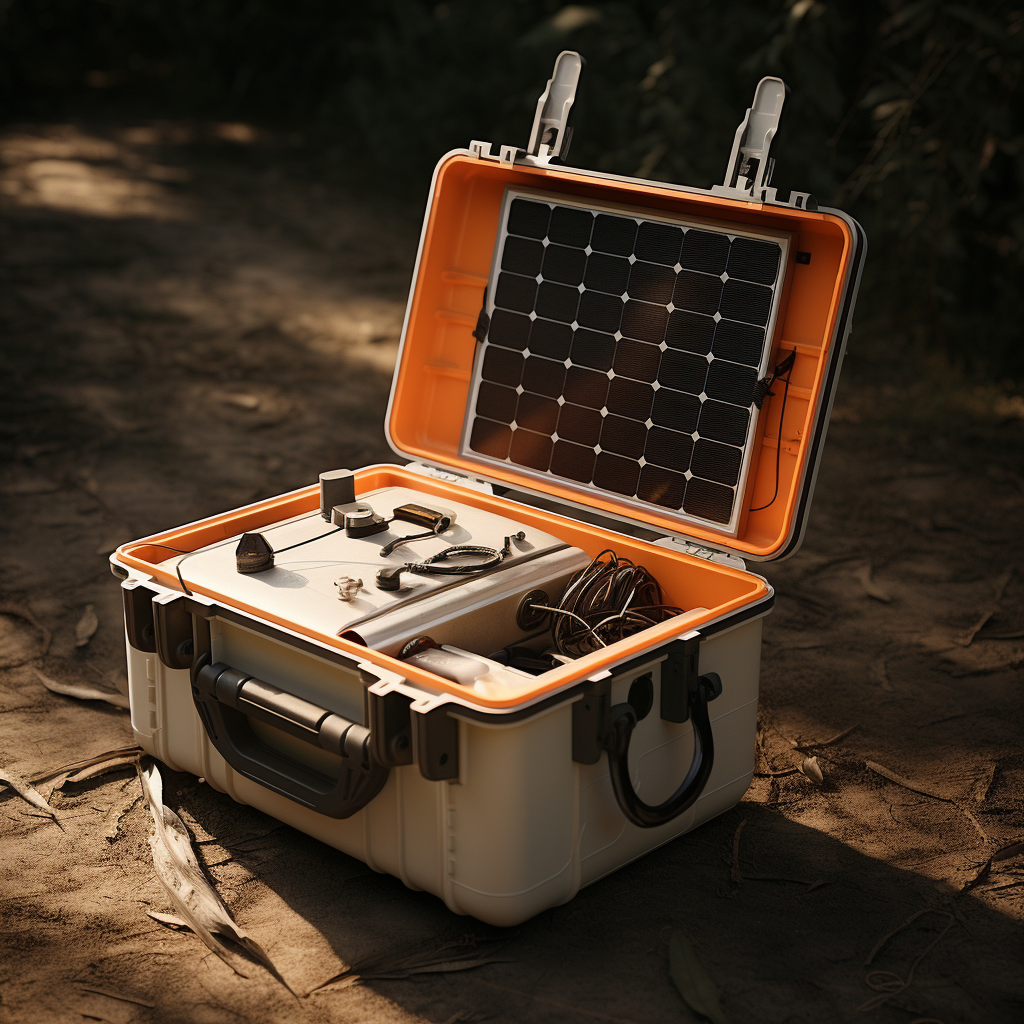
A portable solar generator is a renewable energy system that combines solar panels, a charge controller, battery storage, and an inverter to convert sunlight into usable AC power for running appliances, tools, medical devices, and more. The components are housed in a contained unit with handles for easy transport and mobility.

Here’s a quick overview of how portable solar generators work:

  • Solar panels: The solar panels absorb sunlight and convert it into DC (direct current) electricity. They act as the power source for the system.
  • Charge controller: The charge controller regulates the voltage and current coming from the solar panels to safely charge the batteries. It prevents overcharging.
  • Battery storage: The energy from the solar panels charge a bank of internal batteries. Lithium-ion batteries are most common for their high efficiency, fast charging, and lightweight.
  • Inverter: The inverter is a crucial component that transforms the DC power stored in the batteries into standard 120V AC (alternating current) power that you can use to run appliances.

The all-in-one, integrated design makes portable solar generators extremely versatile power sources you can take anywhere. They range in size from compact briefcase designs to larger rollable units on wheels. The battery capacities, solar panel wattages, and power outputs also vary widely depending on the model and your intended uses.

Everything You Need to Know About Portable Solar Generators

Benefits of Portable Solar Generators

There are many reasons to consider adding a solar generator to your renewable energy toolkit:

Clean, renewable power anywhere the sun shines: The solar panels provide emissions-free, renewable energy from the power of the sun. You avoid the noise and fumes associated with gas generators.

Reduced reliance on the electrical grid: Solar generators allow you to tap into the sun’s energy to run essential appliances during utility power outages. The more you use solar, the less you’ll need to depend on the grid.

Backup emergency power: Portable solar generators offer backup electricity to keep your fridge, medical devices, and other necessities powered up when the power goes down.

Off-grid power capabilities: Solar generators allow you to access electricity for off-grid trips, camping, tailgating, overseas travel, and other applications removed from electrical infrastructure.

Portability and mobility: The integrated, compact designs allow you to easily transport your solar power source for uses anywhere – at home, in your RV, cabin, boat, and more.

Key Features to Look for When Buying a Portable Solar Generator

There are several key specifications and features to evaluate when selecting the best portable solar generator for your needs and budget:

Solar panel wattage: The higher the solar panel wattage, the faster the generator can charge in full sunlight. Models range from 50W to over 350W.

Battery capacity: Expressed in watt-hours (Wh), the battery capacity determines how long the solar generator can run appliances before needing a recharge. Capacities span 500Wh to over 2000Wh.

Inverter wattage: The power of the inverter determines the size of appliances and devices you can run. Inverter wattages vary from 150W to 3000W on high-capacity models.

Outputs: All solar generators have standard 120V AC outlets. Look for additional USB ports, 12V DC outlets, and RV plugs to power more devices.

Weight and portability: Look for manageable weights under 50 pounds, carrying handles, and wheels if you’ll be transporting frequently. Waterproofing is also useful.

When evaluating options, it’s helpful to make a list of the items you intend to power and total their wattages to determine the appropriate solar panel and inverter sizes. Having some buffer is also wise.

Everything You Need to Know About Portable Solar Generators

Top Uses for Portable Solar Generators

With so many great features, portable solar generators empower you with renewable energy for:

Camping and RVing: Quietly run fans, lighting, refrigerators, and phones/laptops day or night without needing shore power.

Emergency preparedness: Keep essential medical devices, refrigerated foods, and communications running during power failures at home or in natural disasters.

Outdoor events/concerts: Avoid noisy, smelly generators and keep your gear powered up anywhere – at festivals, tailgates, concerts, and more.

Off-grid cabins and homes: Those living off-grid depend on solar power. Solar generators provide backup power for occasional uses.

Overseas travel: Solar generators allow you to charge devices and run small appliances without electrical infrastructure or adapters.

There are almost endless applications for portable solar power in work, leisure, and everyday life!

Sizing and Estimating Your Power Needs

To select the best portable solar generator, it’s important to assess your power requirements so you don’t under-size or overpay. Here are some tips:

  • Make a list of items you want to run and their wattages. Total up the average load.
  • Estimate your expected hours of use per day. Size the battery capacity accordingly.
  • Determine the highest peak power draws, like motor startup surges, and size the solar panels and inverter above that level.
  • Consider future expansion. It’s smart to add some buffer to your sizing estimations.
  • Use a solar generator sizing calculator to determine the right system specs.

Undersizing your generator can lead to overload and equipment damage. But oversizing adds unnecessary costs. Take time to adequately assess your usage and power needs.

Top Brands and Product Recommendations

With many brands entering the portable solar generator market, here are some of the best models on the market to consider:

Goal Zero Yeti Series: Goal Zero is an industry leader. The Yeti 1500X and Yeti 3000X models offer excellent power and runtime capacities.

Jackery Explorer 1500: This is Jackery’s highest capacity model with tremendous solar charging capabilities and runtime.

Anker 757 PowerHouse: The Anker 757 gets excellent reviews as a more budget-friendly alternative with decent power and portability.

Bluetti AC300: For heavy-duty off-grid solar power, the Bluetti AC300 is one of the highest quality inverter generators available.

Ecoflow Delta: The Ecoflow Delta features fast charging and the capacity to daisy chain batteries together for extended runtimes.

Westinghouse iGen2200: This is a great entry-level inverter generator that’s super portable and affordable.

Do your research to find the best balance of your power needs and budget. Read solar generator reviews andsafety certifications. Take advantage of seasonal sales when making your purchase.

Frequently Asked Questions

How long do solar generator batteries last? With proper care and usage, expect around 500 charge cycles before seeing battery degradation. Lifespans vary based on battery chemistry and quality.

How do you recharge a portable solar generator? Use the integrated solar panels by placing in direct sunlight. You can also recharge from wall outlets, car outlets, or separate solar panels.

Can you fly with portable solar generators? Yes, most meet airline requirements for checked and carry-on lithium batteries when kept under 300Wh capacity. Check your airline’s policies.

Are solar generators loud? Solar generators produce very little noise – unlike gas generators. Expect fan hum at higher loads. Otherwise, they charge and run extremely quietly.

Do solar generators require maintenance? Require minimal maintenance beyond battery care best practices. Check connections, clean dust from solar panels, and ensure firmware is updated.

Conclusion

Portable solar generators provide clean, versatile renewable power for numerous applications from outdoor adventures to home backup. Consider your expected uses and power load requirements when selecting a solar generator. Top brands like Goal Zero, Jackery, and Anker offer quality options to keep you powered anywhere. With smart sizing and usage, a portable solar generator can deliver years of sustainable solar electricity.

Posted on

How to Choose the Perfect Battery Charger for Your Needs

How to Choose the Perfect Battery Charger for Your Needs

Batteries provide portable power for a vast range of devices and equipment we use in our everyday lives. From smartphones and laptops to flashlights and power tools, we rely on batteries to deliver power when we are on the go. However, all those batteries will eventually run out of juice and need to be recharged. This is where having the right battery charger becomes extremely important.

With so many different battery chargers on the market, how do you pick the best one for your needs? There are a few key factors to consider that will ensure you choose a charger that can properly and safely charge the particular batteries you need powered up. This guide will walk you through the process step-by-step.

We’ll start by identifying what size and type of batteries you need to charge. Then we’ll explore the features to look for in a charger to match your needs. We’ll also cover specialty chargers for more complex battery charging scenarios. Finally, we’ll go over maintenance and care for your battery charger so you get the most out of its lifetime use. Follow along as we uncover the ins and outs of picking the ideal battery charger.

Determine What Type of Batteries You Need to Charge

The first step in picking the right battery charger is identifying the key details about the batteries you need to recharge. There are two main factors here – the size/shape of the battery, and the battery chemistry.

Common battery sizes include AA, AAA, C, D, and 9V batteries. The size refers to the physical dimensions of the battery. For example, AAA batteries are smaller than AA batteries. Most consumer devices take one of these standard sized cylindrical batteries.

For smartphones, tablets, laptops, and other specialty electronics you’ll need a charger compatible with the specific lithium-ion battery shape and voltage. These batteries come in different sizes like 18650 and 26650 to fit various devices.

In addition to physical size, it’s essential to know the battery chemistry – this determines the internal components and voltage level. Some of the most common options are:

  • Alkaline – 1.5V, disposable batteries for low-drain devices.
  • Lithium-ion (Li-ion) – 3.6V rechargeable batteries for cell phones, laptops, etc. Require specific chargers.
  • Nickel-cadmium (NiCd) – 1.2V rechargeable batteries common in older devices.
  • Nickel-metal hydride (NiMH) – 1.2V rechargeable batteries as an upgrade from NiCd.

Check your device’s manual or the molding/markings on the battery to discern size and chemistry details. Having this key information will point you to the appropriate charger type.

How to Choose the Perfect Battery Charger for Your Needs

Key Features to Look for in a Charger

Once you know the battery size and chemistry, identifying the right charger gets much easier. There are some important features and specs to consider when comparing charger options:

Charge Rate
The charge rate refers to the speed at which a battery charger can recharge batteries. There are three main charge rate categories:

  • Slow or trickle chargers provide a low amount of continuous current. This results in longer charging times, but is safest for small batteries.
  • Fast chargers provide higher current to charge up batteries more rapidly – usually in 2-4 hours. This is suitable for frequently used rechargeables.
  • Turbo chargers offer the highest charge rate for large capacities and specialty batteries. Charging is faster but requires careful monitoring to avoid damage.

Select a charger with an appropriate charge rate for the battery size and your charging needs. Slow chargers work well for occasional small battery use. Fast chargers are the best bet for general battery charging of AA and AAA cells. And turbo chargers can be useful for charging packs of high-capacity rechargeable batteries.

Number of Bays
For convenience, look for a battery charger that has multiple bays or slots to charge more than one battery at a time. Chargers may have slots for 2, 4, 6, 8 or even 12 batteries at once. The number of bays you need depends on how many batteries you use regularly.

Discharge Function
Some advanced chargers have a discharge function that drains out any remaining power in a battery before charging it up again. This can help recondition batteries and extend their overall lifespan. The discharge function is useful but not essential for most users.

Safety Features
Protections for overcharging, overheating, short circuiting, and other risks are very important. High-quality chargers will have built-in safety mechanisms to prevent damage to batteries and maintain safe operation. Look for mentions of these protections in a charger’s product details.

Display Screen
Higher-end smart chargers feature an LCD screen that displays useful information during the charging process. This may show the charge level of each battery, current charge stage, time remaining, and error alerts. A display screen offers convenience but is not a necessity.

Portability
If you need to charge batteries while traveling or commuting, select a more compact and portable charger. Look for options that are lightweight with foldable prongs. Handheld portable power banks can also be useful for charging devices on the go.

Charging Specialty Batteries

While standard AA and AAA rechargeables account for many battery charging needs, you may also need to charge more complex specialty batteries. Here are some scenarios that call for specific charger requirements:

Lithium-Ion/Lithium-Polymer Batteries
Rechargeable Li-ion batteries are common for consumer electronics and even electric vehicles. The shape, voltage, and charging process differs greatly from standard NiMH rechargeables. Only use a lithium-ion compatible charger for these batteries. Never attempt to charge Li-ion batteries with a traditional battery charger.

Solar Chargers
For camping or emergency preparedness kits, solar-powered chargers can come in handy. These use a solar panel to harness power from the sun and convert it to charge up batteries during the day. They are slow but useful in off-grid scenarios.

Car/Marine Batteries
Lead-acid batteries for cars, boats, and RVs need a specialty charger that provides a slow, steady charge up to 14.4V for extended periods. Automotive battery chargers have high power output and alligator clamp connectors for vehicle batteries.

Power Tool Batteries
Many power drills, saws, grinders and other tools now use lithium-ion battery packs. These require a specific charger matched to the brand and model battery. The charger attaches to fit the custom shape of the battery pack casing.

Maintaining and Caring for Your Charger

To get the longest lifetime and best performance from your battery charger, proper maintenance and care is essential. Here are some tips for taking care of your charger:

  • Keep the charger clean by wiping down the outside casing and checking battery bays for dirt, debris or corrosion.
  • Never insert batteries that are wet or have leaks/damages that could cause hazards.
  • Don’t place the charger near heat sources, direct sunlight or moisture. Use ventilation if needed.
  • Be careful not to drop or damage the charger which could break internal components.
  • Store in a dry location when not in use to avoid dust build-up.
  • Replace very old chargers as they may become less efficient over time.
  • Check that contacts are aligned, springs are functional, and connectors are not bent.
  • Don’t disassemble the charger yourself as you could cause injury or electrical risks.

Following the manufacturer’s usage, maintenance and safety guidelines is highly recommended. With proper care, a quality battery charger can deliver many years of reliable service for all your battery charging needs.

Conclusion

Picking the ideal battery charger doesn’t have to be a difficult or confusing process. By first figuring out your battery type and size, you can focus on choosing a compatible charger with the right features to meet your charging needs safely. Carefully compare charge rates, number of bays, display screens, and key protections to select a charger that works for you. Specialty chargers may be required for lithium-ion batteries, vehicles or power tool packs. And be sure to keep your charger in top shape through regular maintenance and cleaning. Following this advice will help you find and properly use the perfect battery charger for powering all your devices.