As our reliance on portable electronics grows, so does our dependency on lithium-ion (Li-ion) batteries. These energy-dense power sources are not only essential for our smartphones and laptops but also increasingly common in electric vehicles and renewable energy systems. But despite their ubiquity, Li-ion batteries are not without risks. Hazards such as thermal runaway, gas leaks, and overcharging can lead to fires, explosions, or even toxic exposure.
Given the high stakes, recognizing and mitigating these hazards is crucial for both individual users and organizations. This article aims to equip you with the knowledge to identify potential dangers associated with Li-ion batteries and provide actionable remedies. Whether you’re a consumer, a technician, or an enterprise-level user, this guide offers a comprehensive understanding of how to manage the risks tied to Li-ion batteries effectively.
With insights from experts in the field and backed by scientific research, we will dissect the common hazards, signs, preventative measures, and emergency protocols concerning Li-ion batteries. By the end of this read, you’ll have a detailed, practical roadmap for navigating the complexities and risks of Li-ion battery usage safely and efficiently.
What Are Li-ion Batteries?
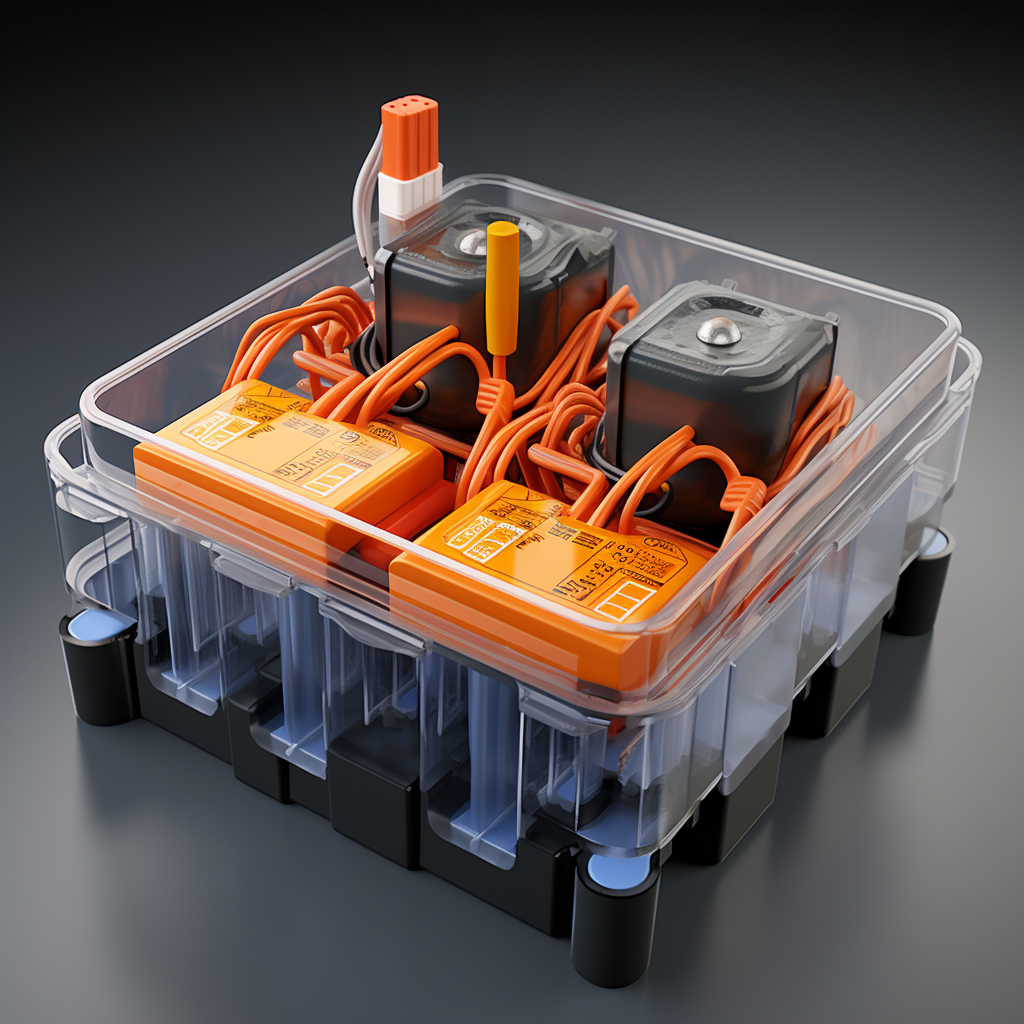
Before delving into the specifics of hazards and remedies, it’s essential to understand what lithium-ion batteries are and why they have become so prevalent in today’s technological landscape. Fundamentally, a lithium-ion (Li-ion) battery is a rechargeable energy storage system that relies on the movement of lithium ions between two electrodes—an anode and a cathode—to generate electrical power.
The Anatomy of a Li-ion Battery
- Anode: Typically made of graphite, the anode serves as the negative electrode.
- Cathode: Composed of lithium metal oxides, the cathode is the positive electrode.
- Electrolyte: A lithium salt dissolved in an organic solvent, facilitating ion movement.
- Separator: A porous material that prevents the anode and cathode from coming into direct contact, averting potential short circuits.
Why Li-ion?
Li-ion batteries have several advantages that contribute to their widespread use:
- High Energy Density: They offer a high power-to-weight ratio, making them ideal for portable devices.
- Low Self-Discharge: Unlike some battery types, Li-ion batteries lose their charge very slowly when not in use.
- Rechargeable: The ability to recharge hundreds of times increases their lifespan and makes them more cost-effective in the long run.
Applications
- Consumer Electronics: Smartphones, laptops, cameras.
- Electric Vehicles: Cars, scooters, bicycles.
- Industrial Use: Backup power supplies, machinery.
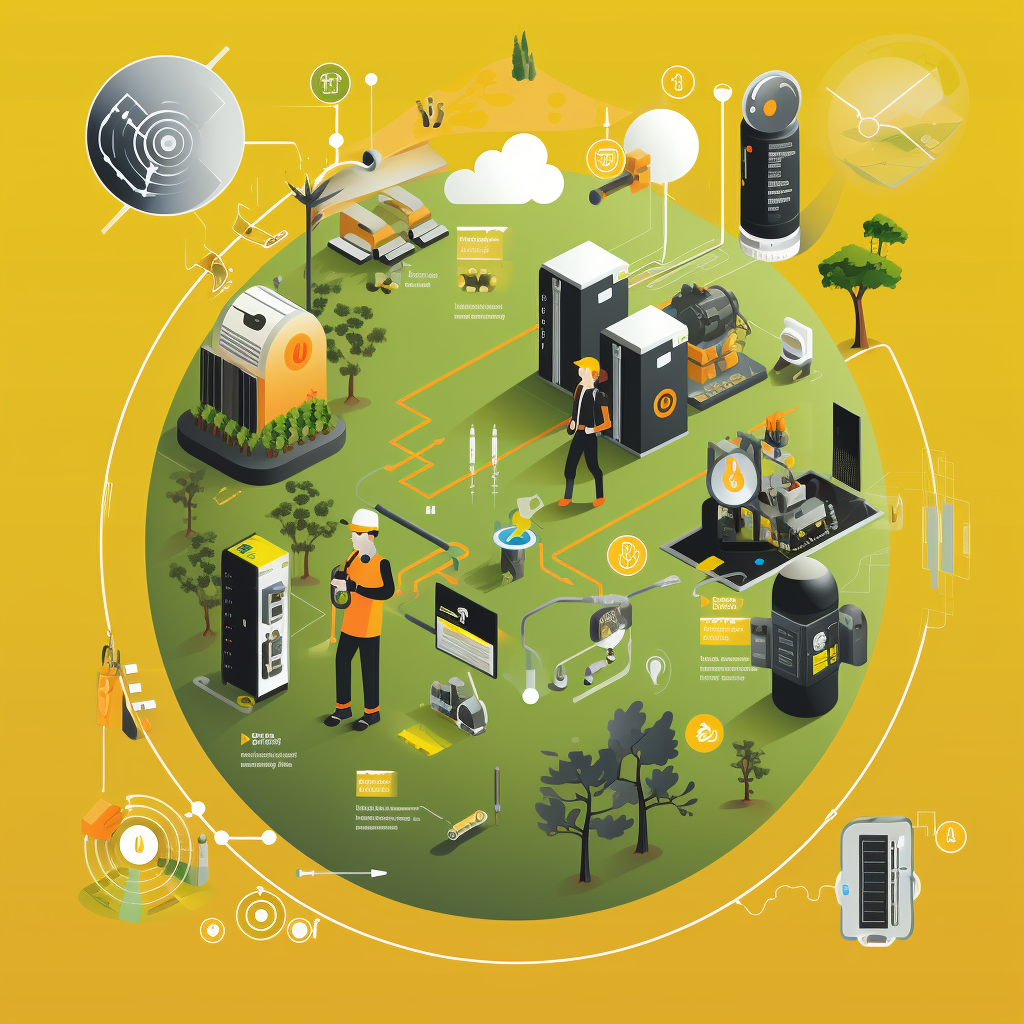
- Renewable Energy Systems: Solar panel arrays, wind turbine energy storage.
While these batteries have revolutionized various sectors, their potential risks cannot be ignored. Understanding the components and principles behind Li-ion batteries sets the stage for a deep dive into their associated hazards and how to mitigate them effectively.
Common Hazards Associated with Li-ion Batteries
Li-ion batteries are generally reliable and safe for everyday use, but they are not without risks. Below are some of the most common hazards that could compromise the safety of these batteries:
3.1 Thermal Runaway
Thermal runaway is a dangerous feedback loop where an increase in temperature triggers events that further raise the temperature. In Li-ion batteries, this can occur due to internal short circuits or mechanical failures. This phenomenon can lead to a rapid release of stored energy, potentially causing the battery to burst into flames or even explode.
3.2 Gas Leaks
During malfunction or if a Li-ion battery is physically damaged, the internal components may break down and produce gases. These gases can build up inside the battery casing, leading to leaks. In confined spaces, these gas leaks can be hazardous and could lead to asphyxiation if not promptly addressed.
3.3 Overcharging
While many modern devices are designed to stop charging automatically when the battery is full, malfunctions can occur. Overcharging a Li-ion battery can lead to overheating, swelling, and even an internal short circuit. These conditions not only reduce battery lifespan but also pose fire risks.
Understanding these hazards is the first step toward ensuring safety when using or managing Li-ion batteries. Once we are aware of the dangers, we can begin to recognize the warning signs and take appropriate preventative measures.
Recognizing the Signs of Li-ion Battery Hazards
Early detection of potential hazards can make a significant difference in managing the risks associated with Li-ion batteries. Here are some crucial signs that indicate your Li-ion battery may be compromised:
4.1 Swelling
A swollen battery is a glaring warning sign. Swelling usually indicates that the internal components are breaking down, producing gases that have nowhere to go. If you notice a bulge in the battery or the casing of your device, it’s time to take immediate action.
4.2 Overheating
While some warmth during charging or heavy use is normal, excessive heat is a cause for concern. Overheating can be a precursor to thermal runaway and poses a high risk of damaging both the battery and the device it powers. Turn off the device and disconnect it from any power sources if you encounter this issue.
4.3 Smoke or Strong Odor
The emission of smoke or a pungent smell is often an indicator that the battery’s internal chemistry is severely compromised. These symptoms are a critical sign that you should power down your device and move it to a safe location immediately.
4.4 Voltage Fluctuations
Erratic behavior in battery voltage, such as rapid draining or difficulty charging, may signify internal damage. Utilize battery diagnostic tools if available, or consult experts for an in-depth assessment.
4.5 Physical Damage
Visible damage like cracks or leaking liquid is an immediate red flag. Compromised structural integrity can lead to more serious problems, including thermal runaway or gas leaks.
By being vigilant for these signs, you can mitigate risks and take timely action to prevent more severe consequences. The next step is to adopt preventative measures and know how to respond effectively in emergency situations.
Preventative Measures
Even with the best manufacturing practices, Li-ion batteries are not entirely devoid of risks. However, implementing specific preventative measures can significantly reduce these risks. Below are some tried-and-true strategies to enhance your safety when using these batteries:
5.1 Proper Storage
Storage conditions can have a significant impact on Li-ion battery health. Always store your batteries in a cool, dry environment away from direct sunlight. Many experts also recommend using fire-resistant storage bags or cases specifically designed for Li-ion batteries.
5.2 Safe Charging Practices
- Use Approved Chargers: Always use chargers that are certified or come from the device’s manufacturer.
- Monitor Charging: Don’t leave your device unattended while it’s charging, especially for prolonged periods.
- Avoid Overcharging: Modern devices usually prevent overcharging, but it’s still good practice to unplug once the battery reaches full capacity.
5.3 Routine Inspections
Regularly inspect your batteries for any signs of wear, damage, or aging. Look for swelling, discoloration, or any physical deformities. For larger systems, like those in electric vehicles or industrial applications, professional inspections are recommended at least annually.
5.4 Software Updates
Keep your device’s software up-to-date. Manufacturers often release updates that optimize battery use and can safeguard against some potential risks.
5.5 Avoid Physical Stress
Handle the batteries carefully. Drops or physical impact can damage internal components, making the battery unsafe for use.
By integrating these preventative measures into your routine, you enhance not only the lifespan of your Li-ion batteries but also the safety of your environment. Sometimes, despite all precautions, emergencies can still happen. The next chapter will guide you on what immediate actions to take when faced with a Li-ion battery hazard.
What to Do in Case of an Emergency
When dealing with Li-ion battery hazards, prompt and effective action is crucial. Here’s a breakdown of what to do in various emergency scenarios:
6.1 Containing Thermal Runaway
- Isolate the Device: If safe to do so, move the affected device or battery to a non-combustible surface away from flammable materials.
- Use a Fire Extinguisher: Utilize a Class D fire extinguisher suitable for electrical fires. Traditional water-based extinguishers are not effective on Li-ion fires.
- Call Emergency Services: Dial emergency numbers immediately, especially if you cannot control the situation.
6.2 Handling Gas Leaks
- Ventilate the Area: Open windows and doors to disperse the gas and reduce the risk of asphyxiation.
- Evacuate: If the leak is significant, evacuate the area until it’s declared safe by experts.
- Seek Medical Attention: Exposure to battery gases can be toxic. If you experience symptoms like coughing or eye irritation, seek medical assistance.
6.3 Fire Safety Measures
- Use Fire-Resistant Containers: For high-capacity batteries or industrial setups, store them in containers that can contain potential fires.
- Install Smoke Detectors: Ensure functional smoke detectors are in proximity to where batteries are stored or charged.
- Have an Emergency Plan: Always have an emergency protocol in place that everyone is familiar with, particularly in workplace or industrial settings.
The immediate aftermath of any battery hazard event should always involve a professional assessment to determine the cause and recommend any necessary preventative measures for the future.
This chapter aimed to offer actionable guidelines for emergency situations, but remember: the goal is always prevention first. Investing in quality equipment, adhering to best practices, and fostering awareness can significantly reduce the risks associated with Li-ion batteries.
Expert Recommendations
Beyond the common best practices and emergency procedures, it’s also beneficial to consider insights from experts in the field. These can further refine your approach to Li-ion battery safety.
7.1 Consult Manufacturer Guidelines
Each battery and device may have specific safety guidelines outlined by the manufacturer. Always consult these documents for any particular nuances in safe usage and emergency procedures.
7.2 Professional Training
For those in industrial sectors or organizations that rely heavily on Li-ion batteries, consider safety training sessions from certified professionals. These can include hands-on demonstrations and customized advice tailored to your specific applications.
7.3 Third-Party Safety Certifications
Before purchasing, look for batteries and chargers that have been safety-certified by reputable third-party organizations. Certifications like UL (Underwriters Laboratories) or CE (Conformité Européenne) are generally reliable indicators of a product’s safety standards.
7.4 Thermal Monitoring Systems
In larger battery installations, like electric vehicle charging stations or data centers, advanced thermal monitoring systems can detect early signs of thermal runaway and trigger automated safety measures.
7.5 Regular Audits
Conduct regular safety audits to assess the physical condition of batteries and the efficacy of existing safety protocols. Make adjustments based on these findings to continually enhance your safety measures.
Following expert recommendations not only provides additional layers of safety but also underscores your commitment to responsible Li-ion battery use. This comprehensive approach ensures that you are not merely reacting to hazards but proactively minimizing the risks involved.
Conclusion
Li-ion batteries have become an indispensable part of our modern lives, powering everything from smartphones to electric vehicles. While they offer numerous advantages like high energy density and low self-discharge rates, they are not without risks. By understanding the potential hazards, recognizing early warning signs, implementing preventative measures, and preparing for emergency situations, we can significantly mitigate these risks.
Incorporating expert recommendations and regularly updating our safety protocols further solidifies this safety net. Being proactive rather than reactive in our approach to Li-ion battery safety can save not only money but also lives.
The bottom line is that while Li-ion batteries have transformed how we store and use energy, they must be handled with the care and respect that any high-energy product deserves.
References:
- Battery University – Offers a wide range of information about batteries, including lithium-ion.
- U.S. Consumer Product Safety Commission – Provides safety guidelines and recall notices for consumer products, including batteries.
- Underwriters Laboratories (UL) – For information about safety certifications and standards for lithium-ion batteries.
- URL: https://www.ul.com/
- IEEE Papers on Battery Safety – For more technical insights into lithium-ion battery safety measures.
- National Fire Protection Association (NFPA) – Provides resources on preventing electrical fires, including those caused by batteries.
- Federal Aviation Administration (FAA) – For guidelines on carrying lithium-ion batteries on flights, which are relevant to their safety.
- URL: https://www.faa.gov/
- Chemical Safety Board Reports – For case studies and analyses of accidents involving chemical processes, including battery fires.
- URL: https://www.csb.gov/
- Journal of The Electrochemical Society – For scholarly articles about the chemistry and behavior of lithium-ion batteries.
- Occupational Safety and Health Administration (OSHA) – For workplace safety guidelines regarding lithium-ion batteries.