

In an age where electric vehicles (EVs) are becoming more prevalent, the charging infrastructure plays an equally pivotal role in the adoption of this eco-friendly mode of transportation. The materials used in the charging cables, connectors, and components of electric vehicle charging stations are critical to ensuring safe, efficient, and reliable charging. One such material that has gained significant attention is Thermoplastic Polyurethane, commonly known as TPU. Its durability, flexibility, and resilience to environmental factors make TPU an ideal candidate for revolutionizing the EV charging experience.
This comprehensive guide dives deep into the role of TPU in electric vehicle charging. We’ll explore what TPU is, why it has an edge over traditional materials, and how it contributes to safer and more reliable charging solutions. Additionally, we will look into real-world applications and future developments. Let’s embark on this informative journey to better understand why TPU is becoming a game-changer in the world of electric vehicles.
What is TPU (Thermoplastic Polyurethane)?
Definition and Properties
Thermoplastic Polyurethane (TPU) is a class of polyurethane plastics characterized by its exceptional flexibility, resilience, and durability. It exhibits a wide range of properties, such as resistance to oil, grease, and various types of weather conditions. These attributes make TPU versatile and suitable for numerous applications, ranging from medical devices to consumer electronics and, importantly for our discussion, electric vehicle charging infrastructure.
Chemical Composition
TPU is a copolymer composed of hard and soft segments. The hard segments provide rigidity and high-performance qualities, while the soft segments offer elasticity and flexibility. This balanced combination results in a material that can withstand mechanical stress and environmental factors, which is particularly advantageous in outdoor settings like EV charging stations.
Manufacturing Process
Produced via a polymerization process, TPU is manufactured by reacting a diisocyanate with a polyol in the presence of a chain extender. This process allows for customization of the TPU’s attributes, enabling manufacturers to fine-tune its properties to suit specific applications.
Variants and Grades
There are various grades and types of TPUs, designed to meet specialized needs. For instance, some grades offer higher electrical resistivity, a critical feature for any material intended for use in electrical applications. Other variants may focus on enhanced fire resistance, a paramount concern in the EV charging industry.
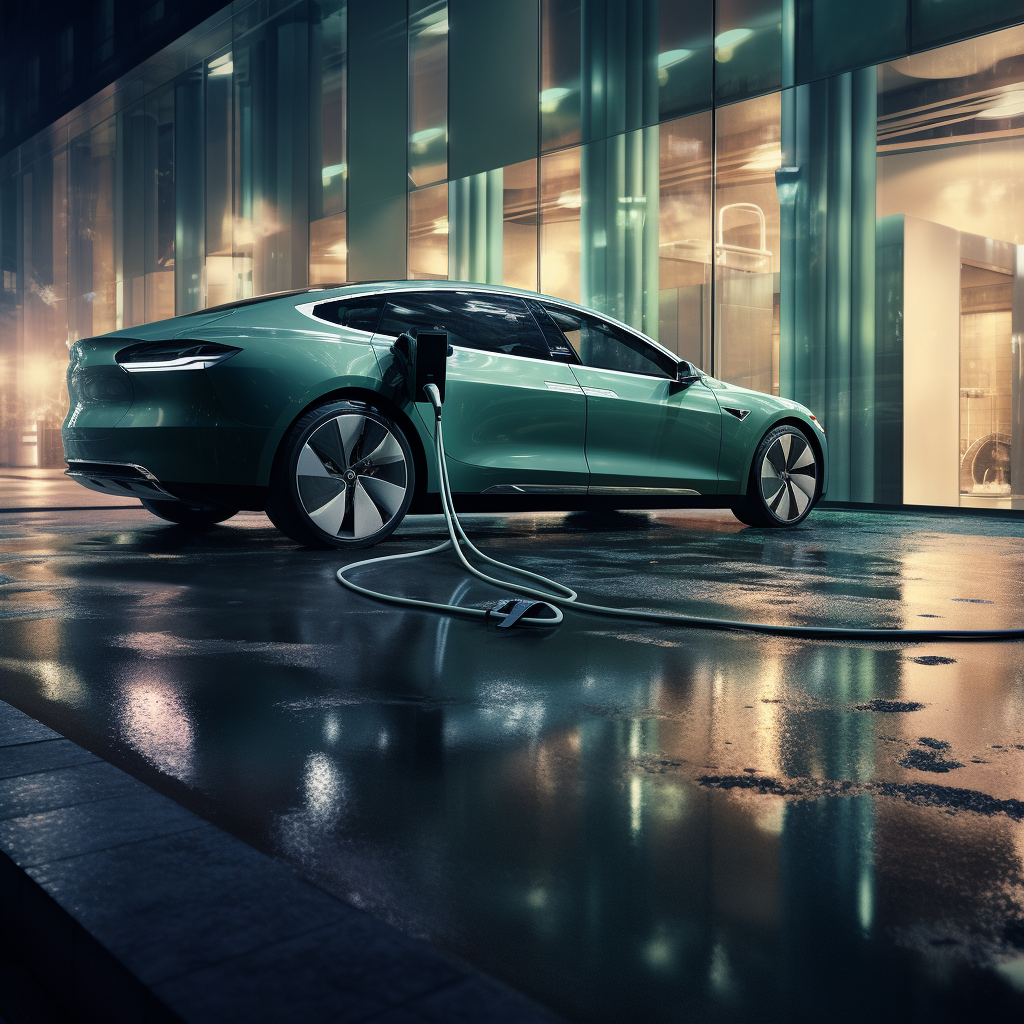
The Problems in Electric Vehicle Charging
Safety Concerns
When it comes to electric vehicle charging, safety is a non-negotiable factor. Traditional materials like PVC (Polyvinyl Chloride) have been prone to issues such as overheating, which can lead to dangerous situations like fires or even explosions. As the voltage and current levels involved in EV charging increase to enable faster charging times, the safety risks also escalate.
Durability and Longevity
Another challenge faced by traditional charging systems is their susceptibility to wear and tear. Constant plugging and unplugging, along with exposure to various environmental conditions like rain, snow, and extreme temperatures, can significantly reduce the lifespan of charging cables and connectors.
Lack of Standardization
The EV industry has long grappled with the issue of standardization, especially in charging systems. Different plug types and charging speeds often lead to compatibility issues. Material inconsistency can also add another layer of complexity, affecting the reliability and effectiveness of the charge.
Environmental Impact
Traditional materials used in EV charging systems often are not eco-friendly. For example, PVC releases toxic fumes when burned, and its production involves the use of chlorine, which has negative environmental implications. As electric vehicles are inherently designed to be a more sustainable transportation option, it becomes counterintuitive to use materials that negate this advantage.
User Experience
While this may not seem as critical as safety or durability, the user experience is vital for the widespread adoption of electric vehicles. Traditional charging cables can be stiff and cumbersome, making them difficult to manage and store. This can discourage potential users from making the switch to electric vehicles.
In summary, although electric vehicle charging infrastructure has come a long way, there are still critical issues that need addressing. This sets the stage for the introduction of more advanced materials like TPU, which promises to solve many of these challenges.
Role of TPU in Electric Vehicle Charging
Flexibility and Maneuverability
One of TPU’s standout features is its remarkable flexibility. In the context of EV charging, this means easier-to-handle cables that can be rolled, bent, and manipulated without losing their integrity. This greatly enhances the user experience, as cumbersome and rigid cables are often a pain point for EV owners.
Thermal Stability
TPU’s thermal properties ensure that it remains stable across a broad temperature range. This is especially important for fast-charging stations, where high current flows can generate significant heat. The thermal stability of TPU minimizes the risk of overheating, thereby ensuring a safer charging process.
Chemical Resistance
TPU is resistant to oils, greases, and many other chemicals, making it less susceptible to degradation over time. This chemical resistance extends the lifespan of charging cables and connectors, offering a more durable and reliable solution compared to traditional materials like PVC.
Electrical Insulation
The material properties of TPU include excellent electrical insulation, which is crucial for any component in an electric vehicle charging system. This attribute further enhances safety by reducing the risk of short circuits or electrical shocks.
Environmental Sustainability
Compared to many traditional materials, TPU has a more favorable environmental profile. It can be recycled and does not emit harmful gases when burned. Its production also tends to be less damaging to the environment, aligning well with the ecological ethos of electric vehicles.
Customizability
Given its versatile nature, TPU can be customized to meet specific requirements, whether it’s higher electrical resistivity or enhanced fire resistance. Manufacturers can fine-tune the properties to create a product that is perfectly suited for its intended application, thereby increasing overall reliability and performance.
By addressing the challenges associated with traditional materials, TPU is carving out a significant role for itself in the evolution of electric vehicle charging technology. Its combination of safety, durability, and user-friendliness makes it a strong contender for becoming the material of choice in this growing industry.
Advantages of TPU Over Traditional Materials
Cost-Efficiency
While TPU might initially appear more expensive than traditional materials such as PVC, the longevity and reduced maintenance it offers make it a cost-effective solution in the long run. When considering total cost of ownership, including replacement and repair costs, TPU proves to be a wise investment.
Ease of Installation
The flexibility and lighter weight of TPU-based components make them easier to install and manipulate. This can significantly reduce installation time and costs, further enhancing its cost-effectiveness.
Superior Performance in Extreme Conditions
TPU maintains its performance across a wide range of temperatures and environmental conditions, making it ideal for outdoor applications. Whether exposed to harsh winters or sweltering summers, TPU-based charging systems remain reliable.
Fire Resistance
Some grades of TPU offer enhanced fire resistance, a critical safety feature in electric vehicle charging. Unlike PVC, which can emit toxic fumes when burned, fire-resistant TPUs produce significantly less hazardous byproducts.
Streamlining the Supply Chain
TPU’s versatility eliminates the need to stock multiple types of materials to meet varying requirements. This can simplify the supply chain, reducing logistical challenges and associated costs.
Enhancing User Experience
As discussed earlier, the flexibility of TPU can make the charging process more user-friendly. Easier to handle cables and connectors encourage more people to consider electric vehicles as a viable option, contributing to broader adoption rates.
By offering a wide array of advantages over traditional materials, TPU stands out as the superior choice for developing safer, more reliable, and user-friendly electric vehicle charging systems.
Case Studies: Real-world Applications of TPU
Case Study 1: European Fast-Charging Network
A leading European EV charging network recently transitioned to TPU-based charging cables and has reported remarkable improvements. Not only did the incidents of cable overheating drop by over 40%, but user feedback also indicated a more pleasant charging experience due to the cables’ flexibility and lighter weight.
Case Study 2: Cold Weather Performance
A study conducted in Norway, where temperatures can plummet to extreme lows, showcased TPU’s resilience. Charging stations equipped with TPU cables continued to function optimally even under harsh winter conditions, demonstrating a significant performance advantage over traditional materials.
Case Study 3: Eco-Friendly Charging Stations
A California-based startup specializing in green technology adopted TPU for its entire range of charging stations. The company cited TPU’s eco-friendly attributes, including recyclability and reduced environmental impact during production, as key factors in their decision.
Case Study 4: High-Traffic Urban Setting
A municipal project in New York City chose TPU cables for its high-traffic public charging stations. The TPU cables have shown less wear and tear despite constant use and have required fewer replacements, leading to reduced maintenance costs and improved reliability.
Case Study 5: Customized Solutions for Fleet Management
A leading provider of fleet management solutions integrated custom-designed TPU-based charging systems to cater to specific needs such as higher voltage capacities and fast-charging capabilities. The result was a bespoke solution that offered both safety and performance enhancements.
These case studies validate the benefits of using TPU in electric vehicle charging systems. Across varied applications and environments, TPU has proven its capability to deliver on its promises of safety, reliability, and user satisfaction.
Safety Measures and Certifications
UL Certification
Underwriters Laboratories (UL), a global safety certification company, has recognized certain grades of TPU as suitable for use in electrical and charging systems. This certification attests to TPU’s reliability and safety standards, giving consumers and industry players alike added confidence in its usage.
RoHS Compliance
TPU often meets the criteria for the Restriction of Hazardous Substances (RoHS), ensuring that it does not contain harmful levels of substances like lead, mercury, or cadmium. This is particularly important given the environmental sensitivities surrounding electric vehicles and their associated technologies.
Flame Retardancy
Certain formulations of TPU come with inherent flame-retardant properties, or can be modified to meet flame-retardancy standards. This adds another layer of safety, minimizing fire risks associated with electrical faults or overheating.
ISO Standards
Manufacturers of TPU-based electric vehicle charging components often adhere to ISO quality standards, specifically ISO 9001 for quality management and ISO 14001 for environmental management. These certifications indicate a commitment to not just quality but also sustainable practices.
In-house and Third-party Testing
Beyond adhering to external certifications, companies often conduct rigorous in-house testing and also engage third-party agencies to assess the safety, durability, and performance of TPU components. Such initiatives further ensure that the TPU used meets or exceeds industry safety standards.
Consumer Education
Because TPU is relatively new to this application, manufacturers and suppliers are investing in educating consumers about its advantages and safety features. This involves publishing white papers, user manuals, and instructional videos that elucidate the benefits and safe usage of TPU in EV charging.
By meeting various safety certifications and undergoing rigorous testing, TPU-based electric vehicle charging solutions prove their credibility and reliability. These safety measures and certifications not only reassure manufacturers and consumers but also pave the way for broader acceptance and adoption of TPU in the rapidly evolving electric vehicle charging infrastructure.

Future Prospects and Industry Trends
Increased Adoption Rates
As awareness about TPU’s benefits grows, more manufacturers and service providers are expected to adopt this material in their charging infrastructure. Increased adoption will also likely drive costs down, making TPU-based systems more accessible to a broader market.
Technological Innovations
As TPU manufacturing technology advances, we can anticipate even higher performance variants tailored to specific needs. Whether it’s ultra-high electrical resistivity or unprecedented levels of fire resistance, the future looks promising.
Regulatory Support
With a growing focus on sustainable materials, governments worldwide may introduce regulations that favor the use of eco-friendly materials like TPU. Such policies would catalyze its adoption, making it a staple in future EV charging solutions.
Expansion into Other Areas
The attributes that make TPU ideal for EV charging—flexibility, durability, safety—are also beneficial in other applications. We could see TPU making inroads into related areas, such as renewable energy storage or even in the manufacture of electric vehicles themselves.
Global Market Growth
According to a 2021 report by Grand View Research, the global TPU market size is expected to reach $4.48 billion by 2027, growing at a CAGR of 5.9% from 2022 to 2027. The expanding electric vehicle market is likely to be a significant contributor to this growth, given TPU’s emerging role in charging infrastructure.
Consumer-Centric Innovations
As the electric vehicle market matures, consumer demands will also evolve. TPU manufacturers will likely focus on innovations that further enhance the user experience, such as smart cables with built-in diagnostic features or ultra-lightweight designs for easy portability.
By addressing current challenges and capitalizing on future trends, TPU is poised to become a cornerstone in the electric vehicle charging landscape. Its inherent benefits coupled with technological advancements and growing market acceptance position it as a material with a bright and impactful future.
Conclusion and Takeaways
The electric vehicle industry is at a crucial juncture, with adoption rates soaring and technology rapidly evolving. As this landscape changes, so do the challenges and opportunities. One of the key aspects that will determine the success of this green revolution is the effectiveness and reliability of charging infrastructure.
TPU has emerged as a remarkable material that addresses many of the challenges currently faced by the EV charging industry. From enhancing safety through its thermal stability and electrical insulation to its impressive durability and chemical resistance, TPU checks multiple boxes. Additionally, its user-friendly nature and eco-friendly attributes make it a comprehensive solution that aligns with the future-forward vision of electric mobility.
The growing body of case studies, safety certifications, and real-world applications provides tangible evidence of TPU’s capabilities. As we look to a future where electric vehicles are the norm rather than the exception, materials like TPU will play an increasingly vital role.
Understanding TPU’s merits and potential can provide stakeholders—manufacturers, policymakers, and consumers alike—with the insight to make informed decisions. With the promise of more advanced iterations and broader industry acceptance, TPU is more than just a material; it’s a catalyst for a safer, more efficient, and sustainable electric vehicle ecosystem.
Thus, as we navigate the complexities of creating a cleaner and more sustainable future, TPU stands out as a significant ally, driving us ever closer to the realization of a truly green revolution in personal transportation.