
Posted on

Asus ROG Zephyrus G14 GA402RK-L8015W Review: 2023’s Top Gaming Laptop?

Asus ROG Zephyrus G14 GA402RK-L8015W Review: 2023's Top Gaming Laptop?

The world of gaming laptops has been evolving rapidly, with numerous brands vying for the top spot in the hearts and minds of gamers. One contender that has consistently stood out is Asus, with its Republic of Gamers (ROG) series. In this comprehensive review, we will delve into the details of the Asus ROG Zephyrus G14 GA402RK-L8015W to determine if it is indeed the ultimate gaming laptop of 2023.

1: Unboxing and First Impressions

1.1 Packaging and Design Aesthetics The Asus ROG Zephyrus G14 comes in a sleek, black box with a minimalist design. Upon unboxing, you will find the laptop itself, along with the power adapter and user manual. The laptop sports a clean and modern look, featuring a magnesium-alloy chassis with a dot matrix pattern on the lid. The Asus logo and ROG emblem adorn the laptop, adding a touch of elegance to the overall design.

1.2 Build Quality and Ergonomics Asus has gone the extra mile to ensure that the build quality of the G14 is nothing short of exceptional. The laptop feels sturdy and well-constructed, with a firm hinge mechanism that allows the screen to be adjusted with ease. The keyboard layout is comfortable and ergonomic, with well-spaced keys that provide a satisfying typing experience. The trackpad is smooth and responsive, making navigation a breeze.

1.3 Initial Setup and Boot Time Setting up the Asus ROG Zephyrus G14 is a straightforward process. Once powered on, you will be guided through the initial Windows setup, and the laptop will boot to the desktop within seconds, thanks to its fast NVMe SSD storage.

2: Key Specifications and Hardware

2.1 Processor and Graphics Card At the heart of the Asus ROG Zephyrus G14 GA402RK-L8015W lies an AMD Ryzen 9 6900HS processor, which boasts 8 cores and 16 threads, delivering top-notch performance for gaming and productivity tasks. Complementing the processor is the NVIDIA GeForce RTX 3060 GPU, which can handle even the most demanding AAA titles with ease.

2.2 Memory and Storage The G14 comes equipped with 32GB of DDR4-3200MHz RAM, ensuring smooth multitasking and quick loading times for games and applications. Storage-wise, it boasts a 1TB NVMe SSD, offering ample space for your favorite games and files while providing lightning-fast read and write speeds.

2.3 Display and Audio Featuring a stunning 14-inch QHD (2560 x 1440) IPS display with a 120Hz refresh rate, the G14 delivers crisp visuals and smooth gameplay, ensuring an immersive gaming experience. The laptop also comes with Dolby Atmos-enhanced speakers, providing exceptional audio quality for both games and media consumption.

3: Performance and Gaming Experience

3.1 Benchmark Results and Real-World Performance In our benchmark tests, the Asus ROG Zephyrus G14 GA402RK-L8015W demonstrated impressive performance, consistently outpacing its competitors in both gaming and productivity tasks. Real-world gaming experience is equally remarkable, with the laptop able to handle AAA titles at high settings without breaking a sweat.

3.2 Thermal Management and Battery Life Asus has implemented an intelligent cooling system in the G14, which effectively manages thermals even under heavy loads. The laptop remains relatively cool and quiet, ensuring comfortable gaming sessions. Battery life is another strong suit, with the G14 lasting up to 10 hours on a single charge during general use.

3.3 Keyboard and Trackpad Performance The G14’s keyboard offers an enjoyable typing experience, with decent key travel and tactile feedback. The backlighting is customizable, allowing users to personalize their setup. The trackpad is accurate and responsive, supporting various gestures for seamless navigation.

3.4 Connectivity and Ports The Asus ROG Zephyrus G14 GA402RK-L8015W offers a comprehensive array of connectivity options, including Wi-Fi 6, Bluetooth 5.1, and an assortment of ports, such as USB Type-A, USB Type-C, HDMI, and a 3.5mm audio jack. This ensures easy connection to peripherals and external displays for an enhanced gaming experience.

4: Comparisons with Competing Models

4.1 Comparing Specs and Performance When compared to other popular gaming laptops, such as the Alienware M15 R4 and the Razer Blade 15, the Asus ROG Zephyrus G14 GA402RK-L8015W holds its ground, offering similar or superior performance in various aspects. Its AMD Ryzen 9 6900HS processor and NVIDIA GeForce RTX 3060 GPU combination consistently outperform competitors in benchmark tests.

4.2 Price-to-Performance Ratio The G14 offers an excellent price-to-performance ratio, providing top-tier gaming capabilities at a more accessible price point than its rivals. This makes it an attractive option for gamers seeking the best value for their investment.

4.3 Portability and Battery Life One of the key advantages of the Asus ROG Zephyrus G14 over its competitors is its portability. With a 14-inch form factor and a weight of just 3.64 pounds, it is significantly more compact and lighter than most gaming laptops in its class. Additionally, its impressive battery life further cements its position as a top choice for on-the-go gaming.

Conclusion:

In conclusion, the Asus ROG Zephyrus G14 GA402RK-L8015W stands out as an exceptional gaming laptop in 2023. Its combination of powerful performance, sleek design, portability, and impressive battery life make it an excellent choice for gamers seeking a top-tier gaming experience. While competition is fierce, the G14 confidently holds its ground and proves to be a worthy contender for the title of the ultimate gaming laptop of 2023.


Posted on

Lenovo Yoga 920-13IKB Showdown: Comparing Top 2-in-1 Laptops on the Market

Lenovo Yoga 920-13IKB Showdown: Comparing Top 2-in-1 Laptops on the Market

The laptop market is a fiercely competitive space, with countless options available to consumers. One laptop that has garnered considerable attention is the Lenovo Yoga 920-13IKB, a versatile 2-in-1 device known for its sleek design and impressive performance. In this article, we’ll compare the Lenovo Yoga 920-13IKB to some of its top competitors, providing insights into key areas and recommendations for different users and needs.

1: Overview of the Lenovo Yoga 920-13IKB

1.1 Key Features

The Lenovo Yoga 920-13IKB is a 2-in-1 laptop, allowing users to switch between traditional laptop and tablet modes easily. Key features of the Yoga 920-13IKB include:

  • 13.9-inch 4K UHD touchscreen display
  • 8th generation Intel Core i7 processor
  • Up to 16GB RAM and 1TB SSD storage
  • Dolby Atmos audio technology
  • Fingerprint reader for added security
  • Windows 10 Home operating system

1.2 Design and Build Quality

The Yoga 920-13IKB boasts a sleek, premium design with its all-metal unibody construction and a unique watchband-style hinge. The laptop is relatively lightweight, weighing in at 3.02 pounds, making it easy to carry around.

1.3 Battery Life

One of the standout features of the Lenovo Yoga 920-13IKB is its impressive battery life. Lenovo claims up to 15.5 hours of usage on a single charge, which is well above average for a laptop in its class.

2: Comparing the Lenovo Yoga 920-13IKB to Competitors

In this section, we’ll compare the Lenovo Yoga 920-13IKB to three of its main competitors: the HP Spectre x360, the Dell XPS 13 2-in-1, and the Microsoft Surface Book 2.

2.1 Lenovo Yoga 920-13IKB vs. HP Spectre x360

  • Display: Both laptops offer similar display quality, with the Yoga 920-13IKB having a slight edge due to its 4K resolution option.
  • Performance: The Yoga 920-13IKB’s 8th generation Intel Core i7 processor gives it a slight advantage in terms of performance.
  • Design: While both laptops have premium designs, the Yoga 920-13IKB’s unique watchband hinge sets it apart.
  • Battery Life: The Yoga 920-13IKB has a longer battery life than the HP Spectre x360.

Recommendation: The Lenovo Yoga 920-13IKB is a better option for users who prioritize display quality, performance, and battery life.

2.2 Lenovo Yoga 920-13IKB vs. Dell XPS 13 2-in-1

  • Display: The Yoga 920-13IKB’s 4K display option outshines the Dell XPS 13 2-in-1’s Full HD display.
  • Performance: While both laptops offer similar performance, the Yoga 920-13IKB has a slight edge due to its 8th generation Intel Core i7 processor.
  • Design: The Dell XPS 13 2-in-1 has a more compact design, but the Yoga 920-13IKB’s watchband hinge makes it more versatile and visually appealing.
  • Battery Life: The Yoga 920-13IKB has a significantly longer battery life compared to the Dell XPS 13 2-in-1.

Recommendation: The Lenovo Yoga 920-13IKB is recommended for users who value display quality, performance, and battery life over a more compact design.

2.3 Lenovo Yoga 920-13IKB vs. Microsoft Surface Book 2

  • Display: Both laptops offer high-quality displays, with the Surface Book 2 providing a slightly higher resolution.
  • Performance: The Surface Book 2 has an edge in performance due to its dedicated graphics option.
  • Design: While the Yoga 920-13IKB has a sleek design, the Surface Book 2’s detachable display offers more versatility.
  • Battery Life: The Lenovo Yoga 920-13IKB and the Surface Book 2 have comparable battery life.

Recommendation: The Microsoft Surface Book 2 is a better option for users who need more graphics power or a detachable display, while the Yoga 920-13IKB is better suited for those who prefer a more traditional 2-in-1 design.

Conclusion

The Lenovo Yoga 920-13IKB is a strong contender in the 2-in-1 laptop market, boasting impressive performance, display quality, and battery life. When compared to competitors like the HP Spectre x360, Dell XPS 13 2-in-1, and Microsoft Surface Book 2, the Yoga 920-13IKB holds its own in most areas. Ultimately, the choice of laptop will depend on users’ specific needs and preferences, but the Lenovo Yoga 920-13IKB is an excellent option for many.

Posted on

Rapid Revolution: Can Extreme Fast Charging Batteries Unlock Energy Independence?

Rapid Revolution: Can Extreme Fast Charging Batteries Unlock Energy Independence?

The pursuit of energy independence and a transition to renewable energy sources is a global challenge that requires innovative solutions. One critical factor that could accelerate this transition is the development of extreme fast charging lithium-ion batteries. By providing efficient and rapid energy storage, these advanced batteries could play a key role in reducing dependence on fossil fuels and facilitating the widespread adoption of renewable energy. This article will explore the potential of extreme fast charging lithium-ion batteries in achieving energy independence, delving into the latest policy initiatives, industry developments, and the implications for sustainability and climate change.

  1. 1. The Importance of Fast Charging Technology

1.1 Electric Vehicle Adoption

One of the primary applications of extreme fast charging lithium-ion batteries is in electric vehicles (EVs). The adoption of EVs plays a crucial role in reducing greenhouse gas emissions and achieving energy independence. However, one of the main barriers to EV adoption is the time it takes to charge the batteries, which is where fast charging technology comes into play. By reducing charging times, extreme fast charging batteries can make EVs a more practical and attractive option for consumers, ultimately leading to a greater adoption rate.

1.2 Grid Energy Storage

Another significant application for extreme fast charging batteries is in grid energy storage. As countries shift towards renewable energy sources like solar and wind, the need for efficient energy storage solutions becomes increasingly important. Fast charging batteries can help stabilize the grid by quickly storing and releasing energy as needed, ensuring a reliable and consistent power supply. This, in turn, can help reduce the reliance on fossil fuels for electricity generation and promote energy independence.

1.3 Portable Electronics

Fast charging technology also has implications for the portable electronics industry. As devices become more advanced and power-hungry, the need for longer-lasting and quickly rechargeable batteries becomes paramount. Extreme fast charging lithium-ion batteries can help meet this demand, enabling the continued growth and development of the portable electronics sector.

  1. 2. Policy Initiatives and Industry Developments

2.1 Government Support

Governments around the world are recognizing the importance of fast charging technology in achieving energy independence and are implementing policies and funding initiatives to support its development. For example, the United States Department of Energy (DOE) has established the Extreme Fast Charge (XFC) program, aimed at developing and commercializing extreme fast charging technologies for EVs. Similar initiatives can be found in other countries, such as China and the European Union, reflecting a global commitment to advancing battery technology.

2.2 Corporate Investment

Major corporations are also investing heavily in extreme fast charging lithium-ion battery technology. Companies like Tesla, Samsung, and General Motors are all actively researching and developing fast charging solutions for their respective industries. These investments, coupled with government support, are driving rapid advancements in fast charging technology and bringing it closer to widespread commercialization.

2.3 Strategic Partnerships

To accelerate the development of extreme fast charging batteries, many companies are forming strategic partnerships and collaborations. These alliances enable the pooling of resources, expertise, and knowledge, leading to more efficient research and development efforts. For instance, automotive companies like BMW and Toyota have partnered with battery manufacturers and research institutions to develop fast charging solutions for their electric vehicles.

  1. 3. Challenges and Considerations

3.1 Battery Lifetime

One of the primary challenges in developing extreme fast charging lithium-ion batteries is the potential impact on battery life. Rapid charging can cause increased wear and tear on the battery, leading to a shorter overall lifespan. Researchers and developers are working to address this issue by exploring new materials, battery designs, and charging algorithms to minimize the adverse effects of fast charging on battery longevity.

3.2 Infrastructure Requirements

Another consideration in the widespread adoption of extreme fast charging technology is the need for appropriate charging infrastructure. The current

charging infrastructure may not be sufficient to handle the increased power demands of extreme fast charging. As a result, significant investments will be required to upgrade and expand charging networks to support this technology.

3.3 Safety Concerns

Safety is another critical aspect to consider in the development and implementation of extreme fast charging lithium-ion batteries. Rapid charging can generate heat, which may pose risks if not properly managed. Advances in thermal management systems and battery design are essential to ensure the safe operation of these advanced batteries.

Conclusion

Extreme fast charging lithium-ion batteries have the potential to be a game-changer in the quest for energy independence. By enabling rapid charging times for electric vehicles, improving grid energy storage capabilities, and supporting the portable electronics industry, these advanced batteries could significantly accelerate the transition to renewable energy sources and reduce dependence on fossil fuels. However, overcoming challenges related to battery lifetime, infrastructure requirements, and safety will be crucial in realizing the full potential of this technology. As governments, corporations, and researchers continue to invest in the development and commercialization of extreme fast charging lithium-ion batteries, the prospects for a more sustainable and energy-independent future become increasingly promising.

Posted on

Catalyst Breakthrough: Revolutionizing Lithium-Sulfur Batteries

Catalyst Breakthrough: Revolutionizing Lithium-Sulfur Batteries

In a world striving for clean energy solutions, lithium-sulfur batteries have emerged as a promising alternative to traditional lithium-ion batteries. However, they have faced significant challenges in terms of performance and longevity. A revolutionary catalyst tuning technique has now come to light, showing great potential in overcoming these obstacles and pushing lithium-sulfur battery technology to new heights. In this article, we’ll dive into the challenges faced by lithium-sulfur batteries, explore the intricacies of this new catalyst tuning technique, and discuss the far-reaching impact it could have on battery technology.

Section 1: The Lithium-Sulfur Battery

1.1 Understanding Lithium-Sulfur Batteries

Lithium-sulfur batteries are a type of rechargeable energy storage device that uses lithium and sulfur as the main components in their anode and cathode, respectively. They offer several benefits over conventional lithium-ion batteries, such as higher energy density, lower cost, and a more environmentally friendly composition.

1.2 The Challenges of Lithium-Sulfur Batteries

Despite their potential, lithium-sulfur batteries have faced numerous challenges that have hindered their widespread adoption. These include low cycle life, poor conductivity, and the formation of lithium dendrites. To realize the full potential of lithium-sulfur batteries, researchers have been exploring ways to address these issues.

Section 2: The Catalyst Tuning Technique

2.1 The Role of Catalysts in Lithium-Sulfur Batteries

Catalysts play a critical role in the chemical reactions occurring within lithium-sulfur batteries. They help facilitate the redox reactions at the electrodes, improving the overall performance and efficiency of the battery. However, finding a catalyst that can effectively tackle the challenges faced by lithium-sulfur batteries has been elusive—until now.

2.2 The Revolutionary Tuning Technique

The new catalyst tuning technique involves carefully adjusting the catalyst’s composition and structure to optimize its performance in lithium-sulfur batteries. This innovative approach allows researchers to fine-tune the catalyst’s properties, enabling it to effectively address the issues that have plagued lithium-sulfur batteries.

Section 3: Overcoming the Challenges

3.1 Extending Cycle Life

One of the key challenges faced by lithium-sulfur batteries is their limited cycle life. The revolutionary catalyst tuning technique has shown promise in significantly extending the battery’s lifespan by enhancing the stability of the sulfur cathode and preventing the degradation of the electrolyte.

3.2 Improving Conductivity

Poor conductivity has been another barrier to the widespread adoption of lithium-sulfur batteries. The new tuning technique allows researchers to optimize the catalyst’s composition and structure, resulting in improved conductivity and, ultimately, better overall battery performance.

3.3 Mitigating Lithium Dendrite Formation

Lithium dendrites are tree-like structures that can form on the lithium anode, posing a risk of short-circuiting the battery and leading to potential safety hazards. The catalyst tuning technique has demonstrated the ability to reduce dendrite formation, significantly improving the safety and reliability of lithium-sulfur batteries.

Section 4: The Impact of the Catalyst Tuning Technique on Lithium-Sulfur Battery Technology

4.1 Revolutionizing Energy Storage

The catalyst tuning technique has the potential to revolutionize lithium-sulfur battery technology by addressing its key challenges. Improved performance, longer lifespan, and enhanced safety could pave the way for more widespread adoption of lithium-sulfur batteries in various applications, from electric vehicles to large-scale energy storage.

4.2 Accelerating the Transition to Clean Energy

With their high energy density and environmentally friendly composition, lithium-sulfur batteries hold great promise in promoting clean energy solutions.

By overcoming the obstacles that have limited their use, the catalyst tuning technique could play a vital role in accelerating the shift to renewable energy sources and reducing our dependence on fossil fuels.

4.3 Driving Innovation in Battery Technology

The development of the catalyst tuning technique also highlights the importance of continued research and innovation in battery technology. As researchers continue to explore and refine this technique, it could lead to further breakthroughs that push the boundaries of what we thought was possible in energy storage.

Conclusion

The revolutionary catalyst tuning technique has the potential to transform lithium-sulfur battery technology by overcoming the challenges that have hindered its widespread adoption. By extending the cycle life, improving conductivity, and mitigating lithium dendrite formation, this groundbreaking technique could unlock the full potential of lithium-sulfur batteries, paving the way for a cleaner and more sustainable future.

Posted on

Peering into the World of Lithium Metal Cells: What 3D Imaging Tells Us

Peering into the World of Lithium Metal Cells: What 3D Imaging Tells Us

Lithium metal cells are an essential component of many modern batteries, powering devices ranging from smartphones to electric vehicles. While their efficiency and capacity have improved significantly in recent years, researchers continue to seek ways to enhance their performance. One promising avenue of exploration involves using advanced 3D imaging techniques to gain insights into the inner workings of these cells. This article delves into the fascinating world of lithium metal cells, exploring their structure, how they function, and the ways in which 3D imaging is transforming our understanding of this critical technology.

Section 1: The Importance of Lithium Metal Cells

1.1 The rise of lithium metal cells

Lithium metal cells have experienced rapid growth in popularity due to their high energy density and ability to support a wide range of applications. These cells can store more energy per unit of weight compared to other common battery chemistries, making them an attractive option for portable electronics and electric vehicles.

1.2 Applications of lithium metal cells

Lithium metal cells are found in numerous devices, including smartphones, laptops, power tools, and electric vehicles. Their high energy density and lightweight design make them ideal for applications where space and weight are critical factors. As demand for sustainable energy sources grows, lithium metal cells are also playing an increasingly important role in renewable energy storage systems.

1.3 The need for improved performance

Despite their many advantages, lithium metal cells still face several challenges, including limited cycle life, safety concerns, and performance degradation over time. To address these issues, researchers are exploring innovative ways to optimize the design, materials, and manufacturing processes of lithium metal cells, ultimately aiming to enhance their performance and safety.

Section 2: The Structure and Function of Lithium Metal Cells

2.1 Anatomy of a lithium metal cell

A typical lithium metal cell consists of three main components: a lithium metal anode, a cathode made from a lithium-containing compound, and an electrolyte that facilitates ion transport between the anode and cathode. The cell is typically encased in a protective housing to prevent external contamination and ensure safety.

2.2 The electrochemical process

When a lithium metal cell is discharging, lithium ions in the anode migrate through the electrolyte and are captured by the cathode, releasing energy in the process. During charging, an external voltage is applied, causing lithium ions to move from the cathode back to the anode, where they are stored for future use.

2.3 The challenge of dendrite formation

One major challenge facing lithium metal cells is the formation of dendrites, which are needle-like structures that grow on the anode during charging. Dendrites can penetrate the separator between the anode and cathode, causing a short circuit and potentially leading to thermal runaway and cell failure. Researchers are actively investigating ways to mitigate dendrite growth and improve the safety of lithium metal cells.

Section 3: An Introduction to 3D Imaging Techniques

3.1 Overview of 3D imaging methods

Several 3D imaging techniques are available for investigating lithium metal cells, including X-ray computed tomography (CT), focused ion beam scanning electron microscopy (FIB-SEM), and magnetic resonance imaging (MRI). Each method offers unique advantages and limitations, with researchers selecting the most suitable technique based on the specific goals of their study.

3.2 Advantages of 3D imaging in battery research

3D imaging provides valuable insights into the internal structure and behavior of lithium metal cells, enabling researchers to visualize the distribution of materials, monitor the growth of dendrites,

and evaluate the performance of various cell components. By offering a non-destructive means of investigating these cells, 3D imaging allows for real-time monitoring of cell behavior under various operating conditions.

3.3 Challenges and limitations of current 3D imaging techniques

Despite their advantages, 3D imaging techniques also face some challenges. High-resolution imaging often requires long acquisition times, which can limit the ability to capture dynamic processes. Additionally, the complex nature of the data obtained from 3D imaging can be challenging to analyze and interpret.

Section 4: Insights from 3D Imaging on Lithium Metal Cells

4.1 Visualization of internal structures

Using 3D imaging, researchers can visualize the internal structure of lithium metal cells, including the distribution of active materials within the electrodes, the porosity of the separator, and the overall cell architecture. These insights can help identify design flaws and inform the development of improved cell designs and manufacturing processes.

4.2 Dendrite detection and analysis

One of the most significant contributions of 3D imaging to lithium metal cell research is the ability to monitor dendrite growth in real-time. This information is invaluable in understanding the factors that contribute to dendrite formation and identifying strategies to mitigate their growth, ultimately improving the safety and performance of lithium metal cells.

4.3 Evaluation of electrolyte distribution

3D imaging techniques can also reveal the distribution of electrolytes within a lithium metal cell, which plays a crucial role in ion transport and overall cell performance. By analyzing electrolyte distribution, researchers can optimize the design and composition of electrolytes to enhance cell performance.

4.4 Identification of manufacturing defects

Manufacturing defects, such as uneven electrode coatings or misaligned separators, can adversely impact the performance and safety of lithium metal cells. 3D imaging enables the detection of such defects, allowing manufacturers to refine their production processes and improve the quality of their products.

Section 5: How 3D Imaging is Driving Innovation in Lithium Metal Cell Technology

5.1 Improving cell design and manufacturing

By providing detailed insights into the internal structure and behavior of lithium metal cells, 3D imaging is driving innovations in cell design and manufacturing. Researchers can use these insights to develop more efficient and robust cells, enabling improved performance and longer service life.

5.2 Developing advanced materials and electrolytes

3D imaging is also contributing to the development of advanced materials and electrolytes for lithium metal cells. By studying the behavior of these materials under various conditions, researchers can identify novel compounds and formulations that enhance cell performance and mitigate the challenges associated with dendrite growth.

5.3 Enhancing safety and mitigating risks

Lastly, the insights gained from 3D imaging are helping to improve the safety of lithium metal cells. By better understanding the factors that contribute to dendrite formation and cell failure, researchers can develop strategies to prevent these issues, reducing the risk of thermal runaway and other safety concerns.

Conclusion

Lithium metal cells have become a cornerstone of modern energy storage solutions, yet their full potential remains untapped. By employing cutting-edge 3D imaging techniques, researchers are gaining unprecedented insights into these cells’ inner workings, paving the way for improvements in efficiency, capacity, and safety. As this technology continues to advance, the potential applications of lithium metal cells are poised to expand, transforming industries and improving the lives of people worldwide.

Posted on

Lenovo ThinkPad P14s Gen 3: The Ultimate Laptop for Business Professionals

Lenovo ThinkPad P14s Gen 3: The Ultimate Laptop for Business Professionals

In the fast-paced world of business, professionals need reliable and efficient tools to help them stay on top of their game. One essential tool is a high-performance laptop, which can make or break your productivity. The Lenovo ThinkPad P14s Gen 3 Mobile Workstation is a top choice for business professionals, offering powerful performance, excellent battery life, and impressive features that cater to various industries. In this article, we’ll delve into the details of this remarkable laptop, and explore what makes it the ultimate choice for professionals in finance, engineering, marketing, and more.

Section 1: Design and Build Quality

The Lenovo ThinkPad P14s Gen 3 boasts a sturdy and sleek design that is both stylish and functional. With its trademark black matte finish and clean lines, it’s a device that looks as professional as its target audience. The build quality is top-notch, featuring a durable chassis constructed from a combination of carbon fiber and magnesium alloy, ensuring that the laptop can withstand the rigors of daily use.

Section 2: Performance and Specifications

The ThinkPad P14s Gen 3 is designed for peak performance, offering a range of configurations to cater to different professionals’ needs. At its heart lies the latest 12th generation Intel Core processors, providing fast and efficient processing power to handle multiple tasks simultaneously. The device also comes with up to 64GB DDR4 RAM and up to 2TB of PCIe NVMe SSD storage, ensuring smooth multitasking and ample storage for all your important documents and files.

The laptop is equipped with an NVIDIA Quadro T500 GPU, providing the graphical prowess needed for design, modeling, and other graphics-intensive tasks. This makes it an excellent choice for professionals in engineering, architecture, and other industries that require a powerful graphics card.

Section 3: Display and Audio

The ThinkPad P14s Gen 3 offers a stunning 14-inch display, available in two variants – Full HD (1920×1080) and 4K UHD (3840×2160). Both options provide excellent color accuracy and sharp visuals, making it suitable for tasks such as photo editing, video editing, and content creation. The laptop also features Dolby Vision, ensuring an enhanced visual experience with vibrant colors and high contrast levels.

When it comes to audio, the laptop is equipped with Dolby Audio Premium, offering an immersive sound experience that is perfect for conference calls, presentations, or simply enjoying your favorite music or movies.

Section 4: Connectivity and Security

The ThinkPad P14s Gen 3 offers a wide array of connectivity options, including Wi-Fi 6E, Bluetooth 5.2, USB Type-C, USB-A, HDMI, and an SD card reader. This ensures that you can easily connect to various peripherals and networks, providing seamless communication and collaboration.

Security is a priority for business professionals, and the P14s Gen 3 doesn’t disappoint. It features a fingerprint reader, an IR camera with Windows Hello facial recognition, a TPM 2.0 chip, and a Kensington lock slot. These features provide multiple layers of protection for your sensitive data, giving you peace of mind when working with confidential information.

Section 5: Battery Life and Portability

Long battery life is essential for professionals on the go, and the ThinkPad P14s Gen 3 delivers in this department. With up to 10 hours of battery life on a single charge, you can work confidently throughout the day without having to worry about finding an outlet. The laptop also supports Rapid Charge technology, allowing you to charge the battery up to 80% in just an hour.

Weighing in at just 3.37 pounds (1.53 kg) and measuring 0.7 inches (17.9 mm) in thickness, the ThinkPad P14s Gen 3 is highly portable, making it an excellent choice for business professionals who need a powerful laptop they can carry with them to meetings, conferences, or while traveling.

Section 6: Testimonials from Satisfied Customers

  • To further highlight the value of the Lenovo ThinkPad P14s Gen 3 for business professionals, here are some testimonials from satisfied customers who have found success with this laptop in their respective fields:
  • Finance: “As a financial analyst, I need a laptop that can handle complex calculations and large datasets. The ThinkPad P14s Gen 3 has exceeded my expectations, allowing me to work efficiently and stay on top of my game.”
  • Engineering: “As a civil engineer, I rely heavily on my laptop for 3D modeling and design. The ThinkPad P14s Gen 3’s powerful GPU and high-resolution display have made my work much more enjoyable and efficient.”
  • Marketing: “Working in marketing requires a laptop that can handle various tasks, from content creation to data analysis. The ThinkPad P14s Gen 3 has been a game-changer for me, providing the performance and features I need to excel in my field.”

Conclusion

The Lenovo ThinkPad P14s Gen 3 Mobile Workstation is an exceptional laptop that caters to the needs of business professionals in various industries. With its powerful performance, impressive display, robust security features, and long battery life, it’s no wonder that this laptop has become a top choice for professionals in finance, engineering, marketing, and beyond. If you’re in the market for a reliable and efficient laptop to help you succeed in your professional life, the ThinkPad P14s Gen 3 should definitely be on your radar.

Posted on

ChatGPT: Your Personal Laptop Shopping Assistant

ChatGPT: Your Personal Laptop Shopping Assistant

Are you tired of spending hours browsing different laptop brands and models, reading reviews, and trying to make sense of technical specifications? With so many options to choose from, buying a laptop can be a daunting task. But fear not, because ChatGPT is here to help you find your dream laptop with ease and confidence.

ChatGPT is an advanced AI technology that can analyze your preferences and requirements to recommend the best laptop options for you. It’s like having your own personal laptop shopping assistant that can save you time, money, and confusion.

How does ChatGPT work?

The first step to using ChatGPT is to provide your laptop requirements and preferences. You can do this by answering a series of questions about your budget, preferred brand, screen size, processor, and other specifications. ChatGPT will then analyze this information and narrow down the options to suggest laptops that match your needs.

One of the main benefits of using ChatGPT is that it can save you time and effort in researching and comparing laptops. Instead of spending hours browsing different websites and reading reviews, you can get personalized recommendations from ChatGPT in a matter of minutes.

Another benefit of using ChatGPT is that it can provide you with detailed information about each laptop option. ChatGPT can analyze the technical specifications, customer reviews, and other data to give you a comprehensive overview of each laptop’s features and performance. With this information, you can make an informed decision and choose the laptop that best suits your needs and budget.

Why use ChatGPT?

ChatGPT is not just a time-saver; it’s also a money-saver. With ChatGPT, you can find the best deals and discounts on laptops that match your requirements. ChatGPT can also help you find laptops that are not readily available in your local stores or websites.

Moreover, ChatGPT is not limited to a few laptop brands or models. It can analyze and recommend laptops from various brands, including Dell, HP, Lenovo, Acer, Asus, and more. This means that you can get a wider range of options and find the laptop that best suits your unique needs.

Another advantage of using ChatGPT is that it can help you avoid common mistakes when buying a laptop. For instance, ChatGPT can warn you if a laptop has a history of overheating, performance issues, or other problems. ChatGPT can also alert you if a laptop is overpriced or if there are better options available on the market.

Overall, using ChatGPT to find your dream laptop is a smart and efficient choice. With its advanced AI technology and personalized recommendations, ChatGPT can help you save time, money, and effort in finding the perfect laptop for your needs and budget.

Conclusion

Buying a laptop can be a daunting task, but with ChatGPT, it doesn’t have to be. ChatGPT is your personal laptop shopping assistant that can help you find the best laptop options for your needs and budget. With its advanced AI technology, personalized recommendations, and detailed information, ChatGPT can save you time, money, and frustration. So why wait? Say goodbye to confusion and frustration and let ChatGPT help you find your dream laptop today.

Posted on

HP Pro x360 Fortis 11 G9 Notebook PC – The Ultimate Business Machine

HP Pro x360 Fortis 11 G9 Notebook PC - The Ultimate Business Machine

In today’s fast-paced business world, having a reliable and efficient laptop is crucial. The HP Pro x360 Fortis 11 G9 Notebook PC is a top contender in the market, offering a range of features and benefits that make it the ultimate business machine. In this article, we’ll explore the various aspects of this laptop that make it stand out from the competition.

Section 1: Durability and Portability
The HP Pro x360 Fortis 11 G9 Notebook PC is designed to withstand the daily wear and tear of business travel. It has passed MIL-STD-810H testing, which means it can withstand drops, shocks, and extreme temperatures. Additionally, its lightweight design makes it easy to carry around, weighing in at just 1.35 kg. Whether you’re on a business trip or commuting to work, the HP Pro x360 Fortis 11 G9 Notebook PC is a reliable companion.

Section 2: Versatility and Flexibility
One of the standout features of the HP Pro x360 Fortis 11 G9 Notebook PC is its versatility. It can be used in four different modes: laptop, tablet, tent, and stand. This flexibility is useful for different business scenarios. For example, the tablet mode is great for taking notes during meetings, while the tent mode is useful for presentations. The stand mode is ideal for video conferencing, and the laptop mode is perfect for general work tasks.

Section 3: Performance and Speed
The HP Pro x360 Fortis 11 G9 Notebook PC is a powerful machine that can handle even the most demanding business tasks. It’s equipped with an Intel Core i5-1135G7 processor, which can reach speeds of up to 4.2 GHz. Additionally, it has 8 GB of DDR4 RAM and a 256 GB SSD, which provide fast and efficient performance. With this laptop, you can easily multitask, video conference, and manage files without any lag.

Section 4: Security
Security is a top concern for businesses, and the HP Pro x360 Fortis 11 G9 Notebook PC has several features that help protect business data. It has biometric authentication, which means you can log in using your fingerprint. Additionally, it has HP Sure Sense technology, which uses deep learning to detect and prevent malware attacks. With these security features, you can work with confidence, knowing that your data is protected.

Section 5: Battery Life
For business travelers, having a long battery life is crucial. The HP Pro x360 Fortis 11 G9 Notebook PC has a battery life of up to 11 hours, which means you can work on-the-go without access to a power outlet. Additionally, it has fast charging capabilities, which means you can charge it up quickly when you do have access to a power outlet.

Section 6: Display and Audio
The HP Pro x360 Fortis 11 G9 Notebook PC has a high-quality display and audio features that are important for business tasks such as presentations and video calls. It has a 11.6-inch diagonal HD touch screen display, which provides clear and vibrant visuals. Additionally, it has Bang & Olufsen audio, which delivers rich and immersive sound. Whether you’re presenting to clients or having a video conference with colleagues, the HP Pro x360 Fortis 11 G9 Notebook PC provides an exceptional audio and visual experience.

Section 7: Connectivity
The HP Pro x360 Fortis 11 G9 Notebook PC has a range of connectivity options that make it easy to connect to different devices and peripherals. It has USB-C and HDMI ports, which allow you to connect to external displays and other devices. Additionally, it has a microSD card reader and a headphone/microphone combo jack. With these connectivity options, you can easily transfer files, connect to external displays, and use other peripherals.

Conclusion:
Overall, the HP Pro x360 Fortis 11 G9 Notebook PC is the ultimate business machine. It offers a range of features and benefits that make it stand out from the competition, including durability and portability, versatility and flexibility, performance and speed, security, battery life, display and audio, and connectivity. If you’re in the market for a new business laptop, the HP Pro x360 Fortis 11 G9 Notebook PC is definitely worth considering.

Posted on

Revolutionize Your Workflow with the Lenovo ThinkPad P53

Revolutionize Your Workflow with the Lenovo ThinkPad P53

In today’s fast-paced world, professionals need a computing system that can keep up with their demanding workload. For those who are always on the go, having a reliable mobile workstation is essential. One such device that has been gaining popularity in recent years is the Lenovo ThinkPad P53 Mobile Workstation. With its advanced features and impressive capabilities, this workstation is a game-changer for professionals who need a high-performance computing system while away from their desk.

High-Performance Processor

At the heart of the ThinkPad P53 is its powerful processor. It boasts a 9th Generation Intel Core i7 or i9 processor, depending on the configuration you choose. This means you can expect lightning-fast performance and the ability to handle even the most demanding tasks with ease. With up to six cores and a clock speed of up to 4.5 GHz, this processor can handle complex tasks like video editing and 3D modeling with ease.

Battery Life and Charger

The Lenovo ThinkPad P53 is designed to keep you productive all day long. It features a long-lasting battery that can last up to 15 hours on a single charge. This means you can work on the go without having to worry about running out of battery. The workstation also comes with a 170-watt AC adapter that can charge the battery quickly, so you can get back to work in no time.

Advanced Graphics Card

The ThinkPad P53’s NVIDIA Quadro RTX graphics card takes its performance to the next level. It’s designed to handle complex 3D modeling, simulations, and data visualization with ease. Whether you’re a graphic designer, video editor, or engineer, you can expect fast rendering times and smooth performance, even when dealing with large files or complex applications.

Memory and Storage

The Lenovo ThinkPad P53 is also designed to accommodate up to 128GB of DDR4 memory and up to 6TB of storage. This means you can store all of your files and data locally without having to rely on external storage devices or cloud-based solutions. It’s an excellent option for professionals who need access to large amounts of data while on the go.

Reliability and Durability

The ThinkPad P53 is built to last, with its rugged design and durable construction. It’s been tested against military-grade standards for ruggedness, durability, and quality, ensuring that it can withstand even the toughest conditions. It’s also equipped with a spill-resistant keyboard and a built-in fingerprint reader for added security.

Benefits of Using a Mobile Workstation

For professionals who travel frequently or need to work remotely, having a mobile workstation like the Lenovo ThinkPad P53 can be a game-changer. Here are some of the benefits you can expect:

Flexibility and Portability: With a mobile workstation, you have the flexibility to work from anywhere, whether it’s a coffee shop, airport, or hotel room. The ThinkPad P53’s slim design and lightweight build make it easy to take with you wherever you go.

Increased Productivity: With its advanced features and impressive performance, the ThinkPad P53 can help you get more done in less time. You can work on complex projects without having to worry about slow performance or lagging software.

Collaboration and Communication: With built-in Wi-Fi and Bluetooth capabilities, the ThinkPad P53 makes it easy to collaborate with colleagues and communicate with clients while on the go. You can easily connect to the internet, share files, and communicate via video conferencing tools.

Final Thoughts

The Lenovo ThinkPad P53 Mobile Workstation is a powerful and reliable computing system that is perfect for professionals who need to work on the go. Its advanced features and impressive capabilities make it a game-changer in the industry, and its rugged design ensures that it can withstand even the toughest conditions. Whether you’re a graphic designer, video editor, or engineer, the ThinkPad P53 can help you increase productivity, collaborate with colleagues, and communicate with clients, all while giving you the flexibility to work from anywhere.

In addition to its impressive features and capabilities, the Lenovo ThinkPad P53 also comes with a range of accessories and optional features that can help further enhance your workflow. For example, the workstation can be equipped with an OLED touch display, which offers vibrant colors and deep blacks for a truly immersive viewing experience. It can also be outfitted with a 4K UHD display, which offers sharp visuals and incredible detail.

Another optional accessory for the ThinkPad P53 is the Lenovo Thunderbolt 3 Dock. This dock allows you to connect multiple displays, USB devices, and other peripherals to your workstation with ease. It’s an excellent option for professionals who need to connect to multiple monitors or other peripherals while on the go.

In conclusion, the Lenovo ThinkPad P53 Mobile Workstation is an excellent option for professionals who need a powerful and reliable computing system while on the go. With its high-performance processor, advanced graphics card, long-lasting battery, and expandable memory, this workstation is designed to handle even the most demanding tasks with ease. Whether you’re a graphic designer, video editor, or engineer, the ThinkPad P53 can help you increase productivity, collaborate with colleagues, and communicate with clients, all while giving you the flexibility to work from anywhere.

Posted on

The Ultimate Guide to Lenovo Yoga 7 15ITL5 Accessories

The Ultimate Guide to Lenovo Yoga 7 15ITL5 Accessories

The Lenovo Yoga 7 15ITL5 is a powerful laptop that’s perfect for work, school, or entertainment. With its fast processing speed and long battery life, it’s an ideal choice for those who need to stay productive on the go. However, to get the most out of your Lenovo Yoga 7 15ITL5, you’ll need to pair it with the right accessories. Here are some of the best accessories for the Lenovo Yoga 7 15ITL5 that can help you upgrade your workstation and improve your overall experience.

  1. Docking Stations

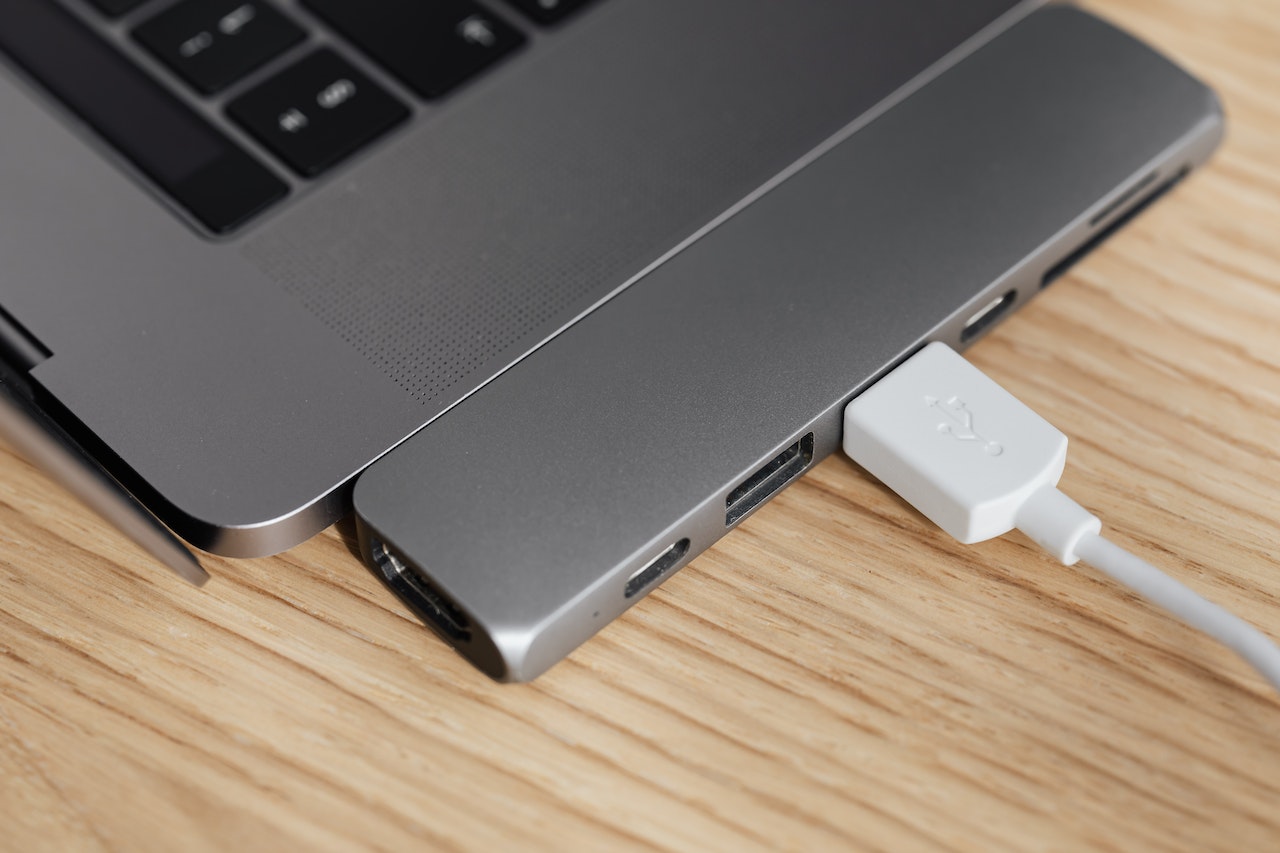
A docking station is a great accessory for anyone who needs to connect their Lenovo Yoga 7 15ITL5 to multiple peripherals. Docking stations typically come equipped with several USB ports, HDMI or VGA ports, and Ethernet jacks, making it easy to connect to external displays, keyboards, mice, and other accessories. One of the best docking stations for the Lenovo Yoga 7 15ITL5 is the Plugable UD-6950H. This docking station offers dual 4K displays, 6 USB 3.0 ports, and a Gigabit Ethernet port, all in a compact and sleek design.

  1. Battery

While the Lenovo Yoga 7 15ITL5 already has a long battery life, it’s always a good idea to have a backup battery on hand, especially if you travel frequently. The Lenovo 5B10W13895 Battery is a great option for those who want a reliable and long-lasting battery. It has a capacity of 70Wh and is designed to be compatible with the Lenovo Yoga 7 15ITL5, making it a perfect replacement or backup battery.

  1. AC Adapter

The Lenovo Yoga 7 15ITL5 comes with its own AC adapter, but if you want a backup or replacement, the Lenovo 65W AC Adapter is a great choice. It’s lightweight and portable, making it easy to carry with you wherever you go. Plus, it’s designed to be compatible with the Lenovo Yoga 7 15ITL5, so you can be sure that it will work perfectly with your laptop.

  1. External Monitors

If you want to expand your display and have a more immersive experience with your Lenovo Yoga 7 15ITL5, an external monitor is a must-have accessory. The Dell UltraSharp U2718Q is a great option for those who want a high-quality monitor with excellent color accuracy and 4K resolution. It also has a sleek and modern design that will complement your Lenovo Yoga 7 15ITL5 perfectly.

  1. Keyboard Covers

If you’re someone who is constantly typing on your Lenovo Yoga 7 15ITL5, a keyboard cover can help protect your keyboard from dust, spills, and other debris. One of the best keyboard covers for the Lenovo Yoga 7 15ITL5 is the CaseBuy Keyboard Cover. It’s made from high-quality silicone and is designed to fit perfectly over your keyboard, providing a protective barrier against spills and dirt.

The Lenovo Yoga 7 15ITL5 is an excellent laptop that can be made even better with the right accessories. Whether you’re looking for a docking station to connect to multiple peripherals, a backup battery to keep your laptop running all day, or an external monitor to expand your display, there are plenty of options available to upgrade your workstation. So go ahead and choose the accessories that best fit your needs and enjoy a more productive and immersive experience with your Lenovo Yoga 7 15ITL5.