
Posted on

Real-Life Testing: Which Laptop Brands Can Handle the Wear and Tear of Everyday Use?

Real-Life Testing: Which Laptop Brands Can Handle the Wear and Tear of Everyday Use?

When it comes to choosing a laptop, durability is an essential factor to consider. No matter how advanced a laptop’s features are, if it can’t withstand everyday wear and tear, it won’t be worth the investment. To help you make an informed decision, this article takes a practical approach to testing laptop durability, assessing which brands hold up best to everyday use and abuse.

Section 1: Methodology of Real-Life Testing

To test the durability of different laptop brands, we used a real-life testing approach. We selected laptops from different brands and used them in real-world scenarios to evaluate their performance, durability, battery life, and other criteria. Our testing criteria included everyday tasks such as web browsing, word processing, video streaming, and gaming.

Section 2: Results of Real-Life Testing

After testing the laptops, we analyzed the results to determine which brands held up best to everyday use. We compared the durability of different laptop brands and identified the best and worst performers. Here are the results of our real-life testing:

  • Lenovo: Lenovo laptops performed the best in our real-life testing, with their durable build and long battery life. They also had excellent performance, even with demanding applications.
  • HP: HP laptops also held up well in our testing, with good durability and battery life. However, they had slightly slower performance than Lenovo laptops.
  • Dell: Dell laptops performed well in our testing, with good durability and performance. However, their battery life was not as long as that of Lenovo and HP laptops.
  • Asus: Asus laptops had good performance in our testing but did not perform as well in durability and battery life. They were also slightly more prone to overheating than other laptop brands.
  • Acer: Acer laptops had the lowest durability in our testing and had a shorter battery life than other laptop brands. However, they had good performance, particularly in gaming.

Section 3: Tips for Maximizing Laptop Lifespan

In addition to testing laptop durability, we also offer tips for maximizing the lifespan of your device. These include:

  • Regular maintenance: Regularly clean your laptop, update software, and perform virus scans to ensure optimal performance.
  • Protect from wear and tear: Use a laptop case or sleeve to protect your device from scratches and other damage.
  • Proper ventilation: Use a cooling pad or ensure that your laptop has proper ventilation to prevent overheating.
  • Use the right accessories: Use high-quality chargers and other accessories to ensure compatibility and prevent damage to your laptop.

Choosing a durable laptop is essential for ensuring that your investment lasts for years to come. Based on our real-life testing, Lenovo laptops are the best option for those looking for a durable and long-lasting device. However, other brands such as HP and Dell also hold up well to everyday wear and tear. By following our tips for maximizing laptop lifespan, you can ensure that your device stays in top condition for years to come.
Posted on

How to Extend the Lifespan of Your AC Adapter: A Comprehensive Guide

How to Extend the Lifespan of Your AC Adapter: A Comprehensive Guide

Your AC adapter is a vital component of your laptop, providing the necessary power to keep it running. Unfortunately, AC adapters can be fragile and prone to damage, and replacing them can be costly. In this article, we’ll provide some tips on how to prolong the lifespan of your AC adapter and avoid the expense of having to replace it frequently.

Unplug Your Adapter When Not in Use
One of the simplest ways to extend the life of your AC adapter is to unplug it from the power source when it’s not in use. This will not only save energy but also prevent the adapter from being exposed to power surges or voltage fluctuations.

Properly Store Your Adapter
When you’re not using your AC adapter, it’s important to store it properly. Avoid wrapping the cord around the adapter, as this can cause the wires to become tangled and ultimately result in damage. Instead, neatly coil the cord and secure it with a rubber band or twist tie.

Keep Your Adapter Cool
AC adapters can generate a lot of heat when they’re in use. To prevent overheating and damage, make sure your adapter is in a well-ventilated area and avoid covering it with any materials that may obstruct airflow.

Check the Cord Regularly
The cord of your AC adapter is one of the most vulnerable parts of the device, and it can be easily damaged or frayed. To prevent this from happening, check the cord regularly for any signs of wear and tear, such as exposed wires or cracks in the outer coating. If you notice any damage, it’s important to replace your adapter immediately.

Avoid Pulling the Cord
Another common cause of damage to AC adapters is pulling on the cord to unplug it from the wall or laptop. To prevent this, always grip the adapter itself when unplugging it, and avoid yanking the cord.

Use the Right Adapter
It’s important to use the correct AC adapter for your laptop, as using the wrong one can damage your device and potentially cause a fire hazard. Make sure you check your laptop’s manual or specifications to ensure you’re using the right adapter.

Invest in a Surge Protector
A surge protector can help protect your AC adapter (and other electronics) from power surges, which can be caused by lightning strikes or other electrical issues. Consider investing in a surge protector to prevent any damage to your AC adapter or laptop.

By following these tips, you can help prolong the lifespan of your AC adapter and avoid the costly expense of having to replace it frequently. Keep in mind that if your AC adapter is showing signs of damage or wear and tear, it’s important to replace it as soon as possible to prevent any further damage to your laptop or potential safety hazards.

Posted on

Understanding Voltage and Amperage in Battery Charging

Understanding Voltage and Amperage in Battery Charging

In today’s world, we rely heavily on technology to keep us connected, informed, and productive. Whether it’s our laptops, smartphones, or other devices, they all have one thing in common – they need to be charged. While most of us have grown accustomed to plugging in our devices and waiting for them to charge, many of us don’t understand the science behind it.

At its most basic level, battery charging is the process of increasing the energy stored in a battery. This energy is stored in the form of chemical bonds between the battery’s electrodes and electrolyte. When we plug in our devices to charge, the battery’s voltage increases, which in turn increases the amount of energy stored.

So what exactly is voltage? Voltage, also known as electrical potential difference, is a measure of the energy that is stored in a battery. When a battery is charged, the voltage across its electrodes increases, and when it is discharging, the voltage decreases.

Along with voltage, amperage is also an important factor in battery charging. Amperage refers to the amount of current flowing through the battery at any given time. The more current that is flowing through the battery, the faster it will charge. However, too much current can cause the battery to overheat and potentially become damaged.

When it comes to charging our devices, it’s important to choose the right adapter and cable. The voltage and amperage requirements for each device are typically listed on the device’s specifications. Using an adapter that doesn’t provide the correct voltage or amperage can not only slow down the charging process, but it can also damage the battery over time.

At adapter-chargers.com, we understand the importance of proper battery charging. As a manufacturer representative and distributor of replacement laptop batteries and adapters, we are dedicated to providing high-quality products that are designed to keep your devices running smoothly. Whether you need a new adapter for your laptop or a replacement battery, we have you covered.

Understanding the science behind battery charging is important for ensuring that our devices are charging properly and efficiently. By choosing the right adapter and cable, we can help extend the life of our devices and keep them running smoothly for years to come.

Posted on

Travel with Ease: The Benefits of Universal Chargers

Travel with Ease: The Benefits of Universal Chargers

Traveling can be both an exciting and challenging experience, especially when it comes to staying powered up while on the move. Universal chargers offer a solution to this problem, transforming the way we travel and stay connected.

No longer must you pack multiple chargers and adapters for each device or worry about finding a compatible outlet in a foreign land. Universal chargers are designed to work with a vast array of devices, making it simple to stay connected and charged no matter where your travels take you.

In addition to their versatility, universal chargers are also compact and lightweight, a great option for those who are looking to minimize their luggage. They can also save you money in the long run, eliminating the need to purchase multiple chargers for each device.

One of the most significant advantages of universal chargers is the convenience they provide. With just one adapter, you can keep all of your devices powered up, eliminating the need to carry multiple chargers and adapters. This can make a significant difference, especially for those traveling with multiple devices or for extended trips.

Universal chargers also offer peace of mind with their safety and reliability. Many models come equipped with safety features such as over-voltage protection, short-circuit protection, and temperature control, making them a safe and dependable option for travelers.

To sum up, universal chargers are transforming the travel industry, offering a convenient and versatile solution for staying connected and charged on the go. For frequent travelers, investing in a universal charger can make a significant difference in making their trips more manageable and enjoyable. With a universal charger, you can stay connected and powered up, no matter where your adventures take you.

Posted on

Troubleshooting Common Issues with Terminal Adapters: A Guide to Maintaining Optimal Performance

Troubleshooting Common Issues with Terminal Adapters: A Guide to Maintaining Optimal Performance

Terminal adapters are a useful tool for connecting different types of cables and converting signals for various applications, including audio and video signals, data transfer, and power supply. However, like any technology, they can experience issues that can hinder their performance. In this article, we will provide readers with information on common issues that may arise when using terminal adapters and how to troubleshoot them. We will also provide tips for maintaining and cleaning terminal adapters to ensure optimal performance.

Issue #1: Poor Connection

One of the most common issues with terminal adapters is poor connection. This can be caused by loose cables, damaged ports, or incompatible devices. To troubleshoot poor connection, try the following:

  • Check all cables and ports for damage or debris and ensure they are properly connected.
  • Use a different cable or port to see if the issue persists.
  • Check the compatibility of the devices and adapters being used.

Issue #2: Signal Interference

Signal interference can be caused by electromagnetic interference (EMI) or radio frequency interference (RFI). This can result in poor signal quality or loss of signal altogether. To troubleshoot signal interference, try the following:

  • Move the devices and adapters away from potential sources of interference, such as other electronics or power sources.
  • Use shielded cables to reduce the impact of EMI and RFI.
  • Use a signal booster or amplifier to enhance the signal.

Issue #3: Incorrect Settings

Incorrect settings can cause issues with signal quality and compatibility. This can be caused by incorrect driver installation or incorrect settings in the software or hardware. To troubleshoot incorrect settings, try the following:

  • Check the device and adapter settings and ensure they are correctly configured.
  • Update drivers and firmware to the latest version.
  • Reset the adapter to its default settings.

Maintenance and Cleaning Tips

To ensure optimal performance, it is important to maintain and clean your terminal adapters regularly. Here are some tips:

  • Use compressed air to remove debris from the ports and cables.
  • Clean the connectors with a soft cloth and isopropyl alcohol.
  • Store the adapters in a clean and dry environment to prevent damage.


In conclusion, troubleshooting common issues with terminal adapters is crucial to ensure optimal performance and avoid unnecessary expenses. By following the tips and methods outlined in this article, you can easily troubleshoot and maintain your terminal adapters to ensure they perform at their best.

Posted on

The Future of In-Car Entertainment: Exploring Wireless CarPlay Adapters

The Future of In-Car Entertainment: Exploring Wireless CarPlay Adapters

As technology continues to evolve, the way we use our cars is also changing. In-car entertainment systems have come a long way since the days of cassette players and AM/FM radios. Today, drivers have access to a wide range of features and options, including wireless CarPlay adapters.

Wireless CarPlay adapters are devices that allow drivers to connect their iPhones to their cars without the need for a cable. This technology has become increasingly popular in recent years, and for good reason. With a wireless adapter, drivers can access their favorite music, podcasts, and other apps directly from their car’s dashboard.

One of the biggest advantages of wireless CarPlay adapters is the convenience they offer. With no cables to connect, drivers can simply get in their car and go. This is especially useful for people who frequently switch between different vehicles, as they can easily connect their phone to any car equipped with a wireless adapter.

In addition to being more convenient, wireless CarPlay adapters are also safer. With no cables to fumble with, drivers can keep their attention focused on the road. This reduces the risk of accidents caused by distracted driving, which is a growing concern in today’s society.

Another benefit of wireless CarPlay adapters is that they can be used to upgrade older cars that do not have built-in CarPlay support. This means that drivers can enjoy the benefits of CarPlay without having to buy a new car. This is a cost-effective solution that allows people to get more use out of their current vehicles.

As the demand for wireless CarPlay adapters continues to grow, we can expect to see even more advancements in this field. For example, manufacturers are currently working on integrating wireless charging capabilities into these devices, which will make them even more convenient to use.

In conclusion, wireless CarPlay adapters are a game-changer for in-car entertainment. They offer a level of convenience and safety that traditional cable-based systems simply cannot match. With the ongoing advancements in this field, we can look forward to an even more exciting future for in-car entertainment.

Posted on

Community Energy Storage: A New Frontier in the Transition to a Low-Carbon Energy System

Community Energy Storage: A New Frontier in the Transition to a Low-Carbon Energy System

As the world moves towards a more sustainable energy system, community energy storage has emerged as a promising solution to address the intermittency of renewable energy sources. Community energy storage systems, which are typically neighborhood-based battery systems, can store excess energy generated by solar panels, wind turbines, and other renewable energy sources, and distribute it to the grid or local communities when needed.

The benefits of community energy storage are numerous. First, it can help reduce the reliance on fossil fuel-based power plants, which are the leading contributors to greenhouse gas emissions. Second, it can provide a more stable and reliable energy supply to local communities, especially during peak demand periods. Third, it can help reduce the overall cost of energy for communities by reducing the need for expensive grid infrastructure upgrades.

Despite the potential benefits, the deployment of community energy storage systems has been slow due to various factors, including regulatory hurdles, lack of financing, and technical challenges. However, several successful pilot projects have shown that community energy storage is a viable solution for improving the resilience and sustainability of local energy systems.

One example of a successful community energy storage project is the Brooklyn Microgrid in New York, which utilizes a network of solar panels and batteries to provide power to a local community during grid outages. Another example is the 4R Energy Corporation in Japan, which has repurposed used electric vehicle batteries for community energy storage systems.

As more communities and businesses prioritize decarbonization and resilience in their energy systems, the demand for community energy storage is expected to grow. Governments and policymakers can support this transition by providing funding and regulatory frameworks to encourage the development of community energy storage systems.

Community energy storage has the potential to transform the way we generate, distribute, and consume energy, and is an exciting new frontier in the race to decarbonize our energy systems.

Posted on

The Importance of Using the Correct Tip Size for Laptop Chargers

The Importance of Using the Correct Tip Size for Laptop Chargers

As laptops have become an essential part of our daily lives, the need for laptop chargers has also grown significantly. While many of us often focus on the brand or the power output of the charger, we tend to overlook a critical component – the tip size. In this article, we’ll discuss the importance of using the correct tip size for laptop chargers and the risks associated with using the wrong size.

What is the Tip Size of a Laptop Charger?

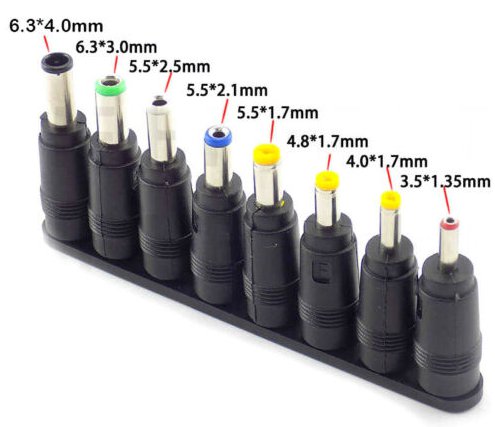
The tip size of a laptop charger refers to the physical dimensions of the plug that connects the charger to the laptop. There are various tip sizes available in the market, and they differ based on the laptop brand and model.

Why is the Correct Tip Size Important?

Using the incorrect tip size for your laptop charger can lead to several risks, both for your laptop and for your own safety. Here are some of the risks associated with using the wrong tip size:

  • Damage to Your Laptop: Using a charger with the wrong tip size can damage the charging port of your laptop, causing it to malfunction or fail altogether. This can result in costly repairs or the need to replace your laptop entirely.
  • Overheating: An ill-fitting charger can cause your laptop to overheat, which can lead to internal damage and potentially even a fire hazard.
  • Electrical Short Circuit: Using the wrong tip size can cause an electrical short circuit, which can damage your laptop and potentially lead to electrocution.

Tips for Ensuring the Correct Tip Size

To ensure that you are using the correct tip size for your laptop charger, follow these tips:

  • Check the User Manual: Your laptop user manual should have information on the correct tip size and other specifications for the charger. Make sure to read through it carefully.
  • Look for the Model Number: You can find the model number of your laptop charger on the label or tag attached to the charger cord. Cross-check it with the user manual to ensure the correct tip size.
  • Consult with the Manufacturer: If you’re unsure about the correct tip size, it’s best to consult with the laptop manufacturer or a trusted laptop repair specialist. They can provide you with the necessary information and help you find the right charger for your laptop.

Using the correct tip size for your laptop charger is essential for the proper functioning and longevity of your laptop. It’s important to ensure that you have the correct information on hand when selecting a charger for your laptop to avoid any damage or safety risks. Remember to always consult with the laptop manufacturer or a specialist if you have any doubts or questions.

Posted on

Understanding Laptop Battery Chargers: Types and Compatibility

Understanding Laptop Battery Chargers: Types and Compatibility

As laptops become more powerful and essential for everyday use, it is important to understand the different types of battery chargers available in the market. This article will discuss the various types of laptop battery chargers and their compatibility with different laptop brands and models.

AC Adapters

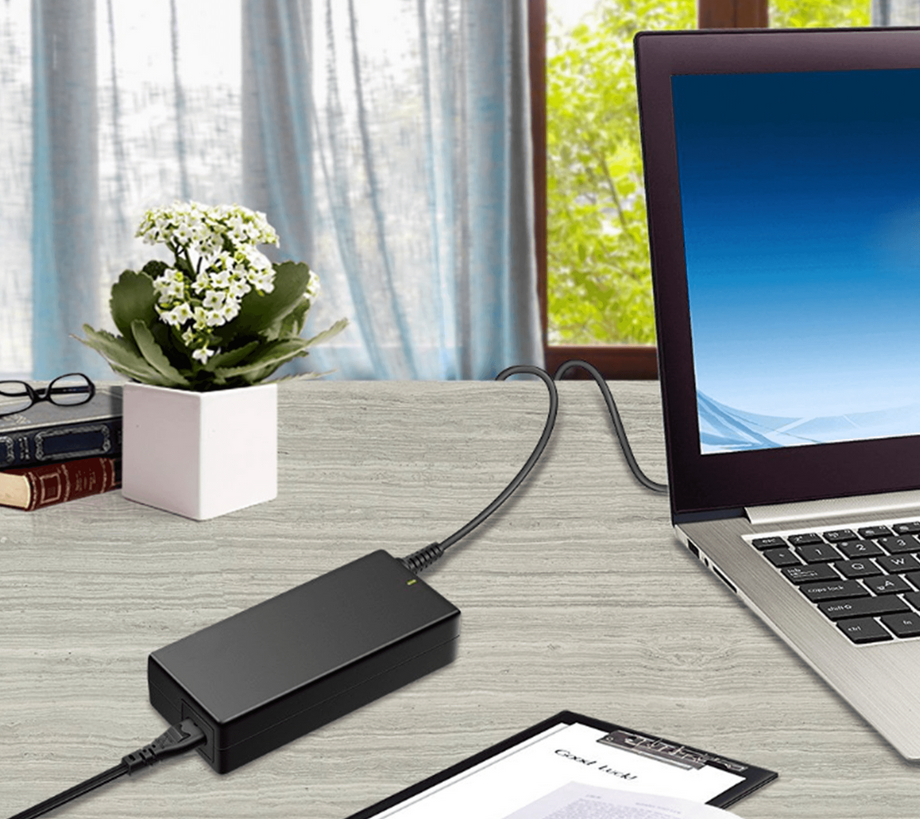
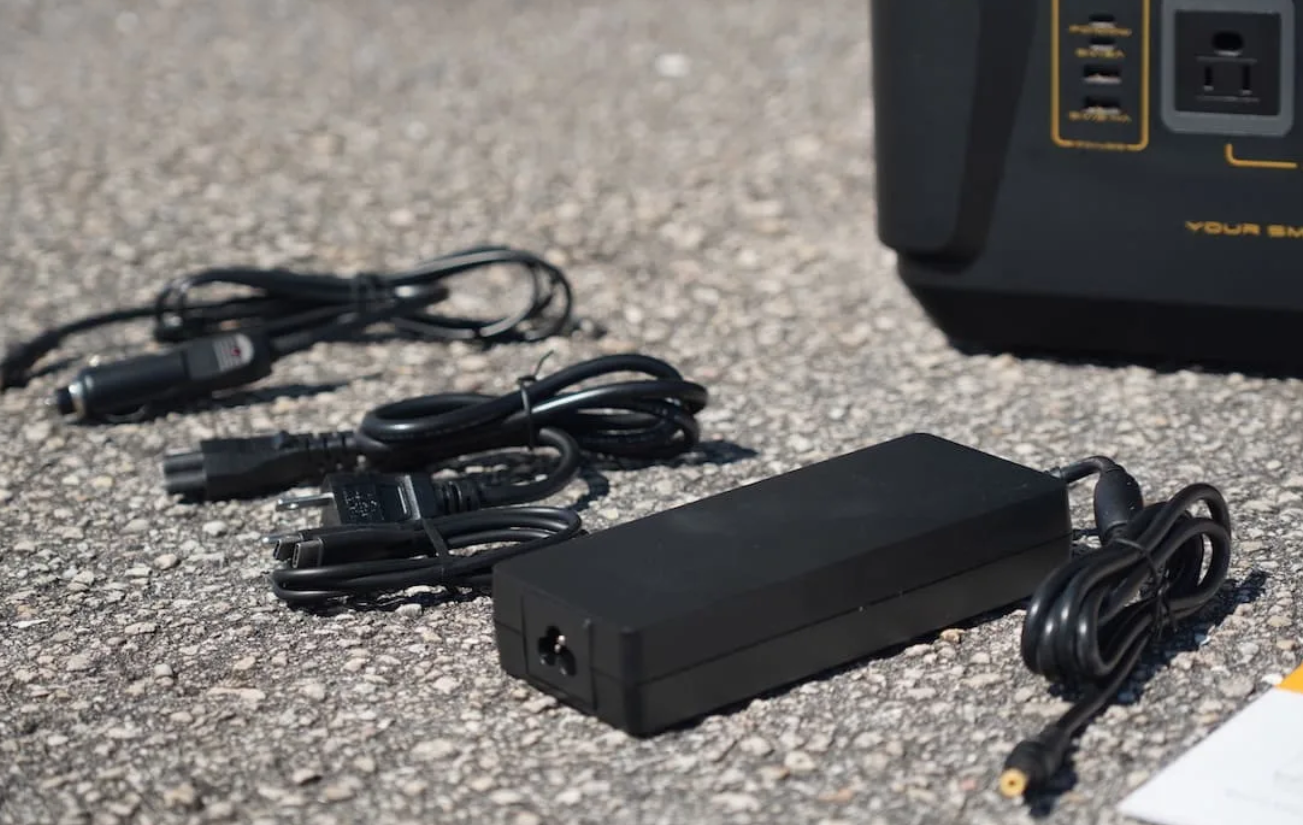
The most common type of laptop charger is the AC adapter, which connects to a wall outlet and charges the laptop’s battery through a cable that plugs into the laptop’s power port. AC adapters are typically provided by the laptop manufacturer and are specifically designed to work with the laptop model. It is important to ensure that the wattage of the AC adapter matches the requirements of the laptop.

Car Chargers

Car chargers are designed for use in vehicles and connect to the car’s cigarette lighter or accessory port. These chargers allow users to charge their laptops while on the go, making them ideal for business travelers and commuters. It is important to ensure that the car charger is compatible with the laptop brand and model.

Universal Chargers

Universal chargers are designed to be compatible with multiple laptop brands and models. These chargers come with a variety of tips that can be interchanged to fit different laptops. Universal chargers can be convenient for users who own multiple laptops or for those who frequently use their laptop on the go. It is important to ensure that the universal charger is compatible with the laptop’s voltage requirements.

Compatibility

It is important to ensure that the charger is compatible with the laptop’s voltage requirements. Using a charger with the wrong voltage can cause damage to the laptop’s battery or even cause a fire. It is also important to use chargers that are specifically designed for the laptop brand and model to ensure proper charging and prevent damage to the laptop’s battery.

Understanding the different types of laptop battery chargers and their compatibility with different laptop brands and models is essential for proper charging and preventing damage to the laptop’s battery. AC adapters, car chargers, and universal chargers are the most common types of laptop chargers available in the market. It is important to ensure that the charger is compatible with the laptop’s voltage requirements and is specifically designed for the laptop brand and model. By following these guidelines, users can ensure proper charging and extend the lifespan of their laptop’s battery.

Posted on

Troubleshooting Guide: Fixing Laptop Battery Not Charging Issues Caused by a Bad AC Adapter

Troubleshooting Guide: Fixing Laptop Battery Not Charging Issues Caused by a Bad AC Adapter

Are you facing issues with your laptop battery not charging? Don’t worry, this is a common problem faced by many laptop users. The culprit for this problem could be a bad AC adapter. In this article, we will discuss the steps to identify and fix laptop battery not charging issues caused by a bad AC adapter.

Step 1: Check the adapter connection
The first step is to ensure that the adapter is properly connected to your laptop. Check the adapter cable for any damages or wear and tear. Also, check if the adapter connector is properly inserted into the laptop charging port. If the connector is loose or damaged, it can cause charging issues.

Step 2: Check the adapter voltage
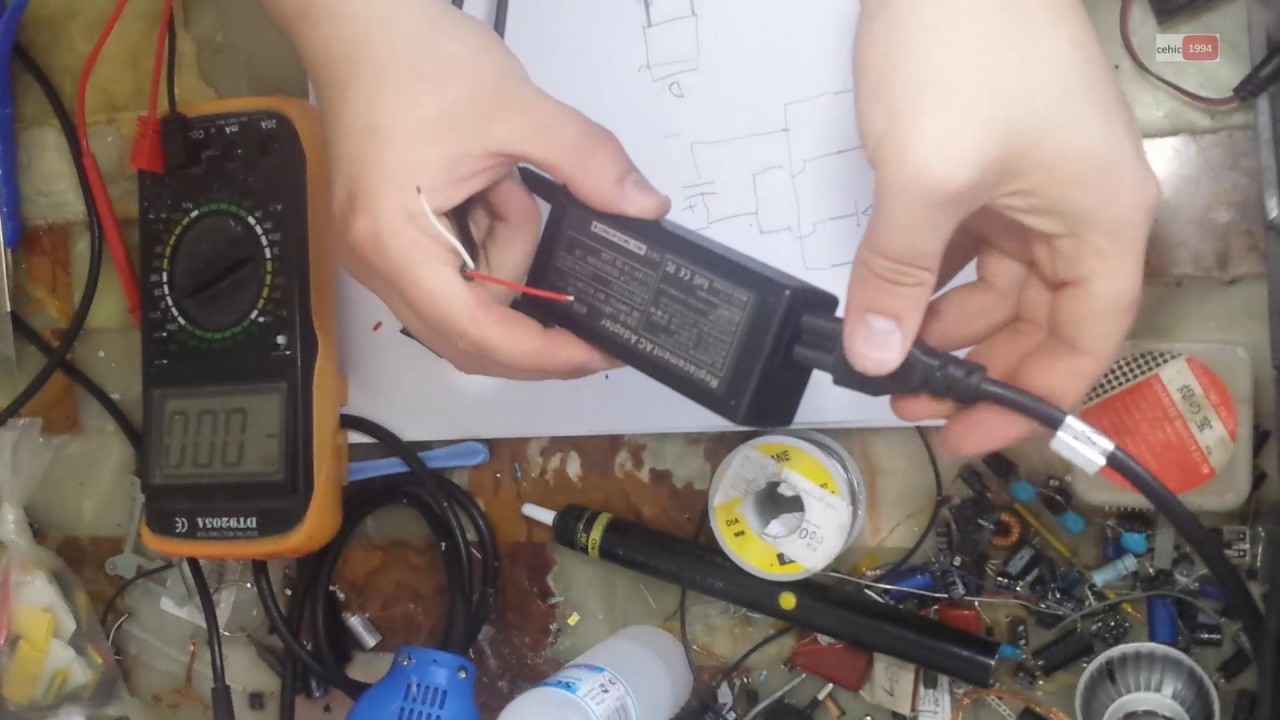
The next step is to check the voltage of the adapter. Most laptop adapters have a voltage output of 19V or 20V. You can check the voltage output of the adapter using a multimeter. If the voltage output is less than the required voltage, it can cause charging issues.

Step 3: Check the adapter for damages
Inspect the adapter for any physical damages such as cracks, dents, or exposed wires. Damages to the adapter can cause a short circuit and prevent the laptop from charging.

Step 4: Test the laptop battery
Remove the laptop battery and test it using a battery tester. If the battery is working fine, it could be a problem with the adapter.

Step 5: Replace the AC adapter
If the above steps do not solve the issue, the problem could be a faulty AC adapter. In this case, replace the adapter with a genuine and compatible adapter. Using a non-genuine adapter can cause damage to the laptop and battery.

Conclusion:
A bad AC adapter is one of the common causes of laptop battery not charging issues. By following the above steps, you can identify and fix the problem. It is important to use a genuine and compatible AC adapter to ensure the longevity of your laptop and battery.